Table of Contents
Are Metal Carports Strong Enough for Heavy Rain and Wind?
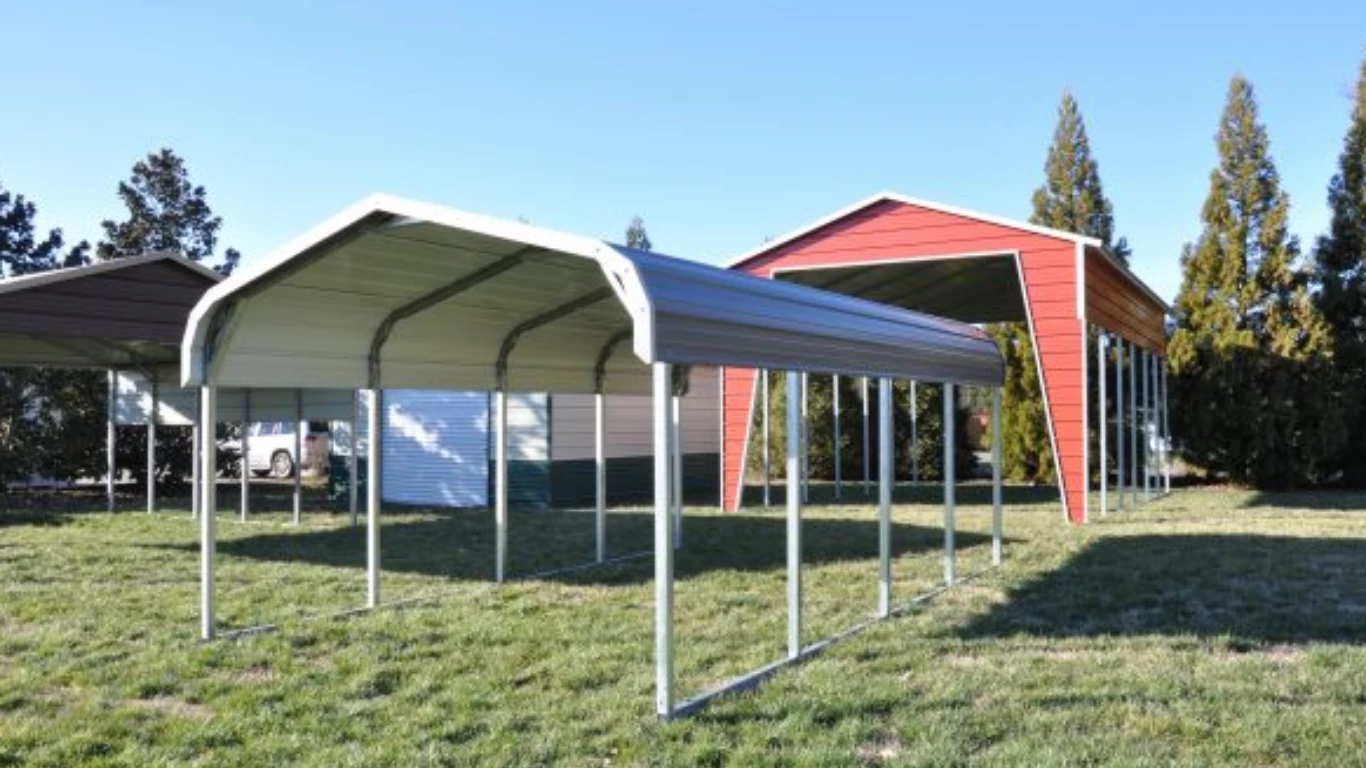
Yes, properly engineered metal carports are strong enough to withstand heavy rain, strong winds, and many severe weather conditions. Their performance depends on structural design, wind rating, anchoring, roof style, and installation quality.
Weather protection is one of the main reasons homeowners and businesses choose metal carports and RV covers. Understanding how these structures perform in challenging conditions helps ensure you select a carport capable of protecting vehicles, equipment, and other valuable assets for years to come.
Can Metal Carports Withstand Strong Winds or Storms?
Modern metal carports are designed to handle substantial wind loads when manufactured and installed according to engineering standards.
Structural Strength Matters
Steel is one of the strongest construction materials available for outdoor structures. Unlike wood, steel does not easily crack, split, or weaken due to moisture exposure.
A properly designed steel frame distributes wind forces across the entire structure, reducing stress on individual components.
Wind Resistance Depends on Design
Not all carports offer the same level of protection.
Important factors include:
- Frame gauge and thickness
- Roof design
- Support spacing
- Bracing systems
- Anchoring methods
The overall carport wind resistance improves significantly when these components are engineered to work together. Many modern tubular steel buildings incorporate these design principles to improve structural durability.
Open-Sided Advantages
Because many metal carports have open sides, wind can often pass through rather than pushing directly against enclosed walls. This reduces pressure buildup during storms.
However, open-sided structures still require proper engineering and installation to withstand strong gusts safely.
What Wind Rating Should a Metal Carport Have?
The ideal wind rating depends on your location and local building requirements.
Understanding Wind Ratings
A wind rating indicates the maximum wind speed a structure is designed to withstand under specific engineering standards.
Many residential metal carports are rated between:
- 90 mph and 120 mph for standard installations
- 140 mph and above for certified structures in high-wind areas
Regional Requirements Matter
Areas prone to severe thunderstorms, tropical storms, or hurricanes often require higher wind-rated structures.
Local building codes may specify minimum wind load requirements based on historical weather patterns.
For property owners considering weather-resistant carports in Monroe, NC, understanding local code requirements helps ensure the structure meets regional weather demands.
Certification Provides Confidence
Certified buildings undergo engineering review and testing to verify structural performance.
Choosing a certified structure can provide greater peace of mind when severe weather is a concern.
Are Metal Carports Safe During Hurricanes or Typhoons?
Metal carports can perform well during hurricanes and typhoons when specifically engineered for those conditions. However, no structure should be considered completely storm-proof.
Hurricane-Rated Structures
Some manufacturers offer hurricane-certified carports designed to withstand extreme wind loads.
These structures typically include:
- Heavier framing
- Additional bracing
- Enhanced anchoring systems
- Stronger roof attachments
The Importance of Installation
Even a hurricane-rated carport can fail if installation is poor.
Common issues include:
- Inadequate anchors
- Improper assembly
- Weak foundation attachment
- Missing structural components
Professional installation is essential when preparing for extreme weather events.
Flying Debris Remains a Risk
During hurricanes and typhoons, airborne debris can damage virtually any outdoor structure.
While steel framing may remain intact, roofing panels can still experience impacts from falling branches or wind-driven objects.
For maximum protection, property owners should combine a high wind-rated structure with regular storm preparation measures. Learning more about how metal carports are adapting to changing zoning and property needs can also help owners choose a structure suited to modern environmental challenges.
Do Metal Carports Need Anchoring for Stability?
Yes. Proper anchoring is one of the most important factors affecting the safety and durability of metal carports.
Why Anchoring Matters
Wind creates uplift forces that attempt to lift structures from the ground.
Without adequate anchoring, even a strong steel frame can shift, lean, or fail during severe weather.
Common Anchoring Methods
The correct anchoring system depends on site conditions and foundation type.
Concrete Anchors
Concrete slabs provide one of the strongest attachment methods. Anchors secure the frame directly to the slab for enhanced stability.
Ground Anchors
Ground anchors are commonly used when a concrete foundation is unavailable. These anchors extend deep into the soil to resist uplift forces.
Mobile Home Anchors
In certain installations, heavy-duty mobile home anchors may be used to improve holding strength.
Professional Assessment Is Valuable
Soil conditions vary significantly between locations.
A professional installer can determine the most effective anchoring system based on:
- Soil type
- Wind exposure
- Building size
- Local code requirements
Strong anchoring significantly improves overall carport wind resistance and long-term structural performance.
How Do Metal Carports Handle Heavy Rainfall?
Metal carports perform exceptionally well in rainy environments when designed with effective drainage systems.
Roof Design Plays a Key Role
The roof shape influences how efficiently water moves away from the structure.
Regular Roofs
These are economical but may not provide the same drainage efficiency as other roof styles.
Boxed-Eave Roofs
These offer improved appearance and moderate water-shedding performance.
Vertical Roofs
Vertical roofs are often considered the best option for handling heavy rainfall. Water flows directly off the panels and drains more efficiently.
Preventing Water Accumulation
Standing water increases stress on roofing materials and structural components.
Proper roof pitch helps prevent:
- Ponding water
- Premature corrosion
- Excessive weight loads
Gutters and Drainage Systems
Adding gutters and downspouts can further improve water management.
These systems direct runoff away from foundations, vehicles, and surrounding landscaping.
Many owners choose weather-resistant carports and RV covers in Monroe, NC because they provide reliable performance during periods of frequent rainfall.
Are Reinforced Carports Better for Extreme Weather?
Yes. Reinforced carports offer additional structural protection in regions exposed to severe weather conditions.
What Makes a Carport Reinforced?
Reinforced systems typically include stronger components throughout the structure.
Common upgrades include:
- Heavier steel tubing
- Additional braces
- Stronger roof framing
- Enhanced anchors
- Increased connection strength
Benefits During Severe Weather
These improvements help the structure resist:
- High winds
- Heavy rain
- Snow loads
- Structural movement
The result is greater durability and improved performance under demanding conditions.
Long-Term Value
Although reinforced models usually cost more initially, they can reduce repair expenses and provide greater confidence during storms.
For many property owners, the added investment is justified by improved reliability and protection.
Choosing the Right Level of Reinforcement
The best choice depends on local environmental conditions.
Factors to evaluate include:
- Historical wind speeds
- Rainfall intensity
- Storm frequency
- Site exposure
- Building code requirements
Consulting experienced professionals helps ensure the structure is appropriately designed for its intended location. Homeowners comparing coverage options may also benefit from reviewing the differences in a metal carport or garage before making a final decision.
Key Takeaways
Properly engineered metal carports provide excellent protection against heavy rain and strong winds. Structural design, wind ratings, anchoring, roof style, and reinforcement all influence performance. Strong carport wind resistance depends on quality materials and installation. For challenging climates, reinforced and certified structures often provide the highest level of weather protection.
Protect Your Property with Confidence
At Better Built Structures, we help customers choose durable, weather-ready solutions built for long-term performance.
Whether you need standard coverage or highly weather-resistant carports in Monroe, NC, we guide you through design, engineering, and installation options that match local conditions.
We focus on quality materials, proper anchoring, and dependable craftsmanship so your investment remains protected when severe weather arrives. Explore our full range of metal carports and RV covers to find a solution tailored to your property and weather conditions.