How Metal Carports Are Adapting to Changing Zoning and Property Needs
Metal carports used to be simple structures with one clear purpose: cover your vehicle. Today, they’ve become much more than that. As zoning rules tighten and property use becomes more intentional, metal carports are evolving to keep up. Homeowners want flexibility.
Business owners want compliance without sacrificing function. Local governments want consistency and safety. The result is a new generation of metal carports designed to adapt, blend in, and work within modern regulations.
Understanding how these structures are changing can help property owners make smarter, stress-free decisions before installing one.
How are metal carports designed to comply with modern zoning regulations?
Zoning regulations are more detailed than ever, and metal carport designs have adjusted to meet those expectations without losing practicality.
Modern compliance-focused design features include:
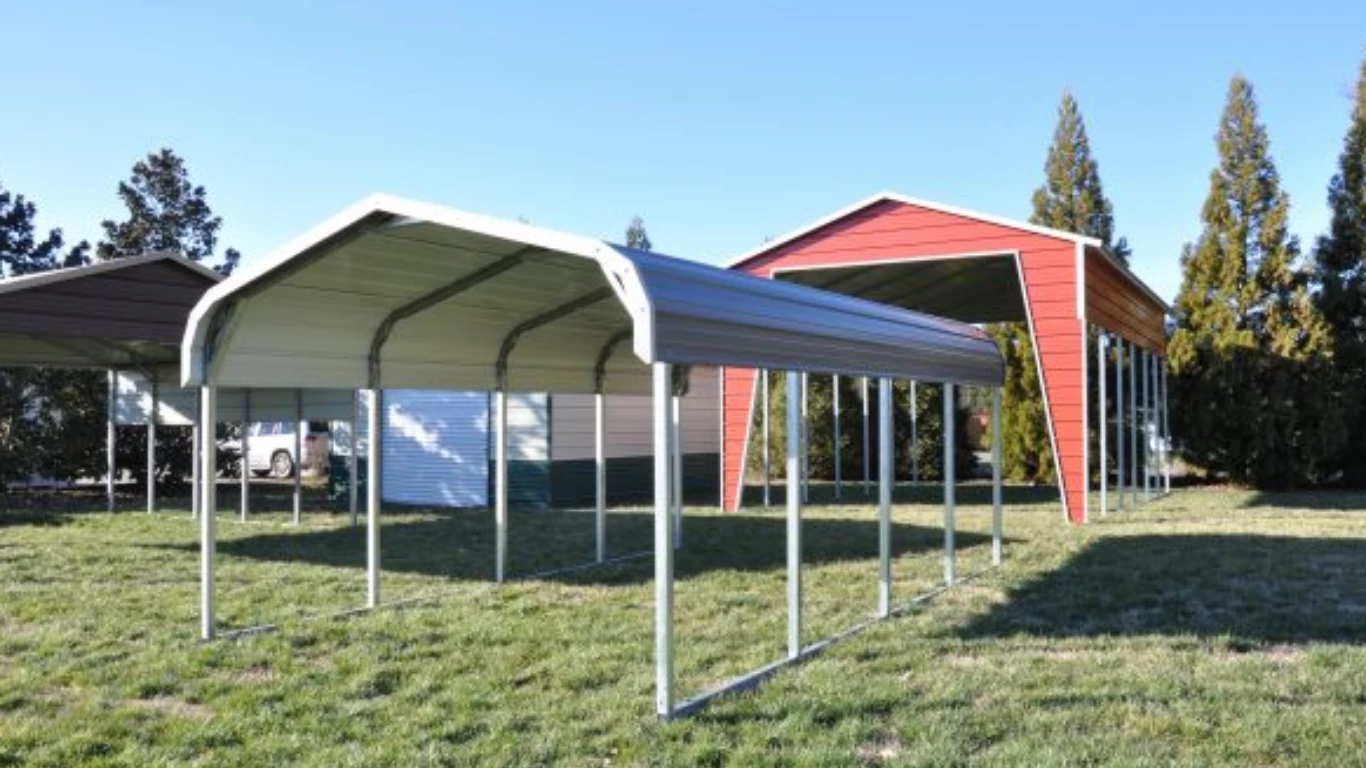
- Adjustable height and roof pitch options
- Open or partially enclosed configurations
- Neutral colors to match surrounding structures
- Anchoring systems that meet wind and snow codes
- Roof styles approved for residential neighborhoods
- Optional side panels for privacy without full enclosure
Many zoning ordinances regulate how tall a structure can be or how close it can sit to property lines. Manufacturers now offer modular designs that can be customized to stay within those limits. Roof pitch adjustments help carports meet both height restrictions and drainage requirements.
Materials also play a role. Metal carports are engineered to meet local building codes, including wind load and snow load ratings. This matters because zoning boards often require proof that a structure can safely withstand local weather conditions.
The biggest shift is intentional design. Instead of forcing a one-size-fits-all structure onto a property, today’s carports are planned with zoning approval in mind from the start. That saves time, reduces permit issues, and makes the entire process smoother for property owners.
What property requirements affect where metal carports can be installed?
Where you place a metal carport isn’t just about convenience. Property-specific rules can heavily influence placement.
Common property requirements include:
- Setback distances from property lines
- Easements for utilities or drainage
- Driveway and access alignment
- Lot coverage limits
- Proximity to existing structures
- Ground grading and drainage patterns
Setbacks are one of the biggest factors. Many properties require structures to sit a certain distance from roads, fences, or neighboring lots. Metal carports are now designed with flexible dimensions to fit within these boundaries.
Utility easements are another overlooked issue. You may own the land, but you can’t always build on it. Carports must avoid underground lines or drainage paths, which affects placement and orientation.
Lot coverage limits also matter, especially in residential areas. Zoning rules often restrict how much of your lot can be covered by structures. Compact carport designs and lean-to options help property owners stay compliant without giving up protection.
Understanding these requirements early prevents costly relocations or redesigns later. A well-placed carport works with your property, not against it.
How do zoning changes impact the size and placement of metal carports?
Zoning laws don’t stay the same forever. When they change, metal carports need to adapt quickly.
Zoning-driven impacts often include:
- Reduced maximum structure height
- Limits on overall square footage
- Restrictions on front-yard placement
- Requirements for shared driveways
- Visual screening or orientation rules
- Increased review or permit requirements
In many areas, front-yard structures face stricter scrutiny. This has pushed carports toward side-yard or rear placement. To compensate, designs now prioritize efficient layouts that maximize coverage without expanding the footprint.
Size limitations also encourage smarter use of space. Taller doesn’t always mean better. Lower-profile roofs and optimized column spacing allow vehicles and equipment to fit comfortably while staying within height limits.
Some zoning updates focus on neighborhood appearance. Carports may need to face a certain direction or include design elements that reduce visual impact. Modern metal carports now offer cleaner lines and customizable finishes that satisfy both functional and aesthetic requirements.
The key takeaway is flexibility. Structures that can be resized, repositioned, or modified are far easier to adapt when zoning rules shift unexpectedly.
Why are metal carports becoming more flexible for residential and commercial properties?
The demand for flexibility is coming from both homeowners and businesses, and metal carports are answering that call.
Reasons for increased flexibility include:
- Multi-use needs beyond vehicle storage
- Temporary or semi-permanent installations
- Expansion-friendly modular designs
- Changing property ownership or use
- Mixed residential-commercial zoning
- Faster approval and installation timelines
Homeowners use carports for more than cars. They shelter RVs, boats, workshops, and even outdoor gathering spaces. Commercial properties rely on them for fleet vehicles, equipment storage, and covered work areas.
Modular construction allows sections to be added or removed as needs change. That’s ideal for businesses that grow or properties that shift purpose over time. If zoning rules allow expansion later, the structure can grow with you.
Another advantage is speed. Metal carports install faster than traditional builds, which helps meet deadlines tied to permits or seasonal use. When flexibility meets compliance, everyone benefits.
Build Smarter, Not Harder with Better Built Structures
At Better Built Structures, we understand that zoning rules and property needs don’t stand still. That’s why we design metal carports that adapt, not complicate. We work closely with our customers to make sure each structure fits local regulations, property limitations, and real-world use.
Whether you’re protecting a single vehicle or planning for long-term growth, we’re here to help you build with confidence. Let’s create a carport that works today and still makes sense tomorrow.