How to Choose the Perfect Storage Building Size for Your Needs
Bigger isn’t always better when it comes to storage buildings. It’s easy to think you need as much space as possible, but the right size really depends on what you plan to store and how you’ll use it. From tools and lawn equipment to seasonal items, every property has different needs. Choosing the wrong size can leave you cramped or paying for space you don’t use. If you’re unsure where to start, don’t worry. Let’s break down how to figure out the perfect storage building size for your space and lifestyle.
How Do I Determine The Right Storage Shed Size For My Needs?
The best way to choose the right shed size is to start with a clear understanding of what you plan to store and how you’ll use the space. If you’re exploring different options, browsing the full Product Catalog can help you visualize what might work best.
Start With a Simple Inventory
Begin by listing everything you want to store:
- Lawn mower
- Garden tools
- Bikes
- Seasonal decorations
- Power equipment
Once you have your list, group items by size and frequency of use. This helps you avoid cramming everything into a tight space.
Think About Accessibility
Storage isn’t just about fitting items inside, it’s about being able to access them easily. You’ll want:
- Walking space inside the shed
- Room to move equipment in and out
- Space to organize shelves or racks
A common mistake is choosing a shed that technically fits everything but leaves no room to move.
Measure Before You Decide
Take measurements of your largest items, especially:
- Riding mowers
- ATVs
- Workbenches
Then add extra space around them. A good rule is to add at least 2 to 3 feet of clearance for movement and usability.
Consider Vertical Space
Don’t forget height. Taller sheds allow you to:
- Add shelving
- Hang tools on walls
- Store items overhead
This can make a smaller footprint feel much more spacious. You can also explore different layouts in this guide on Finding the Perfect Storage Solution: Types of Storage Buildings.
What Size Storage Building is Best For Tools, Lawn Equipment, or Vehicles?
The ideal size depends on what you’re storing. Different uses call for different dimensions.
For Basic Tools and Garden Supplies
If you’re storing hand tools, small equipment, and a few bins, a smaller shed works well:
- 6×8 or 8×10 sheds
- Great for compact yards
- Ideal for basic storage
- Easy to fit in tight spaces
A Utility Storage Shed is a great option for this type of setup.
For Lawn Equipment and Larger Tools
If you have a push mower, wheelbarrow, or multiple tools:
- 10×12 or 10×16 sheds
- Offers room for equipment plus storage
- Allows for shelving and organization
- Provides walking space
These sizes are commonly found among standard Storage Sheds.
For Riding Mowers, ATVs, or Small Vehicles
For larger equipment or vehicle storage, you’ll need more space:
- 12×20 or larger buildings
- Fits riding mowers, motorcycles, or ATVs
- Can double as a workshop
- Provides space for maintenance and storage
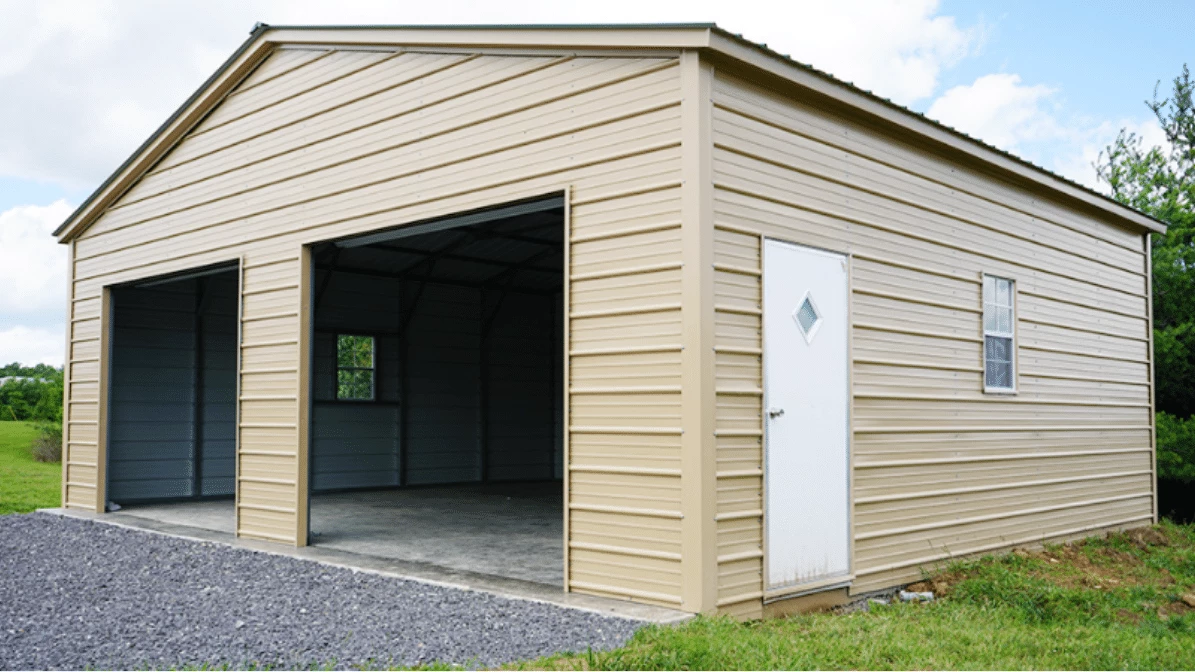
In some cases, homeowners also consider Garages and Shops for added durability and versatility.
For Multi-Purpose Use
If you want a combination of storage and workspace:
- 12×24 or bigger
- Allows for workbenches
- Keeps storage organized
- Ideal for hobbies or projects
The more you plan to use the space, the more important it is to size up appropriately. You can also get inspiration from Utility Building Uses Beyond Storage.
Is It Better to Go Bigger Than You Think You Need For a Shed?
In most cases, yes, going slightly bigger than you think you need is the smarter choice.
Why People Outgrow Their Sheds
It’s very common for homeowners to underestimate their storage needs. Over time, you may add:
- New tools or equipment
- Seasonal items
- Outdoor furniture
- Hobby supplies
A shed that felt “just right” can quickly become overcrowded.
The Cost Difference vs. Value
The price difference between sizes is often smaller than expected. For example:
- Upgrading from a 10×12 to a 10×16 shed may not significantly increase cost
- But it can dramatically improve usability
That extra space can save you from needing a second shed later. If you’re weighing your options, this guide on Tips and Considerations When It Comes to Buying Storage Buildings can help.
When Bigger Isn’t Always Better
There are a few situations where going bigger may not be ideal:
- Limited yard space
- HOA restrictions
- Budget constraints
In these cases, maximizing organization inside a smaller shed becomes key.
How Much Space Should I Allow For Future Storage Needs?
Planning for the future is one of the smartest moves you can make when choosing a storage building.
Think 2–5 Years Ahead
Ask yourself:
- Will I buy more equipment?
- Am I planning new hobbies?
- Will my storage needs increase with family growth?
Even small changes can impact your storage needs over time.
Add a Buffer Zone
A practical approach is to add 20% to 30% more space than your current needs. This gives you:
- Flexibility for new items
- Room for better organization
- Less clutter over time
Consider Lifestyle Changes
Your storage needs may evolve based on:
- Home improvement projects
- Gardening expansion
- Outdoor activities
If you anticipate these changes, it’s better to plan ahead now rather than upgrade later.
Organization Makes a Difference
Even with a larger shed, smart organization helps maximize space:
- Wall-mounted racks
- Overhead storage
- Shelving units
If you’re storing larger equipment or vehicles, you may also want to explore Carports and RV Covers for additional outdoor protection.
What are the Most Common Storage Building Sizes For Homeowners?
Understanding standard shed sizes can help you visualize what works best for your property.
Small Sheds (6×8 to 8×10)
Best for:
- Basic tool storage
- Small yards
- Minimal equipment
These are great starter options but can feel limited over time.
Medium Sheds (10×10 to 10×16)
Best for:
- Lawn equipment
- Bicycles
- Seasonal storage
These are among the most popular sizes because they balance space and affordability.
Large Sheds (12×16 to 12×24)
Best for:
- Riding mowers
- Workshops
- Multi-purpose use
These provide flexibility and room to grow.
Extra-Large Buildings (12×28 and up)
Best for:
- Vehicle storage
- Full workshops
- Home-based projects
These are ideal if you want your shed to function as more than just storage.
Choosing the Right Size for Your Property
When selecting a size, consider:
- Available yard space
- Local building codes or HOA rules
- Placement and accessibility
It’s not just about the building itself, but how it fits into your overall property layout. You can also explore regional solutions like Storage Buildings SC for location-specific options.
Final Thoughts
Choosing the right storage building size comes down to understanding your current needs, planning for the future, and making sure your space is both functional and accessible. While smaller sheds work for basic storage, most homeowners benefit from going slightly bigger to avoid outgrowing their space too quickly. From tools and lawn equipment to vehicles and workshops, the right size ensures everything has its place without feeling cramped. Adding extra room for movement, organization, and future items can make a huge difference in how useful your shed becomes over time.
Build Smarter Storage for Today and Tomorrow
Finding the right storage solution isn’t just about solving today’s problem. It’s about choosing something that continues to work as your needs change over time. Whether you’re looking for a simple space to organize your tools or planning a larger building for multiple uses, having the right guidance makes all the difference. A well-designed structure should offer flexibility, durability, and room to grow. With the right team by your side, you can feel confident that your investment for storage buildings in Monroe, NC will serve you now and well into the future. Reach out through the Monroe, NC Contact Page or explore more options on the Homepage.