
Table of Contents
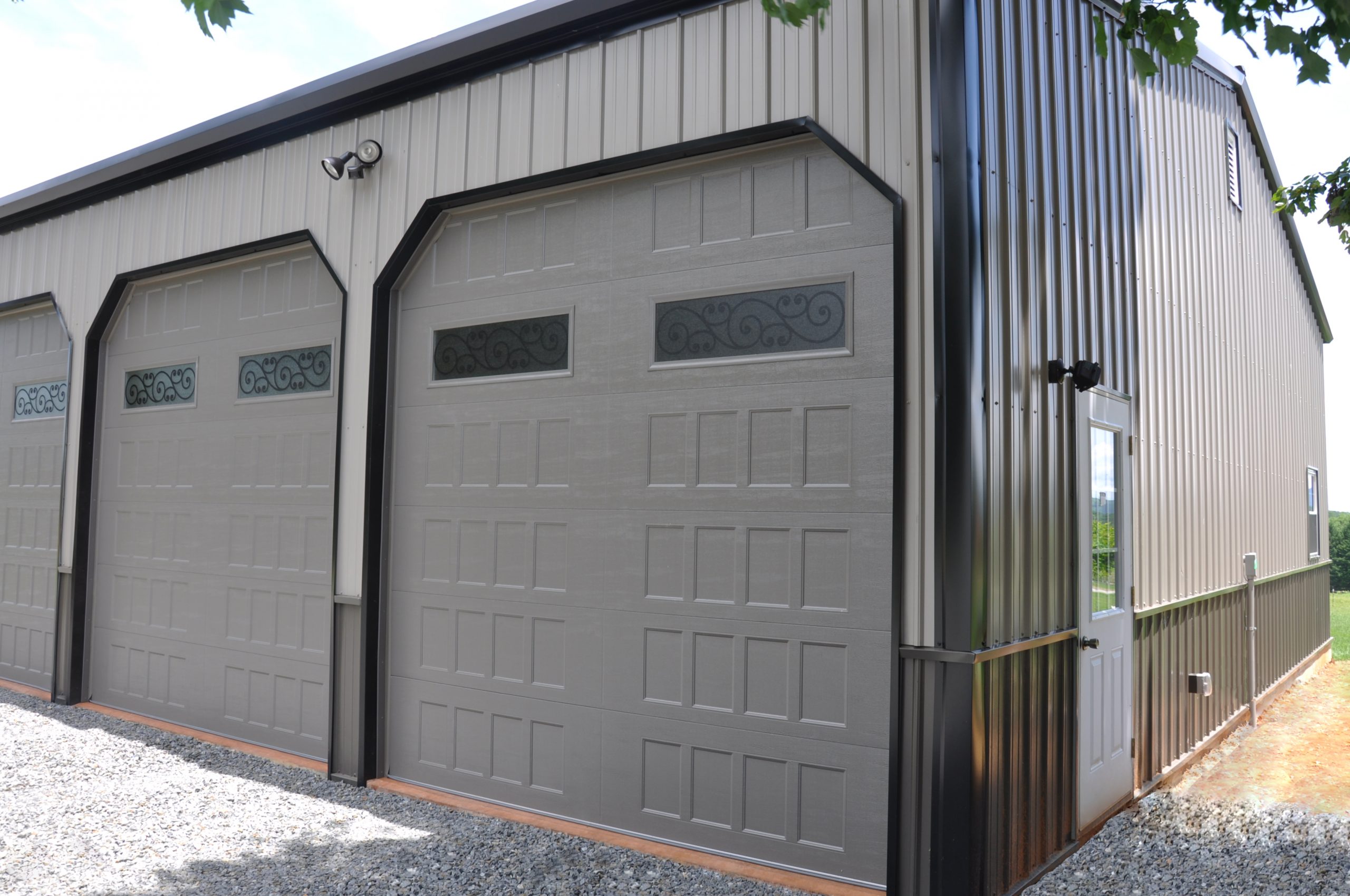
What Garage Door Opening Does a Pickup Truck Need?
A pickup truck needs a garage door opening wide and tall enough to accommodate its actual dimensions, including side mirrors, roof accessories, and aftermarket modifications. The correct metal garage door opening for a pickup truck depends on the vehicle’s overall width and height, not just the manufacturer’s standard body measurements. Allow additional clearance for steering adjustments and safe entry.
Before ordering a metal garage, measure the truck and compare its dimensions with the installed clear opening. Also consider interior parking depth, overhead door hardware, and the driveway approach. These details determine whether the truck can enter, park, and exit comfortably.
How Should You Measure Your Pickup Truck?
Measuring a pickup truck correctly involves identifying its widest, tallest, and longest points.
Manufacturer specifications provide a useful starting point, but the actual vehicle may differ because of trim levels, wheel configurations, aftermarket modifications, or installed equipment.
Measure the Truck’s Overall Width
Start by measuring the truck across its widest points.
Side mirrors are especially important because they often extend considerably beyond the vehicle’s body.
Record these measurements:
-
Body width: The distance across the vehicle, excluding mirrors.
-
Width with mirrors extended: The maximum width when mirrors are in their normal driving position.
-
Width with mirrors folded: The outside measurement when the mirrors are folded, if permitted.
-
Width with accessories: Any additional width created by towing mirrors, side equipment, or modifications.
For example, Chevrolet lists the 2026 Silverado 1500 at 97.5 inches wide, including mirrors.
A truck that measures 97.5 inches across would have approximately 10.5 inches of total clearance through a true 108-inch opening, assuming it is centered.
That leaves about 5.25 inches on either side.
Although the truck technically fits, the available margin may feel restrictive when entering at an angle.
A wider opening can provide more room for routine parking.
Measure the Maximum Vehicle Height
Measure from the ground to the truck’s highest fixed point while parked on level ground.
Include components such as roof racks, antennas, light bars, and camper shells.
A standard truck height listed by the manufacturer may not reflect modifications made after purchase.
For example, a truck measuring 80 inches tall would have only four inches of vertical clearance through a true seven-foot opening.
The same truck would have 16 inches of clearance through an eight-foot opening.
These examples assume the full advertised height remains unobstructed after door installation.
Record the Truck’s Overall Length
Measure from the frontmost point of the vehicle to its rearmost point, including any permanent accessories.
Extended bumpers, rear-mounted equipment, and towing accessories can increase the required parking depth.
Keep these measurements together when comparing metal garage buildings.
What Changes the Installed Clear Opening?
A garage door’s advertised dimensions do not always tell the complete story of how much usable space remains after installation.
The clear opening is the unobstructed space through which the truck can travel when the door is fully open.
This may differ from nominal door dimensions because of the surrounding frame, track configuration, weather seals, or door hardware.
Door Frames and Installation Details
Several components can affect the usable opening:
-
Side jambs and framing
-
Garage door guides or tracks
-
Thresholds and floor transitions
-
Weather seals
-
Door panels or bottom bars that remain within the opening
Before selecting a door, ask the supplier to confirm the finished clear width and height.
The answer should reflect the proposed door system, not merely the framed wall opening.
For an existing garage, measure the narrowest unobstructed width and the lowest overhead point along the vehicle’s path.
Roll-Up Doors and Sectional Doors
Metal garages commonly use roll-up or sectional garage doors.
A roll-up door generally coils above the opening, while a sectional door moves along tracks toward the ceiling.
Both systems require installation space.
Roll-up doors need sufficient headroom for the coil assembly, along with side clearance for guides and operating equipment.
Sectional doors require track space above and behind the opening.
These installation requirements are separate from the truck’s drive-through clearance.
A properly installed door may preserve the intended opening, but homeowners should confirm the actual clear height with the door fully raised.
The fact that a metal garage has a tall roof does not guarantee a tall usable entrance.
How Do Mirrors and Roof Accessories Affect Width and Height?
Mirrors and roof-mounted accessories often determine whether a pickup can pass safely through a garage door.
They should be measured before choosing the final opening dimensions.
Should You Measure With Mirrors Extended?
Yes. Measuring with the mirrors extended provides a realistic picture of the truck’s everyday operating width.
Some drivers fold their mirrors before entering narrow garages. However, relying on this every time can make parking inconvenient and reduce visibility.
The vehicle manufacturer’s instructions should determine whether and how the mirrors may be folded.
A garage opening that comfortably accommodates the truck with its mirrors in their normal position is generally more convenient.
Towing Mirrors Require Additional Attention
Towing mirrors can be substantially wider than standard mirrors.
For example, Ford’s published specifications for the 2024 F-150 list an overall width of approximately 95.7 inches with standard mirrors and 105.9 inches with certain trailer-tow mirrors extended.
That difference can significantly change the opening required.
A truck equipped with towing mirrors should be measured in the configuration used for regular parking.
Roof Racks, Lift Kits, and Camper Shells
Roof accessories affect pickup truck garage clearance because they increase the vehicle’s maximum height.
Common modifications include:
-
Suspension lift kits
-
Larger tires
-
Roof-mounted cargo racks
-
Light bars
-
Camper shells or truck caps
-
Roof-mounted equipment carriers
A lifted truck may require a taller door even when its original manufacturer specifications suggest that it would fit.
Homeowners should measure the completed vehicle rather than adding an estimated height increase to the factory specification.
How Much Interior Depth Is Needed After Parking?
The truck fitting through the garage opening is only the first requirement.
There must also be enough space inside for the vehicle to park without contacting the walls, stored equipment, or closed garage door.
Compare Garage Depth With Truck Length
Measure the distance from the inside of the closed garage door to the back wall, accounting for any obstructions.
Then compare that usable depth with the truck’s overall length.
For reference, Chevrolet lists overall lengths of approximately 211 to 242 inches across configurations of the 2026 Silverado 1500.
That range equals about 17 feet, 7 inches to 20 feet, 2 inches.
A garage that accommodates a shorter truck may be unsuitable for a longer crew-cab model with an extended bed.
Leave Room Behind the Pickup
Additional space behind the parked truck may be necessary for opening the tailgate, accessing the truck bed, or walking around the vehicle.
The exact amount depends on how the garage will be used.
If the tailgate must open while the truck is parked, measure how far it extends beyond the closed position.
A homeowner who only parks the vehicle overnight may have different clearance needs than someone who regularly unloads tools and supplies.
Consider Driver-Side Access
Interior width also matters after the truck has passed through the entrance.
A garage may have sufficient room for the truck’s body but limited space for opening the driver-side door.
Check the available clearance between the parked vehicle and nearby walls, shelves, or workbenches.
For homeowners in Monroe or Midland considering a metal garage as both a parking area and workshop, these measurements help prevent conflicts between vehicle access and equipment storage.
For additional planning considerations, review how to organize your metal garage for efficient storage.
How Do Approach Angles Affect Entry?
A truck may fit through the garage opening when perfectly aligned but still encounter problems when approaching from an angle.
The driveway’s direction, width, and slope can influence how easily the driver enters.
Straight Approaches Provide More Control
A direct driveway approach generally makes it easier to center the vehicle within the opening.
However, some properties require drivers to turn sharply before reaching the garage.
During a turn, the truck’s front and rear sections do not follow exactly the same path.
Its mirrors, bumpers, and corners may approach the door frame at different distances.
This is particularly relevant for long-wheelbase pickups.
Driveway Slopes Can Affect Clearance
A sloped driveway may change the truck’s orientation as it crosses the garage threshold.
Roof-mounted equipment or accessories could approach the header more closely during this transition.
Steep changes in pavement elevation can also create clearance problems beneath the vehicle.
Before finalizing the garage door height, consider how the truck will travel from the driveway into the building.
A clearance calculation based only on a truck parked on level ground may not account for every approach condition.
What Should a Metal-Garage Quote Specify?
A metal-garage quote should clearly identify the proposed garage door opening and how its dimensions relate to the truck being stored.
The goal is to avoid purchasing a building based on general dimensions that do not confirm practical vehicle access.
Confirm the Proposed Opening Width and Height
Ask for written confirmation of:
-
Nominal garage door width and height
-
Finished clear opening width
-
Finished clear opening height
-
Required headroom above the door
-
Required side clearance for the operating system
-
Location of tracks and other overhead hardware
-
Threshold and floor-transition details
Door specifications should come from the manufacturer or installer responsible for the selected system.
For metal garage buildings, the framing design and door configuration must be compatible.
A larger opening may require different structural arrangements, so the selected door should be reviewed as part of the complete building design.
Homeowners can also review what to consider before building a new garage when evaluating their overall garage plans.
Confirm the Door Type
Different door systems offer different operating arrangements.
A quote should identify whether the proposed garage includes a roll-up door, a sectional overhead door, or another approved configuration.
It should also describe whether the door is manually or electrically operated.
Do not assume that an opener or specialized hardware is included unless it appears in the written specifications.
Compare Your Vehicle Measurements
A simple comparison helps identify potential problems before ordering.
For example, consider a hypothetical pickup measuring 98 inches wide with its mirrors extended and 82 inches tall with accessories.
| Measurement | Example |
|---|---|
| Pickup width with mirrors | 98 inches |
| Pickup maximum height | 82 inches |
| Proposed clear opening width | 120 inches |
| Proposed clear opening height | 96 inches |
| Total horizontal clearance | 22 inches |
| Vertical clearance | 14 inches |
In this example, the truck would have approximately 11 inches of side clearance on each side when centered.
These figures illustrate the calculation only. They do not establish a minimum requirement for every pickup truck.
Turning conditions, door hardware, and vehicle modifications must still be evaluated.
Consider Future Vehicle Changes
A garage intended for long-term use should account for reasonable changes in vehicle needs.
A homeowner may eventually replace a midsize pickup with a larger model or add accessories that increase its height.
Selecting an opening with additional practical clearance can reduce the likelihood of future access problems.
At Better Built Storage Buildings Inc., we offer customizable metal garage and shop options, including different garage door configurations.
We encourage customers to bring their vehicle measurements when discussing available designs so the proposed opening can be evaluated against the equipment they intend to store.
FAQs
Does a Lifted Truck Need a Taller Garage Door?
Usually, a lifted truck requires more vertical clearance than its original factory configuration. Larger tires, suspension modifications, and roof accessories can increase overall height. Measure the modified truck on level ground and compare it with the finished clear opening before choosing a door.
Should Mirrors Be Folded to Enter a Garage?
Folding mirrors can reduce a pickup’s overall width when the manufacturer permits it. However, relying on folded mirrors for routine entry may reduce visibility and make parking less convenient. A wider opening that accommodates the mirrors in their normal position is generally preferable.
Does a Roll-Up Door Reduce Usable Headroom?
A roll-up door requires space above the opening for its coiled curtain and operating hardware. This installation headroom does not necessarily reduce the drive-through height, but the actual opening depends on the door’s design and installation. Confirm the clear height with the door fully open.
How Much Room Is Needed Behind a Parked Pickup?
The required clearance depends on whether the owner needs to open the tailgate, walk behind the vehicle, or access stored equipment. Measure the truck’s complete length and any space needed for normal activities. The garage must also allow the door to close without contacting the vehicle.
Is a 9-Foot-Wide Garage Door Enough for a Pickup?
A nine-foot clear opening may accommodate many standard pickups, but mirror width and approach conditions determine whether entry is comfortable. Trucks with extended towing mirrors may need a wider opening. Always compare the vehicle’s actual dimensions with the installed clearance.
Is an 8-Foot-Tall Garage Door Enough for a Pickup Truck?
An eight-foot clear opening can accommodate many unmodified pickups, but it is not suitable for every configuration. Lift kits, larger tires, roof racks, and camper shells may increase height. Measure the vehicle and account for driveway transitions before confirming the opening.
Discuss Pickup Truck Garage Clearance With Better Built
Choosing a metal garage starts with understanding how your vehicle will enter, park, and move within the building.
At Better Built Storage Buildings Inc., we offer metal garages and shops with customizable features. Customers visiting our Monroe and Midland, NC locations can discuss available building configurations and garage door options based on their intended use.
Before requesting a quote, record your pickup’s overall width, height, and length, including mirrors and installed accessories. Consider your driveway approach and the space needed around the parked vehicle.
Contact Better Built Storage Buildings Inc. to discuss metal garage options and confirm which door configurations are available for your pickup truck’s measurements.