
Table of Contents
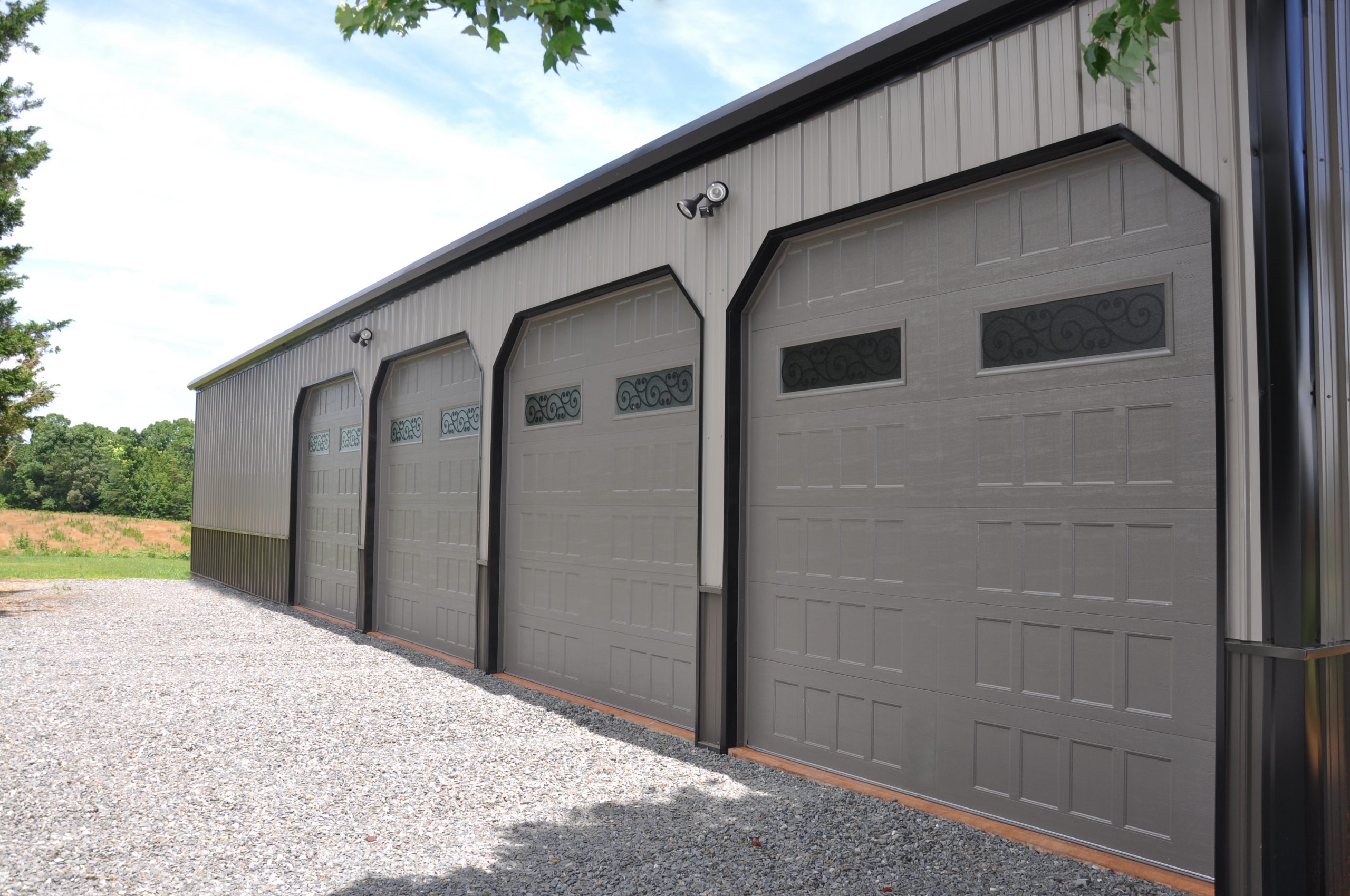
Metal Building vs Wood Structure: Which is Better for Long-Term Use?
Metal buildings are generally better for long-term use due to superior strength, lower maintenance, and resistance to environmental damage. When comparing metal vs wood construction, steel structures typically offer greater long-term building durability and lower lifetime costs.
Choosing between the two depends on your goals, environment, and budget. Understanding how each performs over time helps you make a practical, informed decision.
For property owners exploring durable steel solutions, tubular steel buildings provide a strong long-term option for residential, agricultural, and commercial use.
Which Lasts Longer: Metal Buildings or Wood Structures?
When it comes to longevity, metal buildings typically outperform wood structures.
Average Lifespan Comparison
- Steel buildings can last 40 to 70 years or more.
- Wood structures generally last 20 to 50 years depending on maintenance.
This difference highlights the advantage of long-term building durability.
Resistance to Natural Wear
Metal resists many common aging factors.
It is less affected by:
- Moisture absorption
- Warping
- Rot
Wood, on the other hand, is more vulnerable to these issues.
Structural Stability Over Time
Steel maintains its shape and strength.
Wood may:
- Expand and contract
- Develop cracks
- Lose structural integrity
This is a key difference in metal vs wood construction.
Are Metal Buildings More Durable Than Wood Over Time?
Yes, durability is one of the strongest advantages of metal buildings.
Strength Under Stress
Steel can handle:
- Heavy loads
- High winds
- Extreme weather conditions
Wood is more prone to structural stress.
Many homeowners are now turning to metal garages and shops because of their long-term durability and resistance to harsh weather.
Fire Resistance
Metal is non-combustible.
This provides:
- Increased safety
- Lower fire risk
- Potential insurance benefits
Wood is highly flammable.
Consistent Performance
Steel does not degrade as quickly.
It resists:
- Cracking
- Splitting
- Deformation
This contributes to long-term reliability.
What Are the Long-Term Maintenance Costs of Metal vs Wood Buildings?
Maintenance costs are a major factor in long-term value.
Metal Building Maintenance
Metal buildings require minimal upkeep.
Typical needs include:
- Occasional inspections
- Minor coating maintenance
- Basic cleaning
This keeps costs low over time.
Wood Structure Maintenance
Wood requires more frequent care.
This includes:
- Painting or sealing
- Rot prevention
- Structural repairs
These ongoing tasks increase expenses.
Cost Comparison Over Time
In metal vs wood construction, metal structures generally have:
- Lower lifetime maintenance costs
- Fewer repair needs
- More predictable expenses
This makes them a cost-efficient choice.
For homeowners comparing storage options, metal storage sheds are often preferred because they require less ongoing maintenance than traditional wood structures.
Do Metal Buildings Resist Pests and Weather Better Than Wood?
Yes, resistance to pests and weather is a key advantage.
Pest Resistance
Steel is not susceptible to pests.
This means:
- No termite damage
- No insect infestation
- No structural weakening from pests
Wood is highly vulnerable to termites and other insects.
Moisture and Weather Protection
Metal handles moisture better.
It:
- Does not absorb water
- Resists mold and mildew
- Maintains structural integrity
Wood can rot and weaken when exposed to moisture.
Storm and Wind Resistance
Metal buildings are designed to withstand extreme conditions.
They:
- Resist high winds
- Perform well in storms
- Maintain structural strength
This improves long-term building durability.
You can also explore how metal buildings are leading the charge in green construction while offering improved resilience and efficiency.
Is a Metal Building a Better Investment Than a Wood Structure?
In many cases, yes.
Lower Lifetime Costs
While initial costs may vary, metal buildings often save money over time.
They:
- Require less maintenance
- Last longer
- Reduce repair frequency
This improves return on investment.
Energy Efficiency Potential
Modern steel structures can be designed for efficiency.
With proper insulation, they:
- Maintain temperature control
- Reduce energy usage
- Improve comfort
This adds value over time.
Resale and Long-Term Value
Durable structures maintain value.
Buyers often prefer:
- Low-maintenance buildings
- Long-lasting materials
- Reliable performance
This supports investment strength in metal vs wood construction.
Property owners looking for flexible long-term solutions often choose metal buildings built on-site for improved customization and durability.
How Does Lifespan Compare Between Steel and Wood Buildings?
Lifespan is one of the most important considerations.
Steel Building Longevity
Steel structures are designed for long-term use.
They:
- Resist environmental damage
- Maintain strength over decades
- Require fewer replacements
This makes them ideal for long-term applications.
Wood Building Lifespan
Wood structures can last, but require consistent care.
Without maintenance, they may:
- Deteriorate faster
- Develop structural issues
- Require earlier replacement
This affects overall value.
Long-Term Performance Comparison
In terms of long-term building durability, steel consistently outperforms wood.
It offers:
- Greater lifespan
- Lower maintenance
- Better resistance to damage
Final Thoughts
Metal buildings provide a clear advantage for long-term use due to their strength, durability, and low maintenance requirements.
When comparing metal vs wood construction, steel structures consistently outperform wood in lifespan, resistance to pests and weather, and overall cost efficiency.
While wood structures may have lower upfront costs and aesthetic appeal, they require more maintenance and are more vulnerable to environmental factors.
Steel buildings offer superior long-term building durability, making them a practical investment for those seeking reliability and reduced long-term expenses.
Choosing the right material depends on your goals, but for longevity and performance, metal is often the better option.
Plan for Long-Term Performance With the Right Structure
Choosing the right building material is a decision that impacts performance, cost, and durability for years to come. Understanding the benefits of metal vs wood construction helps you make a choice that aligns with your long-term goals.
At Better Built Structure, we believe in long-term solutions that provide lasting value. Just like choosing durable materials for construction, making the right investment upfront leads to better results over time.
If you are planning a new structure or evaluating your options, focus on what delivers the best long-term building durability. The right decision today ensures strength, efficiency, and reliability for the future.