
Table of Contents
What Chicken Coop Features Make Cleaning and Egg Collection Easier?
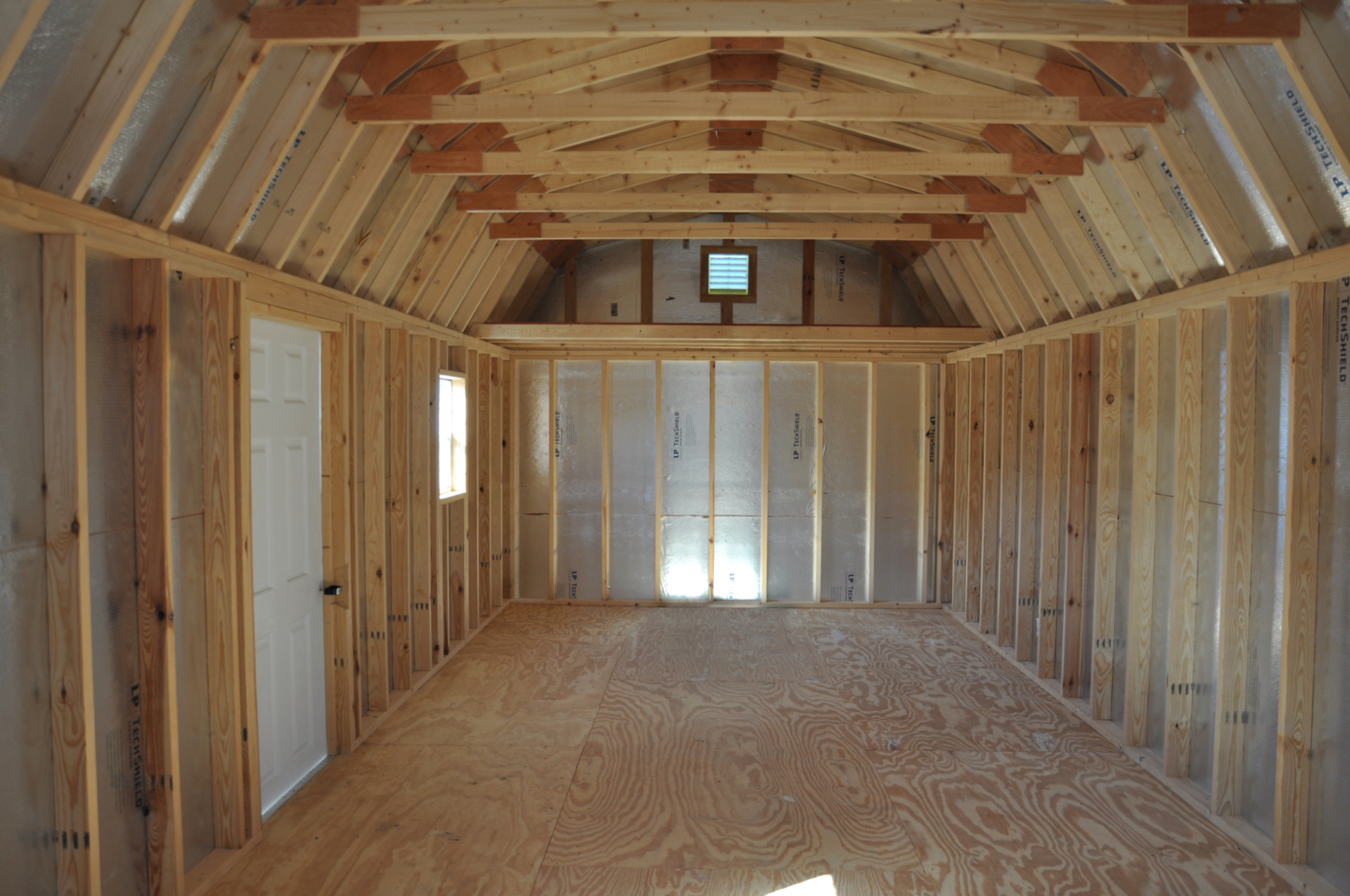
The best easy clean chicken coop features include a walk-in door, accessible nesting boxes, practical floor surfaces, and enough interior space to remove bedding without difficulty. A well-designed coop allows owners to collect eggs, inspect their chickens, and maintain the shelter without repeatedly reaching into narrow or obstructed areas.
When comparing chicken coop sheds, pay attention to how people move through the building and reach its most frequently used areas. Door placement, nesting-box access, ventilation, and secure closures can all affect daily maintenance. The right layout should make routine care manageable while providing chickens with appropriate space and protection.
How Does Door Placement Affect Cleaning?
Door placement determines how easily owners can reach the interior of a chicken coop, remove bedding, and inspect areas where waste collects.
A coop may appear spacious from the outside, but poorly positioned doors can make routine maintenance unnecessarily difficult.
Why a Walk-In Chicken Coop Is Easier to Maintain
A walk-in chicken coop allows an adult to enter the building rather than reaching through a small opening.
This makes it easier to inspect flooring, replace bedding, clean nesting areas, and check interior corners.
Walk-in access is particularly useful when the coop contains permanent roosting bars, nesting compartments, or feeders that restrict movement.
Instead of working through a narrow hatch, owners can approach different areas directly.
For example, a homeowner in Monroe, NC, who keeps chickens in a backyard coop may need to remove soiled bedding regularly.
A full-sized entrance makes it easier to carry appropriate cleaning equipment into the structure and remove waste without repeatedly bending through a small doorway.
However, a walk-in door does not automatically make the entire interior accessible.
The usable floor area, ceiling height, and arrangement of permanent fixtures still matter.
Door Width and Opening Direction
A door should provide sufficient space for the person entering and the equipment used during cleaning.
Consider whether a shovel, bedding container, or other cleaning tool can pass through the opening comfortably.
Outward-opening doors can be helpful because they do not occupy interior floor space when opened.
Oregon State University Extension specifically identifies outward-opening doors as a practical feature for reaching coop corners during cleaning.
The doorway should also allow owners to see and reach areas immediately beside the entrance.
Separate Human and Chicken Entrances
A coop with a dedicated chicken door and a separate human entrance can simplify daily routines.
The chicken door allows birds to access their designated outdoor area, while the larger entrance provides room for cleaning and maintenance.
At Better Built Storage Buildings Inc., our published chicken coop features include a single chicken door and a single wooden walk-in door.
When reviewing a model, consider how these entrances are positioned and whether they provide convenient access to the areas requiring regular maintenance.
Both entrances should have secure closures to help protect chickens from predators.
Which Nesting-Box Access Suits Egg Collection?
Accessible nesting boxes can make egg collection faster and reduce the amount of reaching, bending, or movement required inside the coop.
The ideal arrangement allows owners to reach the eggs comfortably while keeping the nesting area suitable for the birds.
Interior Nesting Boxes
Traditional interior nesting boxes are accessed from inside the chicken coop.
This arrangement can work well when the coop has a walk-in entrance and enough space to approach each compartment.
However, boxes positioned behind other fixtures or too close to the floor may be inconvenient.
Owners should check whether they can reach every nesting compartment without climbing over equipment or disturbing other areas of the coop.
Accessibility becomes especially important when collecting eggs frequently.
Exterior-Access Nesting Boxes
Some chicken coop designs allow eggs to be collected from outside through a hinged lid or access panel.
This arrangement can be convenient because owners do not need to enter the main coop for every collection.
However, the access system must close securely and protect the nesting compartments from weather and predators.
Exterior-access boxes should also be positioned at a comfortable working height.
Homeowners considering accessible nesting boxes should verify whether the selected model provides interior access, exterior access, or both.
Better Built lists easy-access nesting boxes among its standard chicken coop features, but the precise access arrangement should be confirmed for the chosen building.
Why Nesting-Box Placement Matters
The location of nesting boxes affects both maintenance and bird behavior.
Boxes should provide chickens with an appropriate place to lay eggs without encouraging them to sleep or deposit excessive waste inside the nesting compartments.
University of Maryland Extension explains that separating nesting areas from roosting locations helps reduce soiling.
The nesting arrangement should also allow owners to replace nesting material and inspect the compartments.
A box that is easy to reach for egg collection but difficult to clean may create unnecessary work.
What Floor Details Should Buyers Ask About?
Floor construction is one of the most important considerations when comparing chicken coop cleaning access.
The floor supports the birds, bedding, and equipment while receiving regular exposure to moisture and waste.
An accessible floor should allow owners to remove used bedding and inspect its surface without unnecessary difficulty.
Choose a Layout With Accessible Floor Space
The floor should remain reachable after nesting boxes, feeders, waterers, and roosting structures are installed.
A large coop can still be difficult to clean if permanent fixtures block important sections.
Pay particular attention to corners, areas beneath roosts, and spaces behind equipment.
These locations can collect waste and may require more frequent attention.
A practical layout provides a clear route between the entrance and the areas where bedding is removed.
Ask About Flooring Materials
Different chicken coop sheds may use different floor materials and protective finishes.
Buyers should ask how the proposed floor responds to routine cleaning and exposure to moisture.
Important questions include whether the surface can be inspected easily, whether gaps can trap debris, and what cleaning methods the manufacturer permits.
A smooth, properly finished surface may be easier to maintain than one with numerous exposed joints or hard-to-reach recesses.
However, material suitability depends on the complete floor system and the manufacturer’s specifications.
Do not assume that flooring advertised for an ordinary storage shed is automatically appropriate for poultry housing.
Floor Transitions and Thresholds
A raised threshold can affect how easily bedding is removed.
For example, a high doorway lip may make it difficult to move a container or cleaning equipment through the entrance.
Ask whether the floor meets the doorway in a way that supports practical maintenance.
If a drainage feature is included, verify how it works and whether the floor is approved for the intended cleaning method.
Penn State Extension recommends considering floor drainage and ease of cleaning when designing small poultry houses.
However, buyers should not assume every prefabricated coop is intended to be washed out with water.
The manufacturer’s cleaning instructions should guide maintenance.
How Do Ventilation and Bedding Affect Maintenance?
Ventilation and bedding conditions directly influence how frequently a coop requires attention.
Even a well-organized interior can become difficult to maintain when moisture accumulates or air circulation is inadequate.
Ventilation Helps Control Moisture
Chicken coops need fresh air to remove excess moisture, dust, carbon dioxide, and gases produced by decomposing waste.
University of Maryland Extension identifies ventilation as an important part of maintaining a healthy poultry environment.
Without sufficient airflow, moisture can accumulate on interior surfaces and contribute to undesirable conditions.
However, ventilation should not create strong drafts directly across the birds.
Properly designed openings should also prevent predator entry.
When inspecting a coop, consider the location of vents or windows and whether the design allows practical ventilation under different weather conditions.
Bedding Must Be Easy to Remove
Bedding helps absorb moisture and provides a surface for chickens to move and rest.
However, it must be maintained to prevent excessive dampness and waste accumulation.
The design should allow owners to reach bedding throughout the coop, including beneath roosting areas.
For example, a walk-in chicken coop with a relatively open interior may make it easier to collect used bedding than a compact structure with several inaccessible compartments.
The type and depth of bedding should follow appropriate poultry-management guidance rather than being selected only for cleaning convenience.
Keep Feeders and Waterers Accessible
Feeders and waterers are necessary parts of the coop environment, but their positioning can affect maintenance.
Equipment placed directly in a narrow walkway may obstruct access to nesting boxes or floor areas.
Water spills can also contribute to damp bedding.
Owners should consider whether equipment can be removed, checked, and cleaned without disturbing the entire coop.
The goal is to maintain convenient daily access while preserving adequate usable space for the chickens.
What Should You Inspect on a Display Coop?
A display coop provides an opportunity to evaluate maintenance features before ordering.
Instead of examining only its exterior appearance, imagine completing a normal egg-collection and cleaning routine.
Walk Through the Cleaning Route
If the display model is accessible, begin at the human entrance.
Check whether you can move comfortably through the available space and reach the areas that would require cleaning.
Inspect the location of nesting boxes, roosting bars, and other permanent features.
Consider whether these components leave enough space to remove used bedding.
For homeowners visiting a Better Built location in Monroe or Midland, this type of walkthrough can help clarify whether the selected layout suits their routine.
Test Nesting-Box Accessibility
Ask to see how the nesting boxes are accessed.
Consider whether every compartment can be reached comfortably.
If the model includes exterior-access panels, ask how they open and close.
Inspect whether the access arrangement allows nesting material to be replaced without difficulty.
Also confirm that the closures are designed to remain secure when the coop is unattended.
Check Doors and Hardware
Open and close the accessible doors where permitted.
Check the movement of hinges, the location of handles, and whether latches can be operated conveniently.
A door should close securely without leaving obvious gaps that could allow predators to enter.
Do not overlook smaller access panels.
A conveniently placed opening offers limited value if it cannot be secured properly.
Inspect Corners and Interior Surfaces
Look closely at the spaces behind fixtures and along the floor edges.
These areas reveal whether the structure has practical access for cleaning.
Ask how interior materials should be maintained and whether any components can be removed for access.
A display model may not include every configuration available for purchase, so confirm which features apply to the exact building being quoted.
Which Questions Belong in the Final Order?
Before purchasing a coop, obtain clear answers about the features that affect daily cleaning and egg collection.
A written order should identify the selected layout and confirm which components are included.
Questions Worth Confirming
-
Does the coop include a full-sized walk-in door and a separate chicken entrance?
-
Are the nesting boxes accessed from inside, outside, or both?
-
Can adults comfortably reach the entire usable floor area?
-
What flooring materials and finishes are included?
-
Are roosting structures or other fixtures removable for cleaning?
-
What ventilation openings are included, and how are they protected?
-
Which access panels have secure, predator-resistant closures?
-
What cleaning and maintenance methods does the manufacturer recommend?
These questions help distinguish a practical maintenance layout from one that looks convenient but contains hard-to-reach areas.
Balance Convenience With the Chickens’ Needs
Easy cleaning should never come at the expense of appropriate poultry housing.
The selected coop must still provide suitable interior space, ventilation, nesting areas, roosting arrangements, and protection from weather and predators.
An oversized doorway is not useful if it compromises the structure or reduces necessary space.
Likewise, placing every feature near the entrance may make maintenance easier for people while creating an unsuitable arrangement for the birds.
University poultry-extension resources emphasize that accessible maintenance, appropriate housing, and ventilation should be considered together.
At Better Built Storage Buildings Inc., we offer customizable chicken coops with features intended to support practical backyard poultry care.
Before finalizing an order, we encourage buyers to confirm the specific door arrangements, nesting-box access, flooring details, and available configurations.
FAQs
Are Walk-In Coops Easier to Clean?
Yes. Walk-in coops generally make cleaning easier because adults can enter the structure and reach more of the interior. However, convenience also depends on the doorway width, usable floor space, ceiling height, and placement of nesting boxes and roosting structures.
Can Nesting Boxes Be Accessed From Outside?
Yes. Some coops feature exterior-access nesting boxes that allow eggs to be collected without entering the main structure. However, this arrangement is not standard on every model. Buyers should confirm the opening mechanism, weather protection, and security of the selected nesting-box design.
What Makes Bedding Removal Easier?
A full-sized doorway, accessible floor areas, limited interior obstructions, and suitable floor surfaces can make bedding removal easier. The design should allow owners to reach corners and areas beneath roosts. Bedding management must still follow appropriate poultry-care practices.
How Should You Compare Coop Cleaning Access?
Compare the complete route from the entrance to nesting boxes, roosts, and floor areas. Check whether cleaning tools can fit through the doorway and whether fixtures obstruct access. Inspect the actual model or review detailed interior drawings before choosing a configuration.
Do Chicken Coops Need Ventilation?
Yes. Proper ventilation helps remove moisture, stale air, and gases associated with poultry waste. Openings should allow air exchange without exposing birds to excessive drafts or creating predator access points. Ventilation requirements depend on the coop’s complete design and occupancy.
Can Easy-Access Nesting Boxes Reduce Cleaning Time?
Accessible nesting boxes can make egg collection and replacing nesting material more convenient. However, they do not eliminate the need to inspect and clean the compartments. Their effectiveness depends on placement, construction, and whether the owner can comfortably reach every box.
Choose a Chicken Coop Designed for Everyday Care
A practical chicken coop should make regular maintenance manageable while providing a suitable environment for the birds.
At Better Built Storage Buildings Inc., we offer custom-built chicken coops with features such as wooden walk-in doors, separate chicken entrances, and easy-access nesting boxes. These features provide a useful starting point when comparing layouts for daily care.
Customers visiting our Monroe or Midland, NC locations can discuss available coop configurations and the details that matter most for their backyard setup.
Before choosing a model, consider how you will collect eggs, remove bedding, inspect interior surfaces, and secure the building each day.
Contact Better Built Storage Buildings Inc. to explore available chicken coop options and discuss a layout that supports your regular cleaning and egg-collection routine.