Table of Contents
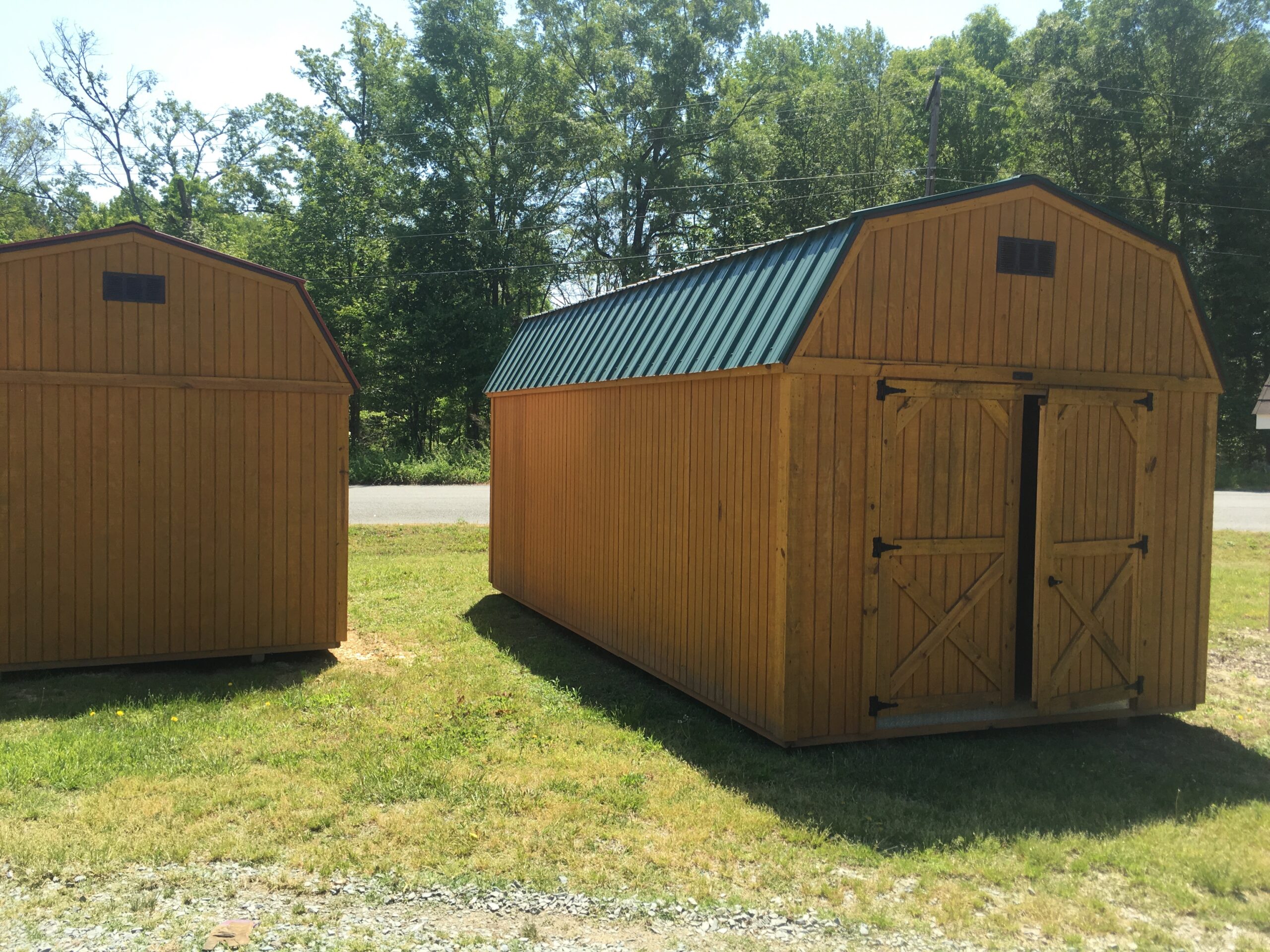
Do Storage Sheds Need a Foundation? What You Should Know
Most storage sheds should have a foundation to ensure stability, proper drainage, and long-term durability. While some small sheds can sit on simple bases, a properly prepared foundation helps prevent structural damage, moisture issues, and premature deterioration.
The right foundation protects your investment and improves the overall performance of the shed. Understanding the available options helps property owners make informed decisions before beginning a storage shed installation project.
Do All Storage Sheds Require A Foundation?
Not every shed requires the same type of foundation, but nearly all storage sheds benefit from having some form of properly prepared base.
Why Foundations Matter
A foundation provides a stable and level surface that supports the weight of the structure and its contents.
Without adequate support, sheds may experience:
- Uneven settling
- Floor damage
- Water intrusion
- Structural stress
- Door and window misalignment
These issues often become more serious over time.
Size Influences Foundation Needs
Smaller utility sheds may perform adequately on compacted gravel or simple foundation systems.
Larger storage buildings typically require stronger support because they carry greater loads and are more susceptible to movement caused by soil conditions.
Local Conditions Play a Role
Climate, drainage, soil composition, and building codes all influence shed foundation requirements.
Property owners should consider site-specific factors before selecting a foundation type.
Foundation Requirements Vary
Manufacturers often provide recommendations based on shed size, materials, and intended use.
Following those recommendations helps protect warranty coverage and ensures long-term structural performance.
What Is the Best Foundation for a Storage Shed?
The best foundation depends on the shed size, intended use, budget, and site conditions.
Gravel Foundations
Gravel is one of the most common choices for residential sheds.
Benefits include:
- Excellent drainage
- Lower cost
- Simple installation
- Reduced moisture accumulation
A properly compacted gravel foundation can support many storage sheds effectively.
Concrete Slab Foundations
Concrete provides a highly durable and stable base.
Advantages include:
- Long service life
- Strong load-bearing capacity
- Minimal movement
- Clean finished appearance
Concrete is often preferred for larger sheds or structures that will store heavy equipment.
Concrete Blocks and Piers
Block and pier foundations elevate the shed above ground level.
These systems help improve airflow beneath the structure while reducing direct ground contact.
Choosing the Right Solution
The ideal base for storage shed in Monroe, NC depends on drainage conditions, property layout, shed size, and long-term usage expectations.
Professional guidance can help determine which option delivers the best combination of performance and value. For additional planning information, see this guide on shed foundations.
Can I Place a Shed Directly on the Ground?
Technically, some small sheds can be placed directly on the ground. However, this approach is generally not recommended for long-term durability.
Immediate Challenges
Bare ground creates several risks for storage sheds.
Common concerns include:
- Moisture exposure
- Uneven settling
- Soil movement
- Poor drainage
- Accelerated floor deterioration
These conditions can shorten the lifespan of the structure.
Ground Contact Increases Moisture Problems
When a shed sits directly on soil, moisture can migrate into flooring materials and structural components.
This increases the likelihood of:
- Rot
- Mold growth
- Corrosion
- Material degradation
Seasonal Changes Affect Stability
Soil expands and contracts as moisture levels fluctuate.
Over time, this movement can cause the shed to shift, lean, or become uneven.
Better Alternatives Exist
Even a simple gravel foundation typically performs much better than placing a shed directly on exposed soil.
Most professionals recommend some type of prepared foundation to support successful storage shed installation and long-term performance.
How Does a Foundation Improve Shed Durability?
A proper foundation contributes directly to the lifespan and structural integrity of a storage shed.
Prevents Structural Movement
A level base distributes weight evenly across the structure.
This helps prevent:
- Twisting
- Warping
- Sagging floors
- Framing stress
The result is a more stable building that maintains its shape over time.
Improves Moisture Control
One of the most important benefits of a foundation is moisture management.
Proper drainage reduces water accumulation around and beneath the shed.
This helps protect:
- Flooring
- Wall framing
- Fasteners
- Exterior materials
Supports Heavier Loads
Storage sheds often hold equipment, tools, lawn machinery, seasonal decorations, and household items.
A properly engineered foundation ensures the structure can safely support these loads without excessive settling.
Extends Useful Life
Meeting recommended shed foundation requirements can significantly increase the longevity of the structure.
A stable, dry foundation reduces many of the issues that commonly lead to expensive repairs.
What Happens If a Shed Has No Proper Base?
A shed without a proper base may function initially, but problems often develop as environmental conditions change.
Uneven Settling
Soft or unstable soil can shift under the shed’s weight.
This movement may cause:
- Sloping floors
- Door sticking
- Window alignment problems
- Structural distortion
Water Damage Risks
Without elevation or drainage, water can collect beneath the structure.
Prolonged moisture exposure can damage:
- Wood flooring
- Structural framing
- Fasteners
- Stored belongings
Reduced Structural Lifespan
Continual exposure to moisture and soil movement places additional stress on the shed.
Over time, these factors can accelerate wear and shorten the building’s service life.
Increased Maintenance Costs
Correcting foundation-related issues after installation is often more expensive than preparing the site properly from the beginning.
Investing in a suitable foundation helps avoid unnecessary repair expenses.
Are Concrete Slabs Better Than Gravel Foundations?
Both concrete and gravel foundations offer advantages. The best choice depends on the specific project requirements.
Benefits of Concrete Slabs
Concrete provides exceptional strength and stability.
Advantages include:
- High load capacity
- Long lifespan
- Minimal settling
- Strong anchoring capability
Concrete is often ideal for larger sheds or structures housing heavy equipment.
Benefits of Gravel Foundations
Gravel remains one of the most practical options for many residential sheds.
Advantages include:
- Excellent drainage
- Lower installation costs
- Easier site preparation
- Reduced moisture retention
Comparing Performance
Concrete generally offers greater structural strength, while gravel often excels at water management.
Both systems can perform very well when installed correctly.
Which Foundation Should You Choose?
The best base for storage shed in Monroe, NC depends on several factors:
- Shed size
- Budget
- Soil conditions
- Drainage requirements
- Intended use
Evaluating these variables helps determine the most appropriate foundation solution for your property.
Key Takeaways
Most storage sheds benefit from a proper foundation that provides stability, drainage, and structural support. Meeting recommended shed foundation requirements helps prevent moisture damage, settling, and premature wear. Gravel and concrete foundations both offer advantages. The best choice depends on shed size, site conditions, intended use, and long-term performance goals.
Build Your Shed on a Strong Foundation
At Better Built Structures, we understand that every successful shed begins with the right foundation. Whether you’re planning a new storage shed installation or evaluating the best base for storage shed in Monroe, NC, we help property owners choose practical, durable solutions. Our utility storage sheds are designed for long-term performance and reliability. We focus on proper site preparation, quality construction, and long-term performance so your shed remains stable, functional, and protected for years to come.