Table of Contents
Custom vs. Prefabricated Storage Buildings: Which Should You Buy?
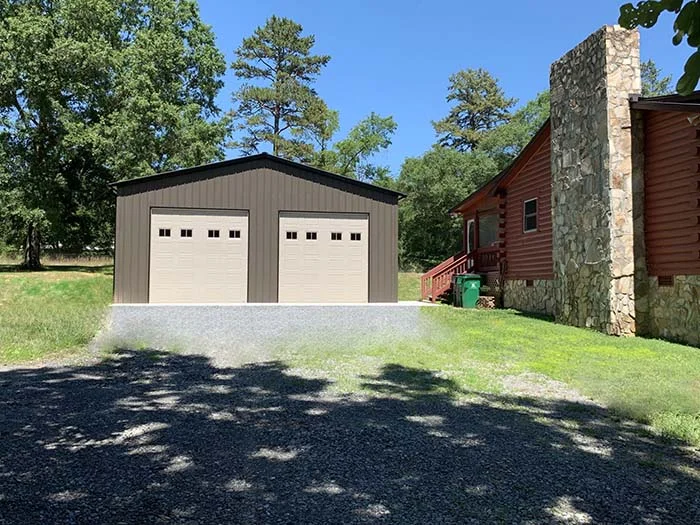
The main difference is how each building is designed and produced. A custom building is planned around the homeowner’s exact requirements. A prefab model is manufactured from a standard design and delivered as a completed unit or assembled from prepared components.
Custom options provide control over size, materials, layout, appearance, and access. They can also accommodate unusual lots or specific equipment.
Prefab models offer fewer design choices, but they simplify the buying process. Sizes, colors, door placements, and upgrades are selected from an established list. This approach reduces design time and makes the final cost easier to estimate.
Standardization Versus Flexibility
Standardized construction can improve consistency while reducing waste and labor costs.
Custom construction offers flexibility, but it requires more decisions. Measurements, materials, placement, and site conditions must be reviewed carefully before work begins.
The best fit depends on how closely a standard model matches the property and intended use. Homeowners can review available storage building products to compare standard designs before deciding whether custom construction is necessary.
Are Prefab Storage Buildings Durable Enough for Long-Term Use?
Yes, a prefab building can provide reliable long-term service when it uses strong materials, proper framing, secure fasteners, and a suitable foundation. Durability depends more on construction specifications than on whether the building is custom or prefabricated.
A quality prefab model needs strong flooring, weather-resistant siding, durable roofing, secure doors, ventilation, and proper anchoring.
Lower-cost models may use lighter materials that reduce price but shorten service life.
Site Preparation Matters
Even a strong building can develop problems when installed on uneven or poorly drained ground. Moisture beneath the floor can cause rot, corrosion, mold, or movement.
A level gravel pad, concrete slab, or another approved base helps distribute weight and direct water away from the structure. Homeowners can learn more about proper preparation in this guide to shed foundations.
Regular inspections of roofing, siding, doors, seals, and foundations also matter.
Which Option Is More Affordable: Custom or Prefabricated?
Prefab buildings are generally more affordable at the time of purchase. Manufacturers reduce costs by using repeatable designs, standardized materials, and efficient production methods.
Custom buildings cost more because they require added planning, labor, and specialized materials. Structural changes and finished interiors can raise costs quickly.
Upfront price is not the only concern. A poorly sized building may require expansion or replacement later.
Compare Complete Project Costs
Buyers should compare the building, delivery, installation, foundation, permits, upgrades, and financing expenses. Some prefab prices exclude site preparation or delivery.
A custom quote may include more of the finished project. This can make the price difference smaller than it first appears.
Financing can influence affordability. A lower monthly payment may hide a longer term or higher total cost. Compare interest, fees, down payments, early payoff rules, and the final amount paid before accepting any plan.
A standard model provides strong value when it closely matches the need. Buyers comparing styles and budgets may also find it helpful to review how shed build costs compare across styles.
Questions to Ask Before Buying
Ask whether the price includes delivery, setup, foundation work, anchors, and permits. Review wall spacing, floor capacity, roofing, door hardware, and warranty exclusions. These details reveal meaningful quality differences that photographs may not show.
How Long Does It Take to Install a Prefab Storage Building?
Installation can take hours or several days after site preparation. Timing depends on size, delivery, foundations, access, weather, and assembly requirements.
Completed portable buildings may be placed quickly, while panelized models require longer assembly.
Site preparation, permits, grading, or concrete curing may take longer than installation.
What Can Delay Installation?
Narrow gates, steep driveways, soft ground, overhead lines, trees, fences, and wet weather can delay delivery or require special equipment.
Confirm building dimensions, delivery access, and required route clearance before ordering.
A prepared site and clear schedule help reduce avoidable delays. Homeowners should also review available free delivery information to understand potential service requirements and limitations.
A display model should be inspected when possible. Open every door, walk across the floor, examine roof edges, and check how water is directed from the walls. Consistent construction and clean finishing usually indicate better quality control.
Can Prefab Storage Buildings Be Customized Later?
Some prefab buildings can be modified, depending on framing, materials, warranties, and local rules.
Shelving, hooks, ramps, workbenches, and storage systems are usually straightforward additions. Windows, extra doors, lofts, electrical wiring, insulation, or wall changes require more planning.
Structural changes can weaken the building or void warranty coverage when handled incorrectly.
Plan Important Features Early
Structural features should be selected before purchase because they are easier to address during production.
Interior organization can often be added later. Structural changes are usually more expensive after installation.
Buyers should ask which modifications are approved and whether matching parts are available. Reviewing available storage building accessories can help homeowners plan practical additions before installation.
Which Type Provides Better Long-Term Value?
Custom buildings often provide better long-term value when the homeowner has specific needs that standard models cannot meet. A tailored layout can improve access, storage capacity, appearance, and future usability.
Prefab models provide strong value when a standard size and layout already fit the property. The lower purchase price and faster installation can make them practical for straightforward storage.
Long-term value depends on durability, maintenance, flexibility, and continued usefulness. Weak flooring or poor ventilation can erase initial savings.
Consider Future Use
Homeowners should consider how equipment, tools, furniture, and household storage may increase over time.
A building with extra wall space, wider doors, and flexible interior storage may remain useful longer.
For homeowners comparing custom storage buildings in Monroe, NC, local climate, property layout, delivery access, and design preferences should be considered before choosing. This guide to choosing storage buildings in Monroe, NC provides additional local considerations.
What Are the Pros and Cons of Custom Storage Buildings?
Custom buildings offer control over dimensions, materials, appearance, and features. They can fit difficult spaces and specialized uses.
Disadvantages include higher costs, longer planning, more decisions, permit complexity, and possible material delays.
Advantages of Custom Construction
Homeowners can choose door widths, window placement, loft height, shelving support, flooring strength, roof style, and exterior finishes.
A custom design can use land efficiently and create an attractive, permanent addition. Options such as a painted A-frame storage building can also provide a more tailored appearance while maintaining a standardized building style.
Possible Drawbacks
The project requires careful planning because design changes can increase costs and delays.
Highly specialized features may be less useful to future buyers and should remain practical.
The builder’s experience and written specifications are important. Custom work should include clear details about materials, site preparation, installation, warranty coverage, and expected completion.
Choose a Building That Fits Your Property
The right building should match the property, budget, storage needs, and expected use. Better Built Structures can help homeowners compare standard and custom options.
List stored items, measure large equipment, and review the site, delivery path, foundation, and local requirements.
A careful comparison reveals whether a prefab model is sufficient or a custom design prevents costly compromises. The goal is lasting, practical storage.
Key Takeaways
Custom buildings offer greater control over size, layout, materials, appearance, and specialized features, while prefab models usually provide lower prices and faster installation.
Both can be durable when construction quality, foundations, drainage, and maintenance are handled correctly. Prefab buildings work well when standard dimensions meet the need. Custom options provide stronger value when the property or intended use requires a tailored solution.
Homeowners should compare complete costs, warranties, modification limits, delivery access, and future storage needs before choosing the building that offers the best practical long-term household fit possible overall.