
Table of Contents
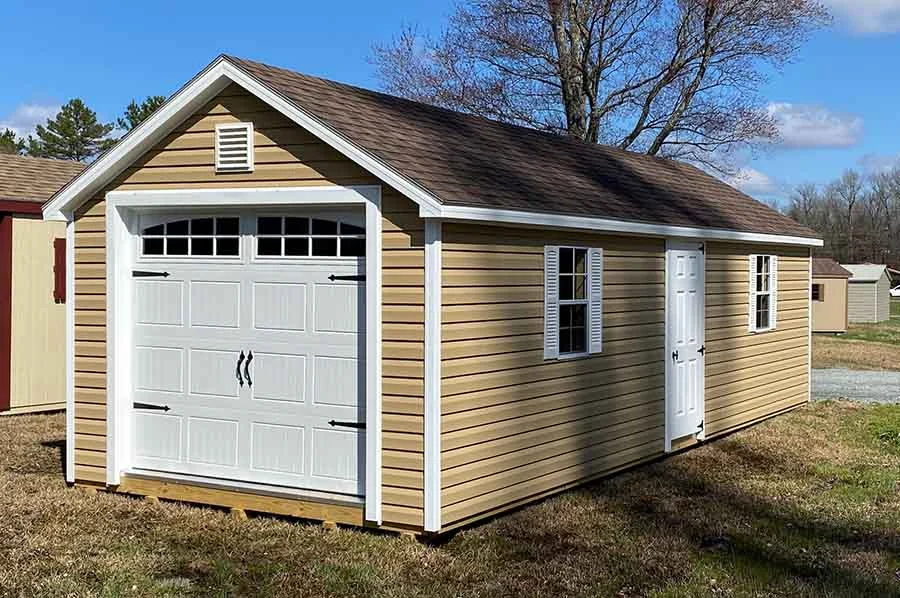
Best Storage Buildings for Homeowners: Top Models Compared
The best storage buildings for homeowners combine durable materials, practical size, secure access, and a design that fits the property.
The right model depends on what you plan to store, how often you need access and maintenance expectations.
Wood, metal, and vinyl buildings each offer distinct strengths, so homeowners should compare construction quality rather than choose by appearance alone.
A dependable building should protect tools, equipment, seasonal items, and outdoor gear while providing enough flexibility for future storage needs without wasting available outdoor yard space or exceeding the planned budget.
What Is the Best Storage Building for Residential Use?
The best residential model is the one that matches the homeowner’s space, storage volume, climate, and intended use. Size should be evaluated before style. A building that feels slightly larger than necessary at first often provides better long-term value.
Match the Building to the Purpose
A simple garden shed suits hand tools, soil, and small equipment. A utility model with double doors works better for mowers, wheelbarrows, and larger items. A lofted barn provides overhead storage without requiring a much larger footprint.
The ideal building should solve current problems while allowing reasonable room for future needs.
Which Storage Building Materials Are Most Durable?
Wood, metal, and vinyl are the most common materials used for residential buildings. Each can perform well when the framing, foundation, roof, and exterior finish are properly installed.
Metal is resistant to fire, insects, and rot. It can be cost-effective, but thin panels may dent, rust, or transfer heat. Better metal storage buildings use coated panels, reinforced framing, and effective ventilation.
Durability Depends on More Than Siding
The foundation matters as much as the exterior material. A building placed on an unstable or poorly drained site can shift, collect moisture, and experience early damage. Homeowners can review this shed foundation guide when comparing site preparation options.
Roof quality, floor framing, ventilation, door construction, and weather sealing also affect service life. The most durable option is usually the model with balanced construction, not simply the thickest siding.
What Are the Most Popular Storage Building Styles?
The most popular styles include utility sheds, garden sheds, lofted barns, cabins, and lean-to buildings. Each style serves a different combination of storage, appearance, and site needs.
Utility sheds have simple rooflines and efficient interior space. They work well for general household storage and yard equipment.
Lofted barns use a raised roof profile to create overhead storage. They are useful when homeowners need more capacity but want to limit the building’s footprint.
Garden sheds often include windows, decorative trim, and smaller doors. They are popular for landscaping tools, potting supplies, and backyard organization.
Cabin-style models may include a porch, multiple windows, or finished interior options. These buildings can support storage, hobbies, or flexible workspace when local rules allow.
Style Should Support Function
A model should not be chosen only because it looks attractive. Door placement, ceiling height, wall space, and roof shape all affect usability.
A style that matches the home can improve the overall appearance of the property.
Are Portable Storage Buildings a Good Option for Homeowners?
Portable buildings can be a practical choice for homeowners who want flexibility, quicker installation, or the ability to relocate the structure later. They are often delivered as completed units or assembled on-site with limited disruption.
However, portability does not mean the building should sit directly on uneven ground. A level gravel pad, concrete blocks, or another approved base can improve stability and drainage.
Understand the Limitations
Local zoning, delivery access, and size restrictions may still apply. Large buildings can be difficult to move after installation, especially when fences, trees, or landscaping block access.
Portable options offer convenience, but construction quality should still be carefully evaluated.
Which Storage Building Offers the Best Balance of Price and Quality?
For many homeowners, a well-built wood utility shed provides a strong balance of price, durability, customization, and appearance. It can be repaired easily, modified over time, and matched to the home.
A basic vinyl storage building may offer better value for homeowners who prefer minimal maintenance and do not need extensive customization. Metal can be economical for simple storage, but quality varies significantly between manufacturers.
The lowest price is not always the best value. A cheaper model may use lighter framing, thinner flooring, weaker doors, or limited weather protection.
Compare Total Ownership Cost
Homeowners should consider maintenance, repairs, expected lifespan, installation, site preparation, and available warranty coverage. A slightly higher upfront cost may reduce future expenses.
The best balance usually comes from choosing the simplest model that still meets structural, access, and storage requirements.
For buyers comparing storage buildings in Monroe, NC, local weather conditions, delivery access, and site drainage should be included in the decision.
What Features Do Homeowners Value Most in Storage Buildings?
Homeowners usually value secure doors, strong flooring, ventilation, natural light, and flexible storage options. These features improve daily use and help protect stored belongings.
Wide double doors make it easier to move lawn equipment, furniture, and large tools. A ramp can improve access for wheeled items.
Windows provide visibility and natural light, but they should be placed carefully to preserve wall storage and security. Vents reduce trapped heat and moisture. Proper shed ventilation can also support long-term structural performance.
Interior Features Matter
Shelves, pegboards, lofts, hooks, and partitions can greatly increase usable space. Reinforced walls allow heavier storage systems to be installed safely.
Electrical service may be useful for lighting, charging tools, or operating small equipment. Any wiring should meet local requirements and be installed correctly.
Homeowners also appreciate durable locks, weather-resistant thresholds, and roofing that directs water away from entrances.
The most valuable features are the ones that support actual storage habits.
How Do I Compare Different Storage Building Models?
Start by comparing size, framing, flooring, roof construction, siding, doors, ventilation, and warranty coverage. Model names can be misleading, so written specifications are more useful than marketing labels.
Measure the largest items that will be stored. Then consider walking space, shelving depth, and door clearance. Interior dimensions are often more important than exterior measurements.
Use a Consistent Checklist
Compare each model using the same questions:
- What is the floor load capacity?
- How are the walls framed?
- What protects the building from moisture?
- Are delivery and installation included?
- Can the model be repaired or modified later?
Inspect display models when possible. Check door alignment, floor stability, roof edges, trim, fasteners, and interior finishing.
Homeowners should also compare permit needs, site preparation, lead time, and available upgrades.
The right decision comes from matching specifications to real needs, not choosing the model with the longest feature list.
Key Takeaways
The best residential storage building is one that fits the property, protects stored items, and supports everyday access. Wood, metal, and vinyl models can all perform well when construction quality and site preparation are strong.
Homeowners should compare size, framing, flooring, roofing, doors, ventilation, warranties, and maintenance needs before buying. Popular styles include utility sheds, lofted barns, garden sheds, cabins, and portable models.
Good storage buildings deliver practical space, dependable protection, and long-term flexibility without adding excessive cost, difficult maintenance, or specialized features that will rarely provide value over time.
Choose a Building That Supports Daily Life
A storage building should make the property easier to use, not create another maintenance problem. Better Built Structures helps homeowners compare sizes, styles, materials, access options, and practical upgrades before making a decision.
A useful starting point is to list everything that needs storage, measure the largest items, and identify where the building could sit. From there, homeowners can compare storage building models based on construction quality, layout, appearance, and long-term value.
Choosing carefully can lead to a building that protects belongings, reduces clutter, and remains useful as household needs change.