
Table of Contents
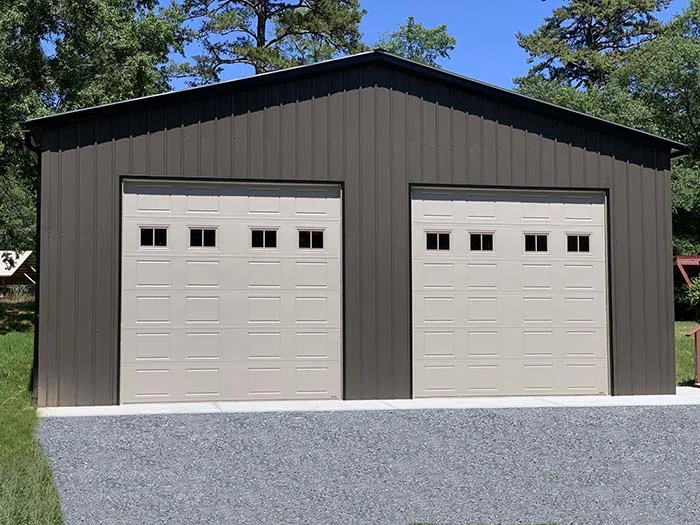
Are Metal Storage Sheds Weatherproof?
Yes, metal storage sheds are designed to be weather-resistant and can provide excellent protection against rain, wind, humidity, and temperature changes when properly installed. Modern metal sheds use galvanized steel, protective coatings, and reinforced construction to improve durability and reduce weather-related damage.
Many homeowners choose metal sheds because they require less maintenance than wood and offer strong protection against common outdoor conditions. However, weather resistance depends on factors such as material quality, installation, ventilation, and ongoing maintenance.
Understanding how metal sheds perform in different environments helps ensure you select the right structure for long-term storage needs.
Are Metal Sheds Waterproof and Rust-Resistant?
Modern metal sheds are built to resist water intrusion and corrosion, making them a dependable outdoor storage option.
Waterproof Construction Features
Most quality metal sheds include overlapping wall panels, sloped roofs, weather-resistant seals, and raised floor designs that help direct water away from the structure. These features reduce the risk of moisture entering the shed during storms.
Rust Protection Technologies
Many manufacturers use galvanized steel coated with zinc or protective paint finishes. These coatings create a barrier between the metal and moisture, significantly reducing the chance of rust formation.
Long-Term Durability
The level of protection often depends on the quality of materials used. High-grade steel structures typically provide superior steel shed durability and can withstand years of outdoor exposure with minimal maintenance.
Do Metal Sheds Leak During Heavy Rain?
A properly installed metal shed should not leak during normal or heavy rainfall.
Common Causes of Leaks
Leaks are usually caused by installation issues rather than the material itself. Potential causes include:
- Improper roof panel alignment
- Loose fasteners
- Damaged seals
- Uneven foundations
- Poor drainage around the shed
Importance of Proper Installation
Correct assembly plays a major role in preventing water intrusion. Ensuring all panels are securely fastened and properly sealed helps maintain the shed’s weather-resistant performance.
Foundation Matters
A level foundation helps prevent shifting and keeps rainwater from collecting around the structure. Many shed owners install gravel or concrete bases to improve drainage and protect the building. Proper shed foundations play a critical role in preventing leaks and moisture-related problems.
Reliable Protection During Storms
When properly installed, a quality weatherproof storage shed can provide dependable protection during severe weather conditions.
How Do You Weatherproof a Metal Shed?
Although metal sheds are naturally weather-resistant, several steps can further improve their protection.
Seal Gaps and Joints
Inspect seams, corners, doors, and roof connections periodically. Applying weather-resistant sealants can help prevent water and air infiltration.
Improve Drainage
Good drainage protects both the shed and its contents. Consider:
- Installing gutters
- Creating proper grading around the shed
- Using gravel foundations
- Directing runoff away from the structure
Maintain Protective Coatings
If scratches or exposed metal appear, touch-up paint can help preserve corrosion resistance and extend the life of the shed.
Add Ventilation
Ventilation helps reduce condensation, which can occur when warm and cool air meet inside the structure. Proper airflow improves the overall performance of a weatherproof storage shed and helps protect stored items.
For additional weather protection and storage planning, many homeowners explore different storage building options that match their local climate conditions.
Are Metal Sheds Suitable for Humid Climates?
Yes, metal sheds can perform well in humid environments when equipped with proper ventilation and moisture management features.
Understanding Humidity Challenges
Humidity creates excess moisture in the air, which can lead to condensation inside enclosed structures. Over time, trapped moisture may affect both the shed and its contents.
Ventilation Is Essential
Vent systems help circulate air and reduce moisture buildup. Ridge vents, wall vents, and louvered openings can improve airflow and minimize condensation.
Rust Prevention in Humid Regions
Modern galvanized steel and corrosion-resistant finishes are specifically designed to withstand humid conditions. Routine inspections and maintenance further enhance protection.
Many homeowners searching for metal storage sheds in Monroe, NC choose metal structures because they perform well in changing weather conditions, including humid summers common in the region.
Do Metal Sheds Require Insulation for Protection?
Insulation is not always necessary, but it can provide significant benefits depending on how the shed will be used.
When Insulation Helps
Insulation may be beneficial if the shed is used for:
- Workshops
- Hobby spaces
- Climate-sensitive storage
- Equipment protection
- Seasonal occupancy
Temperature Control Benefits
Insulation helps reduce temperature fluctuations by slowing heat transfer through walls and roofing materials.
Condensation Reduction
Insulated sheds often experience less condensation, which can help protect tools, equipment, and other valuable items.
Optional But Valuable
While a standard metal shed can function effectively without insulation, adding insulation may improve comfort and storage conditions for certain applications.
Can Metal Sheds Withstand Extreme Temperatures?
Metal sheds are generally capable of handling both hot and cold climates.
Performance in Hot Weather
Metal reflects a portion of solar radiation, but the interior can still become warm during summer months. Ventilation and insulation help improve temperature management.
Performance in Cold Weather
Steel remains structurally stable in cold temperatures. Snow loads and winter weather resistance depend on the shed’s design, roof structure, and engineering specifications.
Wind Resistance
Many modern metal sheds are engineered to withstand strong winds when anchored properly. Reinforced framing and secure foundations improve stability during storms.
Built for Longevity
One reason metal sheds continue to grow in popularity is their impressive steel shed durability. Properly maintained structures can provide reliable performance through years of seasonal temperature changes and harsh weather.
Homeowners comparing materials may also benefit from learning about the advantages of metal storage buildings for long-term outdoor use.
Key Takeaways
Metal storage sheds offer excellent protection from rain, humidity, wind, and temperature changes when properly installed and maintained. Galvanized steel, protective coatings, ventilation, and proper drainage all contribute to long-term performance. Choosing quality materials and following maintenance recommendations helps maximize durability, weather resistance, and storage protection for years.
Protect Your Belongings with a Reliable Storage Solution
A durable storage building is only as good as the quality behind its construction. At Better Built Structures, we take pride in helping customers find dependable storage solutions designed for real-world weather conditions.
Whether you’re looking for metal storage sheds in Monroe, NC for equipment, seasonal items, or valuable tools, we focus on structures that deliver lasting performance and dependable protection. Our team understands the importance of quality craftsmanship, durability, and customer satisfaction.
Contact us today to explore storage options built to handle the elements while keeping your belongings secure year-round.