Table of Contents
How Long Do Metal Storage Buildings Last Compared to Other Materials?
How Many Years Does A Metal Storage Building Typically Last?
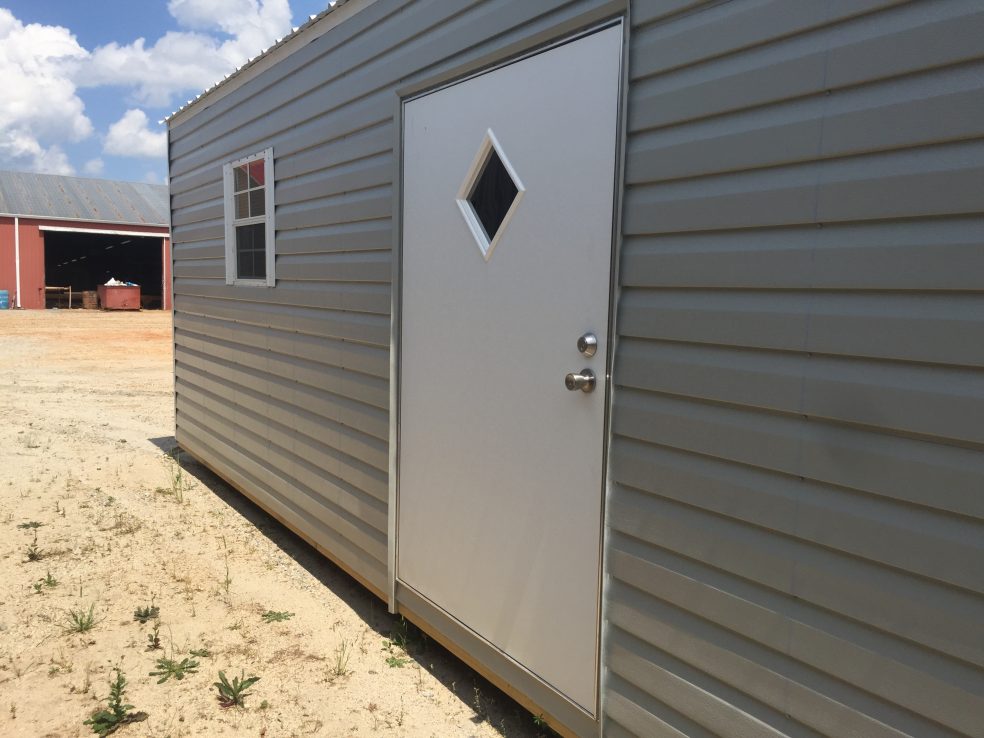
A well-built metal storage building can commonly remain serviceable for 30 to 50 years, and some last longer with good corrosion protection. Lifespan varies because steel quality, coatings, fasteners, roof design, foundation stability, and maintenance all affect performance.
Construction Quality Makes A Major Difference
Not every metal building is built to the same standard. Thicker steel, durable finishes, strong framing, sound connections, and quality roofing generally outperform lightweight materials intended for temporary storage.
Installation matters too. Poor anchoring, uneven foundations, and badly sealed roof panels can create problems even with durable materials.
Coatings Help Protect Steel
Galvanized or coated steel is designed to resist corrosion better than untreated metal. Protective finishes limit exposure to moisture and oxygen, slowing rust formation.
Owners should still inspect scratches, damaged coatings, fasteners, roof edges, and areas where water collects. Small problems are easier to correct before corrosion spreads. Warranty length can also provide clues about expected material performance and coverage.
What Affects The Lifespan Of A Storage Building?
The lifespan of any storage building depends on materials, foundation quality, drainage, weather exposure, maintenance, ventilation, and how heavily the structure is used.
Foundation And Drainage
A level, stable foundation reduces movement and stress on framing, doors, roofing, and wall panels. Gravel pads, concrete slabs, or properly designed pier systems can all work when matched to the structure and site.
Proper shed foundation preparation is especially important because standing water can encourage corrosion, damage wood components, and contribute to foundation movement.
Maintenance Frequency
Routine maintenance can add useful service life. Clear gutters, repair roof damage, seal openings, replace damaged fasteners, and control nearby vegetation.
Owners should also check doors and windows. Misalignment can indicate settling or movement that deserves attention.
Do Metal Storage Buildings Rust Over Time?
Yes, metal can rust when protective coatings fail and steel remains exposed to moisture and oxygen. However, modern metal storage buildings are often manufactured with galvanized surfaces, painted finishes, or other protective systems that reduce corrosion risk.
Where Rust Usually Starts
Corrosion often begins around scratches, fasteners, roof edges, panel overlaps, or areas where water remains trapped. Condensation inside the building can also contribute if airflow is poor.
Routine inspection matters because surface rust is easier to address than deep corrosion.
Preventing Corrosion
Keep the building dry, maintain drainage, and repair coating damage promptly. Avoid allowing leaves, soil, mulch, or vegetation to remain in contact with exterior metal panels.
Proper ventilation can also reduce interior moisture. If condensation is common, improving airflow or adding appropriate insulation and moisture control may help. Understanding shed ventilation and its impact on structure longevity can help owners manage moisture more effectively.
How Long Do Wood Storage Buildings Last With Proper Maintenance?
A well-built wood storage building can last 20 to 40 years or longer when it is kept dry, protected from insects, and maintained consistently. High-quality construction and good site preparation can extend that service life considerably.
Wood Requires More Moisture Protection
Wood naturally absorbs moisture. Repeated wetting can lead to swelling, warping, fungal decay, and deterioration if surfaces cannot dry properly.
Paint, stain, sealants, roof overhangs, good drainage, and adequate ground clearance all help reduce exposure.
Insects Can Affect Longevity
Termites, carpenter ants, and other wood-damaging insects can shorten the life of untreated or poorly protected structures. Periodic inspection helps detect activity before serious damage develops.
Wooden storage sheds remain a strong option for appearance and customization, but they usually require more maintenance than metal.
Which Storage Building Material Is Most Durable?
Metal is often one of the most durable storage building materials because it resists rot, insect damage, and warping. Properly protected steel can perform for decades with relatively limited maintenance.
Metal is not always best for every property. Wood, vinyl, and engineered materials also have advantages.
Metal
Metal performs well when strength, fire resistance, low maintenance, and long-term structural stability are priorities. Quality coatings are essential in humid or corrosive environments.
Wood
Wood offers excellent customization and a traditional appearance. It can also be repaired easily, but moisture management, painting, pest control, and regular inspections are important.
Vinyl And Composite Materials
Vinyl storage buildings can resist rot and require little exterior maintenance. Their durability still depends on the framing and foundation beneath the siding.
Composite materials can perform well, but quality varies. Compare warranties, structural specifications, and maintenance needs rather than siding alone.
Can Weather Conditions Shorten The Life Of A Storage Building?
Yes. Heavy rain, humidity, strong winds, intense sun, temperature changes, and storms can all affect a storage building over time.
For buyers comparing metal storage buildings in Monroe, NC, local humidity, rainfall, summer heat, and severe weather exposure should be considered when choosing materials and site preparation. Buyers can also review guidance on choosing storage buildings in Monroe, NC when evaluating options for local conditions.
Moisture Is A Major Concern
Repeated moisture exposure can corrode metal, rot wood, damage flooring, and create condensation problems. Proper grading should direct water away from the structure.
Roof drainage matters too. Gutters and downspouts can help prevent water from collecting near the foundation when they are installed and maintained correctly.
Wind And Storm Exposure
Strong winds place pressure on doors, roofing, wall panels, and anchoring systems. A durable structure needs appropriate fasteners, secure doors, and anchoring suited to the building and local conditions.
Tree placement matters too. Overhanging limbs can fall during storms and trap debris against the roof.
How Can I Extend The Lifespan Of My Storage Building?
You can extend a storage building’s lifespan by controlling moisture, maintaining the roof, inspecting the structure regularly, and repairing damage early.
Inspect The Building Each Season
Look for roof leaks, loose fasteners, rust, damaged siding, cracked sealant, insect activity, and drainage problems. Seasonal checks can reveal minor issues before they become expensive repairs.
Pay special attention after severe storms.
Keep Water Away
Maintain grading around the building and prevent soil or mulch from covering lower wall sections. Clean gutters and make sure downspouts discharge away from the foundation.
Inside, improve ventilation when condensation develops.
Protect Exterior Surfaces
Repair scratches in coated metal. Repaint or reseal wood when finishes begin to fail. Replace damaged siding or roofing before moisture reaches structural components.
Avoid Overloading The Structure
Shelving, lofts, and hanging storage should remain within their intended weight limits. Heavy equipment should be positioned on floors designed to support it.
Proper use protects framing and prevents unnecessary movement or damage.
Key Takeaways
Metal buildings often provide excellent long-term durability, with many properly built and maintained structures remaining useful for 30 to 50 years or longer. Wood buildings can also last for decades, but they usually need more frequent protection from moisture, insects, and weather.
Foundation quality, drainage, coatings, ventilation, roof maintenance, and installation standards strongly influence actual lifespan. No material is maintenance-free. Regular inspections and timely repairs are the most reliable ways to protect a storage building, preserve structural performance, and reduce the chance of expensive structural deterioration over time.
Choose A Structure Built For Long-Term Use
Better Built Structures can help you compare materials, building sizes, foundations, roof options, ventilation, and other details that influence long-term performance. Choosing a storage building should involve more than comparing appearance or upfront price.
Our team can help you consider how the structure will be used, where it will sit, and what local conditions it may face. A well-planned building with durable materials and proper site preparation can provide dependable storage while reducing avoidable maintenance and repair concerns for years.