Table of Contents
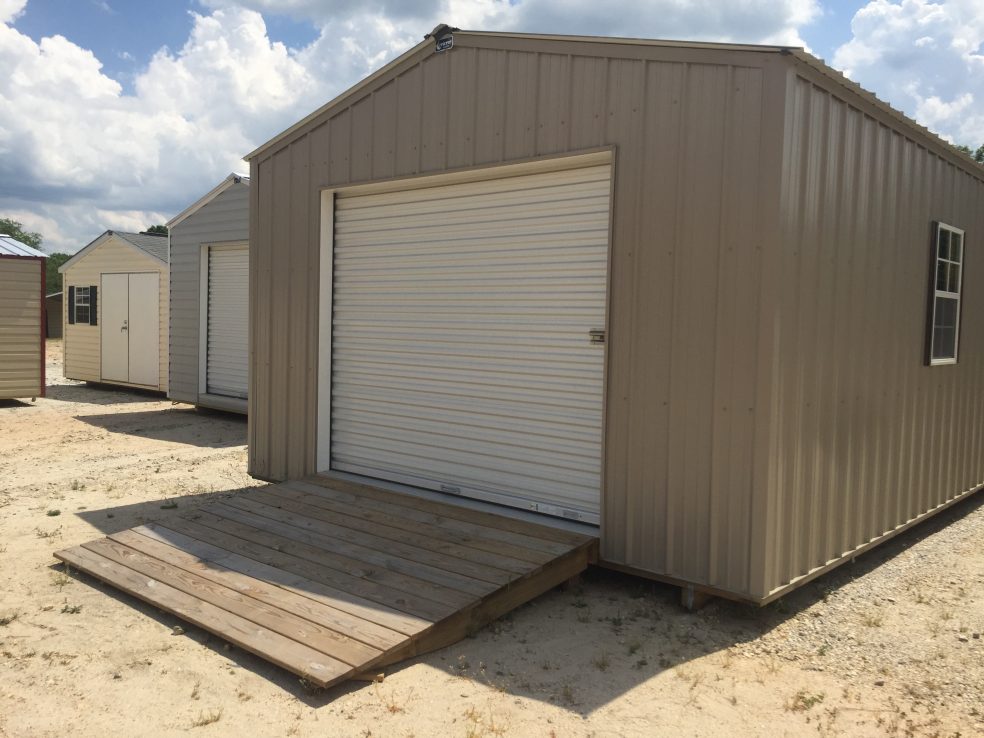
Best Uses for Metal Buildings: Garage, Workshop, or Storage?
The best use for a metal building depends on whether you need vehicle protection, productive workspace, or secure storage. Garages, workshops, and storage buildings all work well because metal structures offer strength, flexibility, and long-term durability.
Property owners choose Metal Building Solutions when they need practical space that can handle daily use. A well-planned structure can protect vehicles, support tools and equipment, or create room for business activities. The right choice comes from matching the building’s size, layout, access, budget, and features to its intended purpose over the long term.
What Are The Most Common Uses For Metal Buildings?
Metal buildings are commonly used for garages, workshops, storage spaces, equipment shelters, agricultural buildings, and light commercial spaces. Their clear-span interiors and durable framing make them useful for many property types.
A major advantage is flexibility. The same basic structure can be configured for wide doors, open floor space, enclosed rooms, insulation, electrical service, ventilation, or climate control.
Residential Uses
For homeowners, common uses include vehicle garages, lawn equipment storage, hobby shops, recreational vehicle shelters, and home project spaces.
A metal building can help reduce clutter inside the house and keep valuable items protected from weather exposure.
Rural And Agricultural Uses
On larger properties, metal buildings are often used for tractors, trailers, feed, tools, livestock supplies, and farm equipment.
These buildings are practical because they can be scaled to fit large items while still offering efficient access. Wider bays and taller sidewalls also make daily loading, unloading, and parking easier.
Commercial Uses
Businesses may use metal buildings for inventory storage, small offices, repair areas, warehousing, or service operations.
When comparing metal building uses, the best option is usually the one that solves the most frequent daily problem on the property. Many owners choose tubular steel buildings because of their flexibility and durability across multiple applications.
Are Metal Buildings Good For Garages And Workshops?
Yes, metal buildings are excellent for garages and workshops because they provide dependable protection, open space, and strong structural support.
They can be designed for simple vehicle storage or customized for more advanced work needs.
Why Metal Garages Work Well
A metal garage protects cars, trucks, boats, trailers, and recreational vehicles from sun, rain, hail, falling debris, and temperature changes.
Wide overhead doors allow easy access, while enclosed walls improve security. Concrete floors, lighting, and outlets can make the space more functional.
Property owners often select dedicated garages and shops because they combine protection, storage, and workspace in one structure.
Why Metal Workshops Work Well
Workshops need durability, clearance, ventilation, and enough room to move around safely.
Metal buildings support these needs well. They can house workbenches, machinery, tool storage, lift systems, and dedicated project zones.
Garage Or Workshop?
A garage focuses mainly on protection and parking. A workshop focuses on productivity and organization.
For many property owners, the best solution combines both. One side can protect vehicles, while the other side supports tools, repairs, or hobbies. This approach often maximizes square footage without requiring two separate buildings. Good planning also protects future usability and budget control.
Can A Metal Building Be Used For Business Purposes?
Yes, a metal building can be used for business purposes when it meets zoning, permitting, safety, and operational requirements.
Many small businesses choose metal structures because they provide usable square footage at a practical cost.
Common Business Applications
Metal buildings can support:
- Auto repair
- Equipment service
- Landscaping operations
- Inventory storage
- Contractor workshops
- Warehousing
- Light manufacturing
The structure can be designed around workflow, storage needs, and customer or employee access.
Planning For Business Use
Business use requires careful planning. Owners should consider parking, driveway access, loading areas, utilities, restrooms, insulation, lighting, and fire safety.
Local rules may determine where the building can be placed and how it may be used.
Long-term Value
A business-ready metal building can improve efficiency by keeping tools, inventory, and work areas organized.
For owners comparing garage vs workshop vs storage building options in Monroe, NC, a business-focused layout may provide the strongest functional return if the property supports daily operations.
What Is The Best Layout For A Metal Workshop?
The best layout for a metal workshop is one that separates work zones, storage areas, access points, and safety clearances.
A good workshop should feel organized, not crowded.
Start With The Main Activity
The layout should begin with the primary use. Woodworking, automotive repair, welding, equipment maintenance, and general projects all require different floor plans.
A vehicle repair shop may need higher clearance and wide doors. A woodworking shop may need dust control, wall storage, and space around stationary tools.
Create Clear Work Zones
A practical workshop often includes:
- Main work area
- Tool storage wall
- Material storage area
- Finished project space
- Utility or compressor area
- Walkways
- Door clearance zones
These zones reduce clutter and improve safety.
Think About Doors And Utilities
Door placement affects workflow. Large doors should align with vehicle or equipment movement.
Electrical outlets should be placed where tools will be used. Lighting should reduce shadows over work surfaces.
Ventilation is also important for dust, fumes, heat, and moisture control.
Are Metal Buildings Suitable For Long-term Storage?
Yes, metal buildings are highly suitable for long-term storage when they are properly designed, sealed, and maintained.
They protect belongings from weather, pests, and unnecessary exposure.
What Can Be Stored?
Metal storage buildings can protect:
- Lawn equipment
- Tools
- Vehicles
- Seasonal items
- Farm supplies
- Construction materials
- Recreational gear
- Business inventory
Their open interiors allow shelves, racks, cabinets, and large equipment to be arranged efficiently.
Protecting Stored Items
Long-term storage requires more than a roof and walls. Moisture control is important.
Proper ventilation, insulation, vapor barriers, and sealed doors can help reduce condensation and protect sensitive items.
Storage Building Advantages
Compared with temporary sheds, metal buildings usually offer better strength, security, and lifespan.
They also allow larger openings, taller walls, and more layout options. That makes them useful for both household storage and serious equipment protection. Businesses and homeowners alike often benefit from dedicated metal storage buildings for long-term organization and protection.
Can You Convert A Metal Building Into Living Space?
Yes, some metal buildings can be converted into living space, but the project must meet building codes, zoning rules, utility requirements, and residential safety standards.
A basic storage shell is not automatically suitable for occupancy.
What Conversion Requires
A livable metal building typically needs insulation, framed interior walls, plumbing, electrical systems, heating and cooling, ventilation, windows, doors, fire protection, and finished flooring.
It may also require engineered plans, inspections, and permits.
Important Limitations
Not every property allows residential conversion. Local zoning may restrict accessory dwelling units, guest houses, rental units, or mixed-use structures.
Before starting, owners should confirm what is legally allowed.
Practical Uses
Even when full living space is not possible, a metal building may support a finished office, hobby room, gym, studio, or recreational area.
These uses still require planning but may be more realistic than a complete residence.
Build Around The Way You Use Your Property
At Better Built USA, we help property owners choose metal buildings based on real use, not guesswork. We look at how the space will function day after day, whether that means parking vehicles, organizing equipment, creating a workshop, or planning a storage structure with room to grow.
Our goal is to help you select a building size, layout, and feature package that fits your property and supports long-term value. We focus on practical designs that make your space easier to use and ready for dependable everyday performance.
Final Thoughts
Metal buildings are useful for garages, workshops, storage, business operations, and some finished spaces when properly planned. The best use depends on your goals, property layout, code requirements, and the level of comfort or utility needed.
Garages protect vehicles, workshops support productive projects, and storage buildings keep equipment organized and secure. A flexible design can combine several uses in one structure.
With the right layout, materials, access, and planning, a metal building can improve daily function, protect valuable assets, and support future property needs for years through changing ownership needs.