Table of Contents
How Long Do Metal Buildings Last Compared to Traditional Buildings?
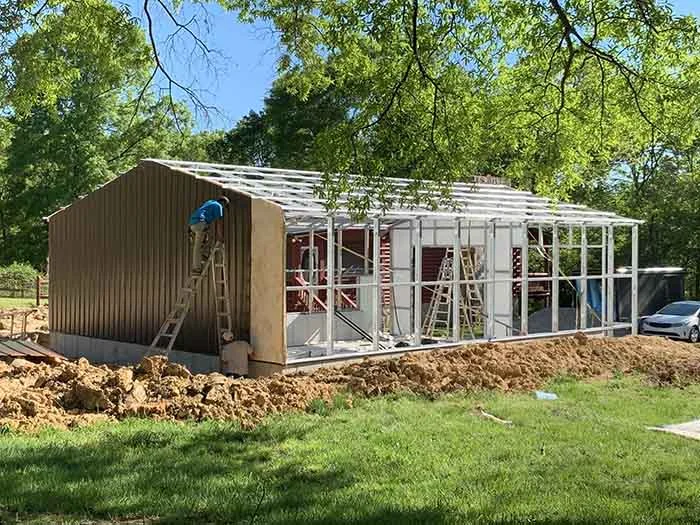
Metal buildings typically last longer than many traditional structures when properly designed and maintained. The lifespan of metal buildings often ranges from 40 to 100 years, while wood buildings may face earlier deterioration from moisture, pests, and structural wear.
What Is The Average Lifespan Of A Metal Building?
The average metal building can last between 40 and 100 years, depending on its design, materials, location, and maintenance practices. Many steel-framed structures continue performing well long after reaching the 50-year mark.
Why Metal Buildings Last So Long
Steel offers exceptional structural strength. Unlike wood, it does not warp, split, or weaken because of insect damage. Modern manufacturing processes also improve durability through protective coatings and engineered components.
For a deeper look at common applications and designs, explore these types of metal buildings.
Typical Lifespan Expectations
- Basic agricultural buildings: 40 to 60 years
- Commercial steel buildings: 50 to 80 years
- Industrial steel structures: 60 to 100 years or more
- Well-maintained specialty facilities: Up to a century
These estimates make metal buildings one of the longest-lasting construction options available today.
Do Metal Buildings Last Longer Than Wood Structures?
In many situations, yes. When comparing steel vs traditional building longevity, steel structures generally outperform wood buildings over the long term.
Common Challenges With Wood Buildings
Wood is a versatile construction material, but it faces several natural vulnerabilities:
- Termite and pest infestations
- Rot caused by moisture exposure
- Mold growth
- Warping and cracking
- Fire susceptibility
These issues can shorten a building’s useful life and increase maintenance costs.
Advantages Of Steel Structures
Steel maintains its structural integrity under conditions that commonly affect wood. It is non-combustible, resistant to pests, and less affected by humidity fluctuations.
Property owners researching what are the advantages of structural steel buildings often find durability among the top reasons for choosing steel construction.
For property owners focused on long-term value, steel vs traditional building longevity often favors metal because fewer structural repairs are needed over time.
Cost Considerations Over Time
While upfront costs may vary by project, long-term ownership expenses are often lower with steel buildings. Reduced repairs and extended service life can create significant savings throughout the building’s lifespan.
What Factors Affect The Longevity Of A Metal Building?
Several variables influence how long a metal building will remain structurally sound and functional.
Quality Of Materials
High-grade steel provides better durability and resistance to environmental stress. Inferior materials may experience premature deterioration.
Choosing certified building components contributes significantly to the overall lifespan of metal buildings.
Engineering And Design
A properly engineered building can withstand wind loads, snow loads, and seismic activity more effectively than a poorly designed structure.
Design elements that improve longevity include:
- Adequate drainage systems
- Proper roof slopes
- Reinforced framing
- Effective ventilation
Climate And Environment
Environmental conditions play a major role in building durability.
Factors include:
- Coastal salt exposure
- Heavy rainfall
- Extreme temperature fluctuations
- High humidity levels
- Industrial pollutants
Buildings in harsher environments may require additional protective coatings and more frequent inspections.
Construction Quality
Even the best materials can underperform if installation is poor. Professional construction practices ensure components fit correctly and perform as intended.
This is especially important for projects involving metal building construction in Monroe, NC, where local weather conditions and building codes must be considered during planning and installation.
Can Metal Buildings Last 50 Years Or More?
Yes. Many steel buildings comfortably exceed 50 years of service and continue functioning effectively for decades beyond that benchmark.
Real-World Performance
Across commercial, agricultural, and industrial sectors, steel buildings frequently remain operational for generations. Their durability is one reason they are widely used for warehouses, manufacturing facilities, storage buildings, and commercial spaces.
The growing use of steel structures in industrial settings is highlighted in the surprising role metal buildings play in the new age of American manufacturing.
Features That Support Long-Term Performance
Several characteristics help extend service life.
Protective Coatings
Galvanized steel and specialized paint systems help shield surfaces from moisture and environmental exposure.
Strong Framing Systems
Steel framing resists deformation under significant loads and maintains structural stability over time.
Adaptability
Many metal buildings can be modified, expanded, or renovated without compromising their structural framework. This flexibility allows owners to continue using the building as needs evolve.
When properly maintained, achieving a lifespan beyond 50 years is not unusual. In fact, many examples demonstrate that the lifespan of metal buildings can extend well past several decades with minimal structural issues.
How Does Maintenance Impact Building Lifespan?
Maintenance plays a critical role in determining how long any building lasts, including steel structures.
Preventive Maintenance Matters
Regular inspections allow owners to identify small issues before they become major problems. Addressing concerns early helps preserve structural integrity and reduce repair costs.
Recommended Maintenance Practices
Inspect Roofing Systems
Check for damaged panels, loose fasteners, and potential leaks. Prompt repairs help prevent water intrusion.
Clean Gutters And Drainage Systems
Proper water management reduces the risk of standing moisture and corrosion.
Examine Protective Coatings
Paint systems and protective finishes should be monitored and refreshed when necessary.
Monitor Structural Components
Inspect framing, connections, and support systems for signs of wear or damage.
Long-Term Benefits
Routine maintenance can significantly extend service life while preserving appearance and performance. Buildings that receive consistent care generally experience fewer costly repairs and maintain higher property value.
A well-maintained steel building often outlasts comparable traditional structures because fewer biological and environmental threats affect the core material.
Are Steel Buildings Resistant To Rust And Corrosion?
Yes, modern steel buildings are designed with corrosion resistance in mind. However, resistance does not mean immunity.
Understanding Corrosion Protection
Manufacturers use several methods to protect steel surfaces.
Galvanization
A zinc coating forms a protective barrier that helps prevent rust formation.
Protective Paint Systems
Industrial-grade coatings provide another layer of defense against moisture and environmental contaminants.
Advanced Metal Treatments
Modern technologies improve resistance to oxidation and extend material performance.
Environmental Influences
Corrosion risk varies based on location and exposure.
Higher-risk environments include:
- Coastal regions with salt air
- Areas with frequent rainfall
- Industrial zones with chemical exposure
In these conditions, regular inspections become even more important.
Managing Corrosion Effectively
Owners can maximize building durability by:
- Repairing damaged coatings promptly
- Keeping surfaces clean
- Preventing standing water
- Conducting periodic inspections
With these practices in place, steel buildings can maintain exceptional performance for many decades.
Key Takeaways
Metal buildings often outlast traditional wood structures because steel resists pests, rot, and many environmental threats. The lifespan of metal buildings commonly ranges from 40 to 100 years. Material quality, design, climate, and maintenance all influence durability. When evaluating steel vs traditional building longevity, steel frequently delivers superior long-term performance and value.
Build for Decades with Confidence
At Better Built Structures, we believe every building should be designed for long-term performance, durability, and value.
Whether you’re considering commercial, agricultural, or metal building solutions, we help clients choose solutions built to last.
Our team focuses on quality materials, expert craftsmanship, and dependable service so your investment can deliver reliable performance for generations to come. To learn more about available options or discuss your project, contact our team.