
Table of Contents
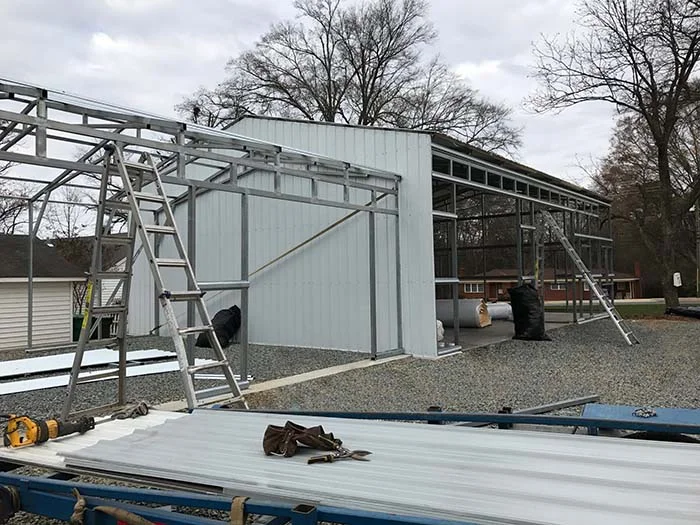
What Is the Average Cost of a Metal Carport Installed?
What Is the Average Cost of a Metal Carport Installed?
The average installed metal carport costs about $2,000 to $8,000 for most standard residential projects. Your final metal carport cost depends on size, roof style, steel gauge, anchoring, site conditions, permits, and whether you need a basic cover or a more customized structure.
A clear budget helps you compare quotes and prevents surprises after design, delivery, and installation details are added.
How Much Does It Cost to Install a Metal Carport?
Installed metal carports often fall between $8 and $30 per square foot. Common single-car models start near $2,000, while larger double-car units often reach $8,000 or more. Recent pricing guides place many complete projects between $2,700 and $7,800.
Typical Price Ranges by Size
A 12-by-20-foot carport is usually the entry point for one vehicle. It may cost $2,000 to $4,800 installed.
A 20-by-20-foot carport commonly protects two vehicles. That size often ranges from $3,200 to $8,000.
What the Installed Price Usually Includes
An installed quote may include the frame, roof panels, trim, fasteners, delivery, anchors, and assembly. It may not include grading, concrete, electrical work, drainage, permits, or custom site preparation.
What Factors Influence the Price of a Metal Carport?
A reliable carport pricing guide must account for more than width and length. The most accurate estimate considers materials, engineering, site work, design, and local requirements.
Size and Clearance
The larger and taller the carport, the more steel, panels, bracing, and labor it requires. Standard vehicle height costs less than RV clearance because taller legs need stronger framing.
Roof Style
Regular roofs are usually the most affordable. Boxed-eave roofs cost more because they provide a cleaner residential appearance.
Vertical roofs are typically the highest-priced option. They shed rain, leaves, and snow more efficiently, making them a strong long-term choice.
Steel Gauge and Panel Quality
Thicker steel costs more upfront but improves strength. Many budget carports use lighter framing and panels. Premium options use heavier tubing, stronger roofing panels, and reinforced connections.
Anchoring and Foundation Type
Ground anchors cost less than concrete anchors. A level concrete slab usually has a cleaner finish and stronger attachment.
If the site needs grading, stone, drainage, or slab work, the total project cost can rise by hundreds or thousands of dollars.
Local Codes and Certifications
Wind and snow load certifications can affect pricing. In North Carolina, permit rules, code requirements, and site exposure should be checked before ordering.
For metal carport installation in Monroe, NC, local experience matters because installers must understand regional weather, soil, access, and inspection expectations.
Is It Cheaper to Build or Buy a Metal Carport Kit?
Buying a metal carport kit is usually cheaper than building a custom carport from raw materials. Factory-built kits reduce waste, speed up installation, and use standardized components.
Why Kits Often Cost Less
Kits are pre-engineered and measured before delivery. The frame, panels, trim, and hardware arrive ready for assembly. This reduces labor time and lowers the chance of costly cutting errors.
When Custom Building May Make Sense
A custom-built carport may be better when the site has unusual dimensions, limited access, architectural restrictions, or special clearance needs.
DIY Versus Professional Installation
DIY may reduce labor costs, but it adds risk. Improper anchoring, panel alignment, or bracing can shorten the structure’s life and create safety concerns.
Professional installation is usually better when the structure is large, tall, certified, or placed on concrete. Homeowners comparing options may also benefit from understanding what construction type is a metal carport before making a purchase decision.
How Much Does Labor Add to Carport Installation Costs?
Labor can add a meaningful portion of the total price, especially when the job involves site preparation, concrete, tall legs, enclosed panels, or difficult access. Some manufacturers bundle standard installation into the advertised package, while others price labor separately.
Basic Assembly Labor
For a simple open-sided carport on a prepared level site, labor is usually straightforward. Crews can assemble the frame, attach panels, install trim, and anchor the structure efficiently.
Added Labor for Complex Projects
Labor increases when installers must work around slopes, tight driveways, trees, utility concerns, or poor drainage. Enclosed sides, gable ends, doors, windows, and custom trim also add time.
Why Labor Should Not Be the First Place to Cut
Cheap labor can create expensive problems. A carport is only as reliable as its anchoring, alignment, and fastening.
Poor installation can lead to leaks, loose panels, frame movement, and premature wear. Paying for skilled installation protects the structure’s value.
Are Metal Carports More Affordable Than Garages?
Yes. Metal carports are usually much more affordable than enclosed garages because they require fewer materials, less labor, and simpler construction.
Why Garages Cost More
A garage usually includes walls, doors, windows, framing, insulation, electrical systems, foundation work, and more code requirements. It may also need interior finishing.
Those weighing both options may find it helpful to compare a metal carport or garage when evaluating long-term costs and functionality.
What You Give Up with a Carport
A carport does not provide the same security, climate control, or storage protection as a garage. Wind-driven rain, dust, and theft exposure are still possible.
However, for basic vehicle protection, a metal carport is often practical. It shields cars, trucks, trailers, and equipment from sun, rain, hail, and falling debris.
Do Larger Carports Significantly Increase the Cost?
Yes, larger carports usually increase the cost, but the price does not always rise evenly. A wider or longer structure needs more material, but delivery and crew mobilization may already be included.
Width, Length, and Height
Width often has the biggest impact because wider spans need stronger framing. Length increases panel coverage and roof area. Height increases leg material, bracing requirements, and wind exposure.
When Upsizing Makes Financial Sense
Upsizing can be smart if you expect to add another vehicle, boat, mower, trailer, or outdoor equipment later. Paying for extra coverage during the first installation may cost less than adding another structure later.
Avoid Paying for Unused Space
Bigger is not always better. Measure vehicles carefully, including mirrors, doors, hitches, ladders, and roof racks. Leave practical walking space, but avoid oversizing beyond realistic use.
A thoughtful design keeps the budget controlled while protecting what matters. Homeowners planning for future expansion may also want to explore how carport installations are changing the way we protect and power our vehicles.
Key Takeaways
Installed metal carports usually cost $2,000 to $8,000, though size, roof style, steel gauge, site work, and local requirements can change pricing. A strong carport pricing guide compares complete installed quotes, not base prices. Professional installation often protects long-term value and reduces avoidable repair risks for your property.
Plan Your Carport with Better Built Structures
At Better Built Structures, we help you choose the right carport size, style, and installation plan before money is wasted on the wrong structure.
For dependable metal carports and RV covers, we provide practical guidance, clear options, and workmanship focused on long-term use.
Contact us to compare designs, understand your true metal carport cost, and move forward with confidence from the start.