Table of Contents
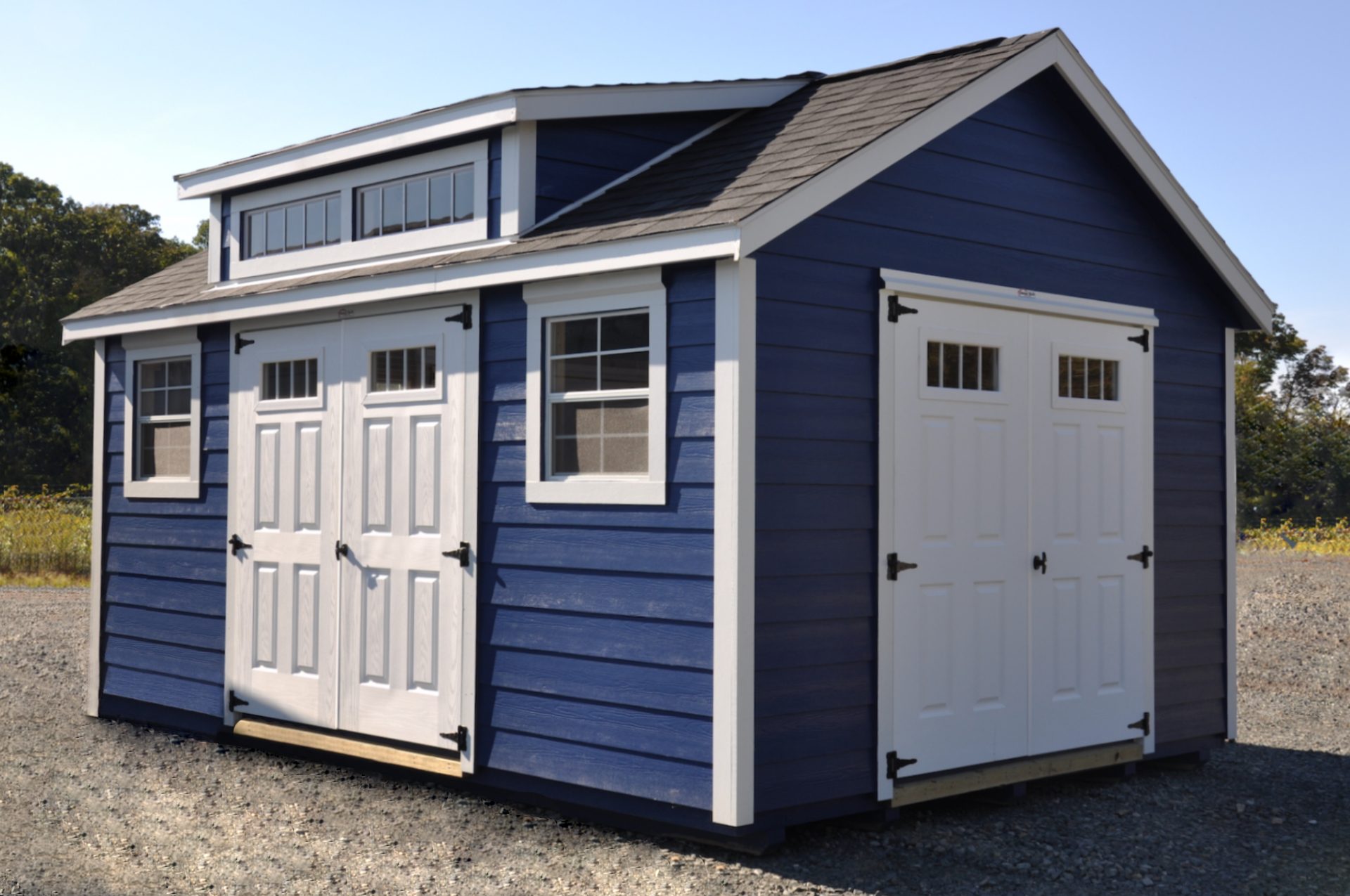
Utility Building Uses Beyond Storage
For decades, the phrase “utility building” meant one thing: storage.
Lawn mower. Holiday decorations. Extra paint cans. Maybe a few mystery boxes that haven’t been opened since 2012.
But something has shifted.
Homeowners are rethinking how they use their property. Square footage inside the house is no longer the only space that matters. With remote work, side businesses, hobbies, and multigenerational living becoming more common, utility buildings are stepping into a whole new role.
They’re no longer just sheds. They’re opportunity.
Let’s talk about how utility buildings are being transformed into purposeful, creative, and surprisingly valuable spaces.
What are Creative Uses For a Utility Building Beyond Basic Storage?
The biggest misconception about utility buildings is that they are one-dimensional.
Yes, they can store tools. But that’s like saying a spare room is only for boxes. The structure itself — four walls, a roof, and protected space — is a blank canvas.
Homeowners are now using utility buildings for:
- Art studios
- Music practice rooms
- Fitness spaces
- Gaming rooms
- Reading retreats
- Teen hangouts
- Craft workshops
- Home theaters
The appeal is simple: separation.
When you step into a detached building, you’re mentally “somewhere else.” That separation creates focus and flexibility. You’re not distracted by dishes in the sink or laundry waiting to be folded.
Some creative transformations we’re seeing more often include:
- Backyard Retreats
A quiet place with comfortable seating, soft lighting, and maybe even a small heater or AC unit. Perfect for decompressing after a long day. - Personal Gyms
Instead of paying monthly gym fees, homeowners are adding rubber flooring, mirrors, and basic equipment inside a utility building. - Creative Studios
Painters, photographers, and makers love having a space where they can leave projects set up without taking over the dining table.
The real shift is mindset. Utility buildings are being viewed as extensions of lifestyle rather than overflow space.
Can a Utility Building Be Converted Into a Home Office or Workspace?
Short answer: absolutely.
With remote and hybrid work models here to stay, people are realizing something important. Working from the kitchen table isn’t sustainable long term.
A utility building can be converted into a highly functional home office with the right upgrades:
- Insulation
- Electrical wiring
- Lighting
- Climate control
- Internet access
The beauty of a detached workspace is focus. When your office is physically separate from your living space, boundaries are clearer.
Here’s why utility buildings make excellent workspaces:
1. Reduced Distractions
No television in the background. No family traffic walking through the room. It becomes a dedicated productivity zone.
2. Professional Separation
For those hosting virtual meetings or client calls, having a designated office creates a more polished and consistent environment.
3. Customization
Unlike a spare bedroom, a utility building can be customized entirely around workflow. You can design:
- Built-in shelving
- Workbenches
- Dual-monitor desks
- Soundproofing panels
Some homeowners even create dual-purpose setups, where part of the building serves as office space and another section remains storage.
In a world where work-life balance matters more than ever, that physical separation can be surprisingly powerful.
How Can a Utility Building Add Functional Living Space to a Property?
Utility buildings aren’t just for hobbies and work. They can expand usable living space in meaningful ways.
Let’s talk about flexibility.
Modern families often need:
- Guest accommodations
- Teen independence space
- Multi-generational living solutions
- Entertainment rooms
With thoughtful design, a utility building can become:
- A Guest Suite
Add insulation, flooring, and a small bathroom if local codes allow, and you’ve created a private guest retreat. - A Media Room
Large screens, comfortable seating, and sound insulation transform a basic building into a movie-night hub. - A Game Room
Pool table, arcade machines, or even just comfortable couches for socializing. - A Quiet Study Area
For households with multiple children or students, a detached study zone can dramatically improve focus.
The key is intentional planning. Before converting a utility building into living space, homeowners should consider:
- Local zoning laws
- Electrical capacity
- Insulation and moisture control
- Heating and cooling needs
When designed correctly, these structures can add both functional square footage and long-term value to a property.
And here’s something people don’t always realize: even if you don’t fully convert the building now, having a well-constructed utility building gives future buyers options. Flexibility adds appeal.
Are Utility Buildings Suitable For Small Business or Hobby Operations?
For many people, side businesses begin at home.
Maybe it’s woodworking. Maybe it’s an online retail shop. Maybe it’s automotive repair or custom crafts.
A utility building can provide the perfect middle ground between working out of the garage and renting commercial space.
Here’s why they work so well for small operations:
1. Cost-Effective Workspace
Leasing commercial property can be expensive. A utility building on your own property avoids ongoing rent.
2. Dedicated Storage and Organization
Inventory, tools, and materials stay organized without taking over your home.
3. Professional Environment
Even if clients don’t visit regularly, having a dedicated workspace increases professionalism and efficiency.
Common small business or hobby uses include:
- Woodworking shops
- Candle or soap making
- E-commerce inventory storage
- Landscaping equipment hubs
- Automotive detailing bays
- Photography studios
Of course, it’s important to review local regulations if customers will be visiting regularly. But for many home-based operations, a utility building provides a practical solution.
And let’s not overlook hobbies.
Passion projects often need space. Whether it’s restoring classic cars or building custom furniture, having a detached structure allows you to leave projects in progress without disrupting daily life.
The Emotional Side of Having “Your Own Space”
There’s something deeply satisfying about having a space that’s yours.
It doesn’t have to be large. It doesn’t have to be elaborate. It just needs to be intentional.
Utility buildings offer that psychological benefit. When you step into that space, it signals a shift:
- Work mode
- Creative mode
- Relaxation mode
It creates boundaries in a world where boundaries are increasingly blurred.
In many ways, these buildings aren’t just about functionality. They’re about reclaiming space for the things that matter.
Planning Smart From The Start
If you’re considering expanding how you use a utility building, it pays to think ahead.
Ask yourself:
- Will I need electricity now or later?
- Do I want insulation installed upfront?
- How will lighting affect the purpose of the space?
- Do I need reinforced flooring for equipment?
It’s often more cost-effective to build with future use in mind rather than retrofitting later.
Durability also matters. A well-built structure with quality materials can handle the transition from simple storage to full-time workspace without structural compromise.
Storage is Just The Beginning
Utility buildings will always serve as storage. And that’s perfectly fine.
But limiting them to storage underestimates their potential.
They can be:
- Creative hubs
- Professional workspaces
- Guest retreats
- Entertainment zones
- Small business foundations
In today’s world, flexibility is valuable. And utility buildings provide that flexibility without major home renovations.
They expand possibility without expanding your primary footprint.
Build Possibility With Better Built Structures
If you’re ready to look beyond basic storage and create a utility building that supports your lifestyle, we’re here to help.
At Better Built Structures, we design and construct durable, versatile buildings that adapt to your needs — whether that’s a home office, hobby workshop, guest space, or small business hub.
Let’s build more than storage. Let’s build opportunity.
Contact Better Built Structures today and start designing a utility building that works as hard as you do.