
Table of Contents
- What Causes Moisture Buildup Inside Storage Sheds?
- How Can I Improve Ventilation in a Storage Building?
- Do Vapor Barriers Help Prevent Moisture Problems?
- What Materials are Most Resistant to Mold and Mildew?
- How Do I Keep Humidity Low Inside a Shed?
- Extra Tips to Prevent Mold in a Storage Building
- Conclusion
- Keep Your Storage Building Dry, Clean, and Protected
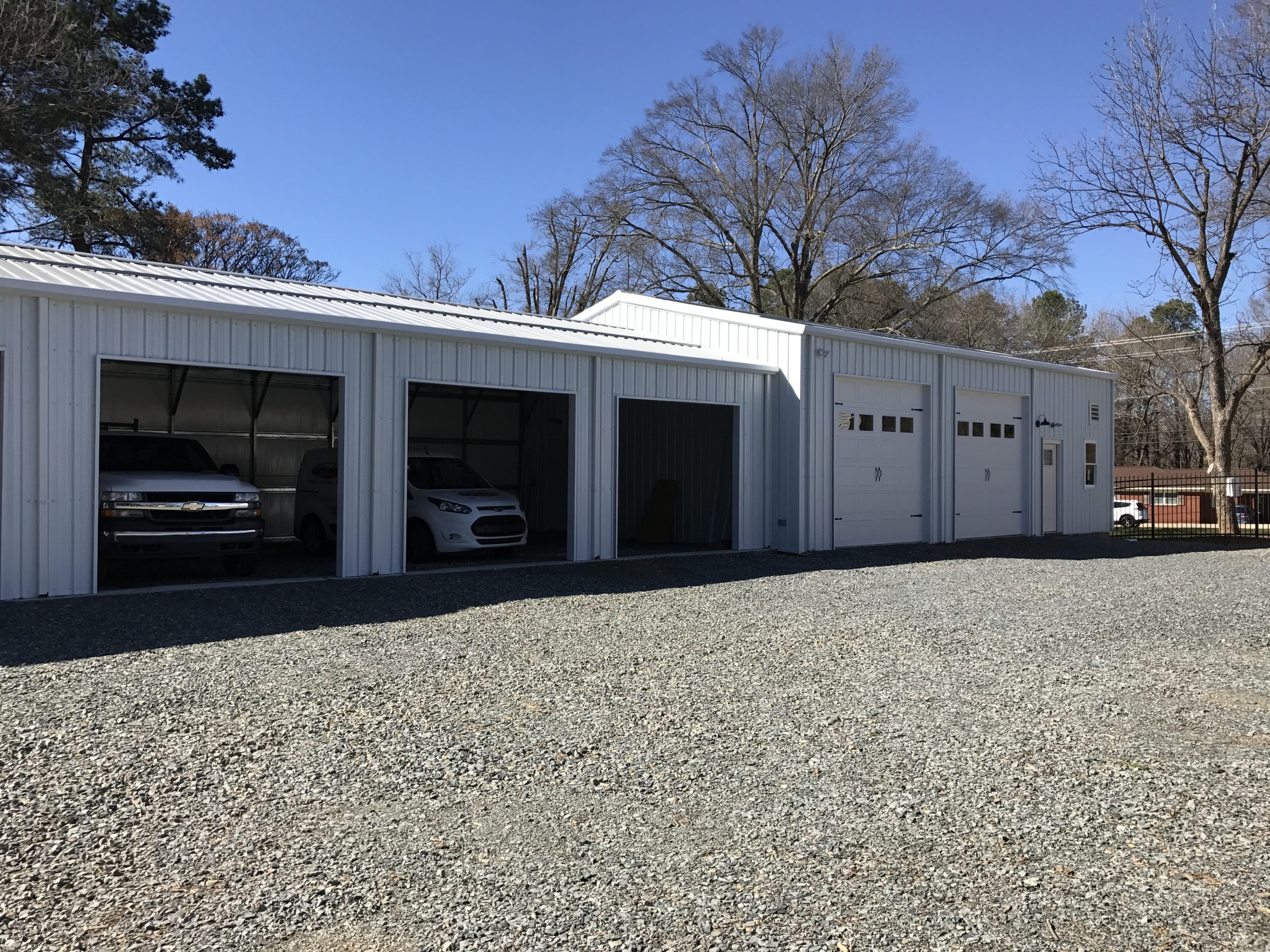
How to Prevent Moisture and Mold in Storage Buildings
How to Prevent Moisture and Mold in Storage Buildings
Moisture can quietly ruin a storage space before you even notice there is a problem. A damp storage building in Monroe, NC can lead to mold, mildew, musty smells, and damage to everything inside.
That is why storage building moisture control matters more than many property owners think. Simple steps like proper ventilation, sealing gaps, and managing humidity can make a big difference over time.
If you are trying to prevent mold in shed Monroe, NC, it helps to understand what causes moisture buildup in the first place. A little prevention now can save you from bigger headaches and costly damage later.
What Causes Moisture Buildup Inside Storage Sheds?
Moisture buildup inside a shed usually comes from a mix of outside conditions and inside habits. In many cases, the problem is not one big leak. It is a steady buildup of trapped humidity, poor airflow, and damp materials over time.
Outside Water is Only Part of The Problem
A lot of people assume moisture in a storage building must mean rain is getting in through the roof or walls. That can happen, but plenty of sheds develop dampness even without a major leak. Condensation, ground moisture, and humid air can all raise moisture levels inside.
Common Causes Of Moisture Buildup
Several issues often contribute to shed moisture:
- Poor airflow
When air cannot move through the building, humid air gets trapped inside and has nowhere to go. - Ground moisture rising up
If the shed is placed directly over damp ground or poorly prepared soil, moisture can move upward into the structure. - Temperature changes
Warm air meeting cooler surfaces can create condensation on walls, windows, tools, and metal objects. - Wet items stored inside
Putting damp hoses, lawn tools, mops, boots, or recently used equipment in the shed adds hidden moisture to the air. - Roof or siding gaps
Even small openings around seams, doors, windows, or rooflines can let in water over time.
Condensation is Often Overlooked
One of the biggest challenges in storage building moisture control is that moisture is not always visible right away. Condensation can form overnight, especially during seasonal changes, and leave behind damp surfaces that feed mildew and mold. That is why preventing moisture is often more effective than waiting until damage shows up.
How Can I Improve Ventilation in a Storage Building?
Improving ventilation is one of the best ways to reduce moisture inside a storage building. Better airflow helps humid air escape and allows drier air to move through the shed, which lowers the chance of condensation and mold growth.
Airflow Needs a Way in and a Way Out
Good ventilation works best when air can circulate instead of sitting still. A shed that is tightly closed with no air movement can trap warm, damp air, especially during humid weather. Even a well-built structure benefits from planned ventilation.
Practical Ways to Improve Shed Ventilation
Here are some effective ways to improve airflow:
- Add wall vents or gable vents
These help stale, humid air move out and allow fresh air to move in. - Use ridge vents when appropriate
For some shed styles, roof ventilation can help release trapped heat and moisture. - Keep vents clear
Ventilation only works if vents are not blocked by boxes, shelving, or stored items. - Open doors periodically
On dry days, opening the doors for a while can help flush out trapped humidity. - Avoid overpacking the interior
When items are crammed tightly together, air cannot circulate properly around them.
Ventilation Supports Long-Term Dryness
One of the simplest ways to prevent mold in shed in Monroe, NC is to avoid turning the building into a sealed box full of trapped damp air. Air movement helps protect both the structure and whatever you store inside it. For many property owners, ventilation is one of the easiest and most effective parts of storage building moisture control. You can also explore more about shed ventilation in this related guide.
Do Vapor Barriers Help Prevent Moisture Problems?
Yes, vapor barriers can help prevent moisture problems, especially when ground moisture is part of the issue. They are often an important layer of protection because they help reduce the amount of moisture rising from below the structure.
What a Vapor Barrier Actually Does
A vapor barrier is designed to limit moisture movement from the ground into the building. If a shed sits over damp soil or an area that stays wet after rain, that moisture can slowly affect the floor system and the air inside the building.
Where Vapor Barriers Matter Most
They are especially useful when:
- The site has poor drainage
- The ground stays damp for long periods
- The shed sits over exposed soil or crawl-type space
- Moisture tends to collect under the structure
Vapor Barriers Work Best With Other Moisture Control Steps
A vapor barrier is helpful, but it is not a complete solution by itself. For the best storage building moisture control, it should work alongside:
- Proper site grading
- Good ventilation
- A dry, stable foundation area
- Sealed gaps around the structure
Why Ground Protection Matters
Some shed owners focus only on the roof and walls, but moisture can be just as much of a problem from below. If you want to prevent mold in shed in Monroe, NC, controlling ground moisture is a smart part of the plan. A dry building starts with a dry site. For more on protecting long-term shed performance, see best storage buildings air barriers benefits.
What Materials are Most Resistant to Mold and Mildew?
Some materials handle moisture better than others, which makes them a better fit for long-term shed performance. If your goal is to reduce mold and mildew risk, the right material choices can make maintenance easier and help the building stay in better condition.
Moisture Resistance Starts With Smart Material Selection
No material is completely immune to poor conditions, but some are less likely to absorb moisture, break down, or support mold growth. That matters in a storage building in Monroe, NC where temperature swings and humidity can create a tougher environment than people expect.
Materials That Often Perform Better
Here are some common materials that can support better moisture resistance:
- Treated wood components
When wood is properly treated and used in the right places, it can better resist moisture-related damage. - Metal roofing
Metal roofing can shed water effectively and help reduce long-term leak risk when installed correctly. - Engineered siding products
Some siding materials are designed to handle weather exposure better than basic untreated surfaces. - Mold-resistant interior finishes
If interior finishing is part of the shed design, choosing moisture-tolerant products can help reduce future problems. - Composite or synthetic trim elements
These may perform better in damp conditions than some untreated alternatives.
Stored Materials Matter Too
It is not only the building materials that matter. What you keep inside matters just as much. Cardboard, fabric, untreated wood, and paper products absorb moisture easily and can become mold-prone quickly.
Using plastic bins instead of cardboard boxes is one of the easiest ways to improve storage building moisture control.
Better Materials Reduce Risk, Not Responsibility
Even moisture-resistant materials still need the right conditions. If the building stays wet, poorly ventilated, and overfilled with damp contents, mold can still develop. Material choice helps, but it works best as part of a bigger moisture prevention plan.
How Do I Keep Humidity Low Inside a Shed?
Keeping humidity low inside a shed means controlling both moisture sources and trapped air. The goal is not just to react when the shed feels damp. It is to create conditions that make excess humidity less likely in the first place.
Start By Reducing Moisture Sources
A lot of humidity problems come from what gets brought into the shed. Wet tools, recently used lawn gear, soaked extension cords, damp garden gloves, and even recently washed containers can all raise humidity levels indoors.
Practical Ways To Keep Shed Humidity Lower
For better storage building moisture control, try these strategies:
- Let wet items dry before storing them
This simple habit can make a big difference over time. - Use shelving to lift items off the floor
Keeping items elevated helps with airflow and reduces contact with floor moisture. - Store belongings in sealed plastic containers
These protect contents better than cardboard in humid conditions. - Improve airflow with vents or periodic door opening
Moving air helps reduce stagnant humidity. - Fix leaks and gaps promptly
Even small water entry points can keep humidity elevated. - Keep the surrounding site dry
Good drainage around the building helps reduce overall moisture exposure.
Interior Organization Matters More Than People Think
A cluttered shed traps humidity more easily because air cannot move around the contents. Spacing out storage, using hooks, and avoiding piles of crowded materials can help the inside stay drier.
Seasonal Attention Helps Prevent Bigger Problems
Humidity often becomes more noticeable during warm, wet seasons, but winter condensation can be a problem too. If you want to prevent mold in shed Monroe, NC, it helps to check the building during seasonal changes instead of waiting until mildew smells or stains appear.
Extra Tips to Prevent Mold in a Storage Building
Beyond the major steps above, a few everyday practices can go a long way in keeping your shed dry and usable.
Helpful Habits That Support A Healthier Shed
- Inspect the roof and door seals regularly
Small issues are easier to fix before they become major moisture problems. - Keep vegetation trimmed back
Bushes, grass, and vines too close to the shed can hold moisture around the structure. - Avoid storing soaked textiles or paper products
These can hold moisture and encourage mildew quickly. - Sweep out debris and dust
Dirt and organic debris can hold moisture and create a better environment for mold. - Check corners and hidden areas
Mold often begins in places that are dark, still, and rarely disturbed.
Prevention Is Easier Than Cleanup
Once mold begins growing inside a storage building, cleaning it up is more frustrating than stopping it in the first place. Prevention protects not only the building, but also the time and money you would otherwise spend replacing damaged contents.
Conclusion
Keeping moisture out of a storage building takes a little planning, but it can save you from a lot of trouble later.
Good ventilation, dry site conditions, smart material choices, and better storage habits all play a part in preventing mold and mildew. The goal is to stop moisture from building up before it starts causing damage.
When you stay ahead of the problem, you protect both the structure and everything inside it. A few simple steps now can help your shed stay cleaner, drier, and much easier to use all year long.
Keep Your Storage Building Dry, Clean, and Protected
A storage building in Monroe, NC should do more than give you extra space. It should help protect what matters inside. Moisture, mold, and trapped humidity can slowly damage both the structure and your belongings if the setup is not done right.
With better ventilation, smart site preparation, and the right materials, long-term protection becomes much easier. Better Built Structures helps property owners improve storage building moisture control and choose durable options that last. Explore utility storage shed options designed for practical, long-term use.
If you want to prevent mold in shed, our team is ready to help you find the right solution through Better Built Structures.