Table of Contents
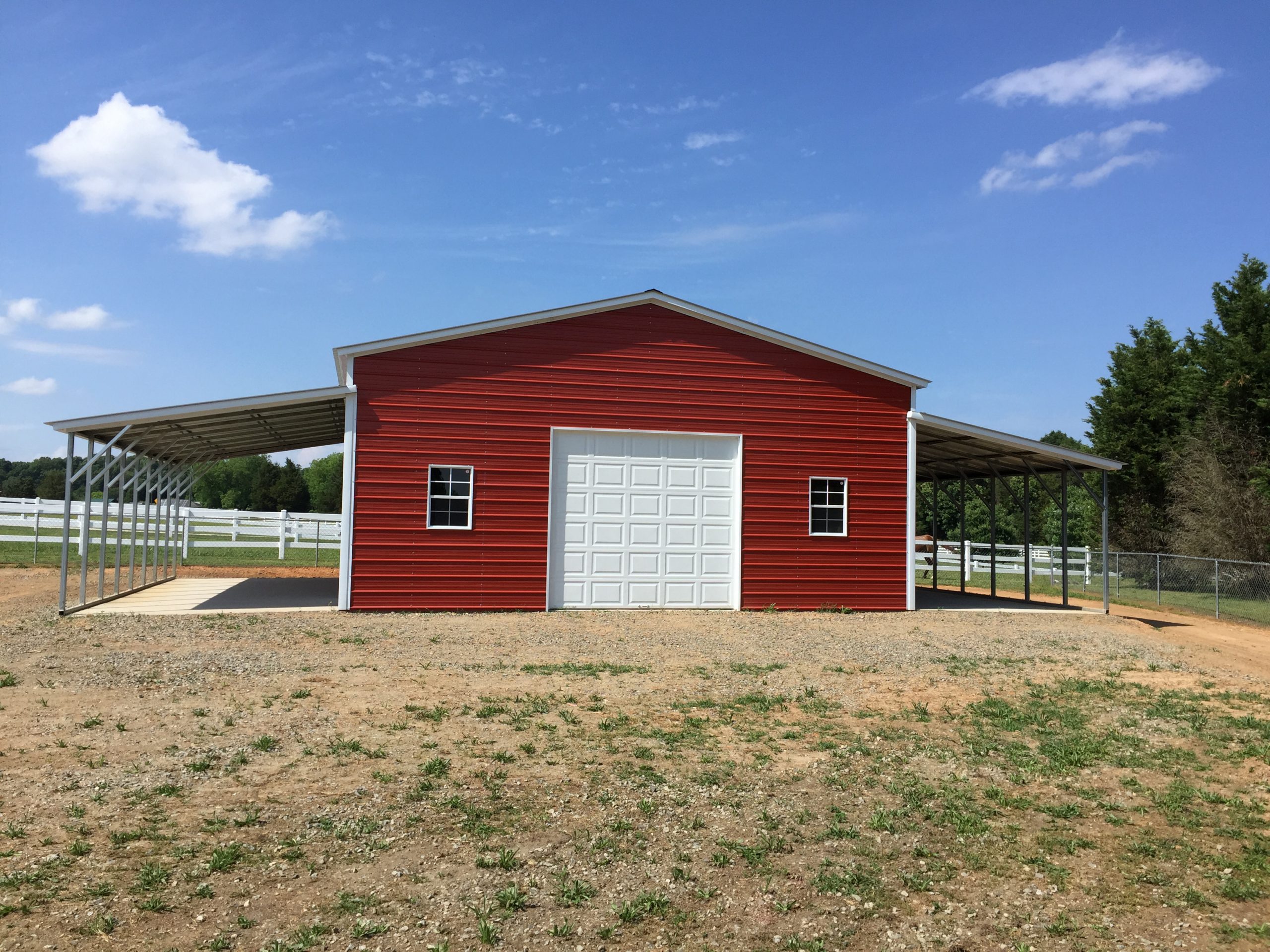
Thinking about adding a storage building to your property? Before you pick the style, size, or placement, there’s one thing you do not want to overlook: permits. Rules can vary depending on where you live, and skipping that step can lead to delays, fines, or having to move the building later.
In this article, we’ll break down the basics of storage building permits, what factors usually affect approval, and why it helps to check local rules early. If you are trying to understand shed permit requirements in Monroe, NC, this guide will help make the process feel a lot less confusing.
Do I Need a Permit to Build a Storage Shed?
In many cases, yes, you will need some level of local approval before adding a backyard shed or storage building. The tricky part is that the word “permit” does not always mean the same thing everywhere. In some places, you may need a building permit. In others, the process may begin with zoning review, site review, or both.
In Monroe, the Permit Center says it handles permitting under the North Carolina State Building Code and city ordinances. The city’s residential applications page also separates shed applications by size. That is a clear sign that shed projects are not treated like casual add-ons and should go through the city’s review process.
In Midland, the town lists a “Zoning Permit Application – Accessory Structure,” which shows that backyard structures are reviewed through the planning and zoning process. Midland’s FAQ also tells residents to contact the planning department to find out whether a building permit is needed.
For homeowners looking into storage building permits, the safest approach is to assume your project needs review unless your local office confirms otherwise. Even a small utility storage shed can trigger zoning rules about placement, setbacks, or use. A larger one may also need formal permit approval.
What Size Shed Requires a Building Permit?
Size is one of the biggest factors in determining permit requirements, but it is also one of the easiest things for homeowners to misunderstand. Local governments do not always use the same size threshold, and one town’s rules may be different from the next.
In Monroe, the city’s residential applications page clearly separates:
- Sheds over 12-foot by 12-foot and garages
- Sheds 12-foot by 12-foot and under or fences
That does not automatically mean smaller sheds are exempt from every type of approval. It does show, however, that Monroe treats these two size categories differently and uses separate application paths for them.
That distinction matters for anyone researching shed permit requirements Monroe, NC. A homeowner might assume a small shed falls outside the permit process, but Monroe’s own application structure suggests it is better to check the correct category instead of guessing. If the building is over 12 feet by 12 feet, the city clearly places it in a more formal group.
Outside Monroe, Union County Building Code Enforcement handles building permits in most parts of the county except Monroe and Waxhaw. That means size-based permit questions in those areas should go through the county instead of the city.
The practical takeaway is simple: before you order or place any Storage building, confirm the size threshold with the office that covers your property. Size can affect permit requirements, plan submissions, inspections, and where the building can legally be placed on the lot.
Are There Zoning Rules for Backyard Storage Buildings?
Yes, zoning rules are a major part of backyard shed approval, and they often matter just as much as the building permit itself. Zoning determines whether a storage building can go on your property in the first place, and if so, where it can be placed.
Midland makes this especially clear. The town provides a dedicated zoning permit application for accessory structures and explains that planning and zoning services administer development standards through the town’s ordinances.
Union County also explains that its planning department handles current planning standards embodied in development ordinances, which means zoning and land-use rules can affect what residents are allowed to build.
In practical terms, zoning rules for a backyard storage building often involve questions like:
- Where can the building go?
Setback rules may control how close the shed can sit to side property lines, rear property lines, easements, or the main house. - Is the structure considered accessory use?
Most backyard sheds are treated as accessory structures, which means they are secondary to the main residence and subject to specific standards. - Could your lot have special constraints?
Corner lots, HOA restrictions, utility easements, flood-prone areas, and unusual lot shapes can all affect placement, even when a shed seems straightforward.
Monroe’s planning department also notes that its permit functions involve zoning, erosion control, stormwater, water and sewer, and fire review. That shows how site conditions can shape approval requirements.
So yes, zoning absolutely matters. For many homeowners, it is the part of storage building permits that causes the biggest surprises, because the issue is not just whether the building is allowed, but whether it is allowed in that exact location on that specific property.
How Do Local Regulations Affect Shed Installation?
Local regulations affect almost every part of shed installation, from paperwork to placement to inspections. That is why a storage building project that seems simple on paper can still require several local approvals before the first skid or slab is installed.
First, local jurisdiction determines where you even apply. In Monroe, the city’s Permit Center handles permitting. In most other parts of Union County, the county’s Building Code Enforcement office handles building permits. Midland adds its own zoning review for accessory structures.
Second, local rules affect documentation. Monroe’s Permit Center says staff routes submitted materials to the appropriate departments and makes sure approvals are obtained before a permit is issued. That means your shed project may involve more than one basic form, depending on the size and location of the building.
Third, local regulations affect timing. Inspections, plan review, and coordination between departments can all change how quickly a shed can be installed. Union County’s system includes online permitting and inspection requests, which shows that permit review is an actual process, not just a simple box to check.
Fourth, local regulations affect site-specific design decisions. A storage building that fits well on one property may need changes on another because of setbacks, grading, access, stormwater issues, or nearby utilities. Monroe’s planning department specifically lists the following permit-related functions:
- Zoning
- Erosion control
- Stormwater
- Water and sewer
- Fire review
For anyone comparing shed permit requirements in Monroe, NC, this is the bigger lesson: local rules do not just decide whether you need a permit. They also shape how the project must be designed, placed, and installed from start to finish.
What Happens If I Build a Shed Without a Permit?
Building without the required permit or approval can create real problems, even if the shed itself seems harmless. The biggest issue is that the structure may end up violating building code, zoning rules, or both.
If a local jurisdiction finds an unpermitted storage building, you may be required to:
- Stop work
- Apply retroactively
- Pay additional fees
- Revise the installation
- Move the structure
- Remove it completely if it cannot be brought into compliance
The exact enforcement response depends on the jurisdiction, but the overall risk is the same. The local authority still has the power to enforce its code and ordinance requirements after the fact.
There is also the issue of future property sales. Unpermitted structures can complicate home sales, appraisals, inspections, and insurance questions because buyers and lenders may want proof that permanent or semi-permanent additions were approved properly. That is one reason storage building permits are not just paperwork. They help show that the project was reviewed through the proper channels.
Conclusion
From a practical standpoint, building first and asking questions later usually creates more hassle than checking the rules upfront.
A short call to Monroe’s Permit Center, Midland’s planning office, or Union County Building Code Enforcement is much easier than trying to fix an unapproved project after installation.
So if you are planning a storage building, the smartest move is to verify the applicable shed permit requirements in Monroe, NC before delivery or installation. That protects your time, your budget, and the long-term value of the project.
Build With Confidence With Better Built Structures
For homeowners trying to sort out storage building permits and shed permit requirements Monroe, NC, the smartest first step is always to verify the rules before installation begins. Doing that early can help you avoid delays, placement mistakes, and costly corrections later.
At Better Built Structures, we know homeowners want a storage building that is useful, attractive, and installed the right way. If you are planning a new shed or outdoor structure, our team can help you move forward with confidence while keeping local approval requirements top of mind. You can also explore more local insights in our Monroe storage building resource guide.