Table of Contents
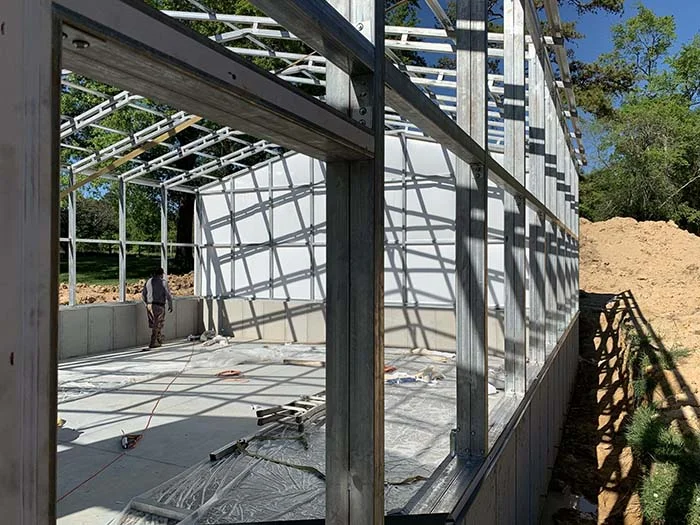
A well-built storage shed can last anywhere from 15 years to more than 40 years, depending on its material, construction quality, climate, and maintenance. Wood sheds often last 20 to 30 years, metal sheds commonly last 15 to 25 years, and quality vinyl sheds can remain serviceable for 20 to 30 years or longer.
The biggest factor is not material alone. Proper installation, drainage, ventilation, weather protection, and routine care strongly influence how long a shed remains structurally sound, secure, and useful, potentially adding many years to its service life.
Which Storage Shed Material Lasts The Longest?
There is no single material that always lasts the longest in every environment. The real Storage Shed Lifespan depends on how well the material handles local moisture, heat, sunlight, wind, pests, and routine wear.
Wood, metal, and vinyl can all provide long service when the building is properly designed and maintained. Each material fails in different ways, so the best long-term choice depends on the conditions around the shed and how much maintenance the owner is prepared to perform.
Wood can last for decades with consistent care
Wood remains one of the most durable shed materials when it stays dry and protected. Pressure-treated framing, quality siding, proper roof overhangs, and good site drainage can substantially extend its useful life.
The main threats are moisture, rot, insects, peeling finishes, and water entering through damaged roofing or siding. When those problems are addressed early, wood can remain strong for many years.
A well-built wood shed also has an advantage in repairability. Individual boards, trim pieces, doors, or roof sections can usually be replaced without rebuilding the entire structure.
Metal is durable but vulnerable to corrosion
Metal sheds resist insects, rot, and many forms of biological deterioration. Galvanized or coated steel can perform well for decades when protective finishes remain intact.
However, scratches, exposed fasteners, condensation, and standing water can encourage rust. Coastal air, heavy humidity, and poor ventilation may shorten the life of lower-quality metal buildings.
Vinyl performs well with minimal upkeep
Vinyl sheds resist rot, insect damage, and corrosion. They do not need painting and generally tolerate rain and humidity well.
When comparing Wood vs. Metal vs. Vinyl Sheds, the longest-lasting option is usually the one that best matches the site and receives appropriate maintenance.
How Many Years Does A Wood Storage Shed Last?
A wood shed commonly lasts 20 to 30 years, and a well-constructed building can last longer when moisture is controlled and maintenance is performed consistently.
Wood is a structural material that can remain strong for decades, but it does not tolerate prolonged moisture exposure. The most important factor is keeping the framing, floor, siding, and roof dry.
What causes wood sheds to deteriorate?
Water is the main cause of premature failure. Roof leaks, poor drainage, soil contact, overflowing gutters, and vegetation against the walls can all keep wood damp.
Repeated wetting allows rot fungi to attack boards, floor joists, siding, and framing. Insects may also become a problem when damaged or damp wood provides an attractive environment.
Sun exposure can cause paint and stain to break down. Once a protective finish cracks or peels, moisture can penetrate more easily.
Why construction quality matters
A shed made from properly treated lumber, sound framing, durable siding, and a quality roofing system will normally outlast a poorly built structure made from thin or untreated materials.
The floor system is especially important. Floor joists and skids should be protected from direct ground contact unless they are specifically rated for that use.
Roof design also matters. Adequate slope, overhangs, flashing, and durable roofing materials reduce the amount of water reaching the walls.
Signs a wood shed needs attention
Inspect the lower edges of siding, corners, door frames, roof penetrations, and floor edges at least once or twice each year.
Soft wood, dark staining, peeling paint, swollen panels, loose shingles, or musty smells should be investigated promptly.
Small repairs are usually inexpensive compared with replacing rotted framing. Repainting, resealing joints, replacing damaged siding, and correcting drainage can add many useful years to wood Storage Sheds.
What Is The Lifespan Of A Metal Storage Shed?
A metal shed often lasts about 15 to 25 years, although high-quality galvanized steel buildings can last longer with proper installation and corrosion control.
Metal does not rot and is not attractive to termites, which removes two common sources of deterioration. The main long-term concern is corrosion.
Rust determines the life of many metal sheds
Steel sheds usually depend on galvanization, paint, powder coating, or another protective finish to keep moisture away from the metal.
When the coating is scratched or damaged, exposed steel can begin to oxidize. Small rust spots may remain cosmetic for years, but unchecked corrosion can eventually weaken panels, seams, fasteners, and door tracks.
Water trapped at the base of a wall is especially damaging. A level pad with good drainage helps keep runoff away from the lower panels.
Condensation can damage a metal shed from the inside
Metal changes temperature quickly. When warm, moist air contacts a cool metal roof or wall, condensation can form on the interior surface.
Repeated condensation can damage stored items and accelerate corrosion around screws, seams, and unfinished edges.
Ventilation is therefore important. Roof vents, wall vents, or properly designed airflow can reduce trapped humidity.
Wind and impact also matter
Metal sheds are lightweight compared with many wood structures. Proper anchoring is important in areas that experience strong winds or severe storms.
Quality matters greatly. Heavier-gauge steel, reinforced doors, corrosion-resistant fasteners, and better coatings generally contribute to a longer service life.
Do Vinyl Sheds Hold Up In Extreme Weather?
Quality vinyl sheds can perform well in rain, humidity, and moderate temperature extremes, but their resistance to severe weather depends on material thickness, reinforcement, anchoring, and overall design.
Heat and sunlight can affect vinyl
Ultraviolet radiation gradually changes many plastics. Better shed materials include UV stabilizers that slow fading, chalking, and brittleness.
Lower-quality plastic can warp over time, especially if the building sits on an uneven base. That is why foundation preparation still matters even when the shed itself is lightweight.
Cold weather creates different stresses
Vinyl can become less flexible at low temperatures. A hard impact that would cause only a small mark in warm weather may crack brittle material during extreme cold.
Strong wind is often the bigger concern
A lightweight vinyl shed must be anchored properly. Panels may be durable, but wind can place significant pressure on doors, roof sections, and connection points.
A stable base and manufacturer-approved anchoring system help prevent movement or uplift.
Which Shed Material Requires The Least Amount Of Maintenance?
Vinyl generally requires the least routine maintenance. It does not need painting, does not rust, and is not vulnerable to rot or termite damage.
Metal maintenance is usually moderate
Metal sheds are also relatively low maintenance, but they require more attention to scratches, rust, condensation, and loose fasteners.
Owners should also check door tracks and hinges. Metal components can bind or corrode if dirt and moisture accumulate.
Wood requires the most ongoing care
Wood sheds generally need the most maintenance because the material is affected by moisture, insects, and weathering.
Paint or stain may need periodic renewal depending on exposure. Caulk can shrink or crack. Roofing, trim, and lower wall areas should be inspected for water entry.
The right choice depends on priorities. Someone who wants minimal upkeep may prefer vinyl. A homeowner who values repairability and customization may be comfortable with wood. Metal may suit someone seeking affordability and simple maintenance.
How Can I Extend The Lifespan Of My Outdoor Shed?
The most effective way to extend a shed’s life is to control water, maintain a stable base, repair small problems early, and keep the structure properly ventilated.
Start with a stable, well-drained base
A shed should sit on a base that supports its weight evenly and keeps water from collecting underneath.
Gravel pads are common because they provide drainage and reduce soil contact. Concrete slabs can also work when correctly prepared.
An uneven base can cause doors to stick, wall panels to separate, roofing to shift, and floors to sag. Check the building periodically for settlement, especially during the first few years.
Keep water away from the structure
Direct roof runoff away from walls and the foundation area. Clean gutters if the shed has them.
Trim shrubs and vegetation so air can circulate around the exterior. Plants that touch walls can hold moisture against siding and hide damage.
Avoid allowing mulch, soil, or leaves to pile against the lower edges of the building.
Inspect the roof every year
The roof is the shed’s main defense against water.
Look for missing shingles, loose panels, cracked sealant, damaged flashing, exposed fasteners, or sagging areas. Repair problems quickly before water reaches the interior.
After severe storms, inspect the roof even if there are no obvious leaks.
Maintain doors, windows, and hardware
Doors often show foundation movement before other parts of the structure.
If a door begins dragging or no longer latches properly, check the base rather than forcing the hardware.
Lubricate hinges and latches when needed. Replace damaged weatherstripping and seal gaps around windows.
Control interior moisture
Do not store wet lawn equipment, soaked tarps, or damp firewood in a closed shed for long periods.
Provide ventilation so moisture can escape. Airflow is particularly important in metal buildings where condensation may form rapidly.
A dry interior protects both the building and the items stored inside.
Match maintenance to the material
Wood should be repainted or restained when the finish begins breaking down. Damaged boards should be replaced before rot spreads.
Metal should be checked for scratches and early rust. Clean the affected area and apply an appropriate protective coating.
Vinyl should be washed with mild soap and water. Avoid harsh chemicals that may damage the surface.
Anchors, fasteners, and connections should be checked on all shed types, particularly after high winds or major storms.
Final Thoughts
A storage shed can remain useful for decades when the material, construction, site preparation, and maintenance all work together. Wood commonly offers excellent longevity and repairability but needs regular protection from moisture. Metal provides durability with moderate upkeep but requires corrosion control. Vinyl delivers low maintenance and strong resistance to rot, although heat, cold, and wind still matter. The best choice depends on climate, budget, appearance, and maintenance expectations. Whatever material you choose, proper drainage, anchoring, ventilation, and timely repairs can significantly extend the building’s service life for many years.
Choose A Shed Built For Long-Term Use
A shed should do more than provide extra storage today. It should remain stable, secure, and practical for many years.
At Better Built Structures, customers can compare building styles, materials, sizes, and configurations based on how they plan to use the space. A backyard shed for lawn equipment has different needs from a workshop, garden building, or larger utility structure.
Site conditions should also be considered before delivery. Drainage, grade, access, foundation preparation, and surrounding vegetation can affect how well any shed performs over time.
Choosing quality construction at the beginning can reduce repairs later. Proper framing, durable roofing, weather-resistant siding, secure doors, and an appropriate foundation all contribute to a longer-lasting building.
If you are comparing shed options, Better Built Structures can help you evaluate practical choices for your property and intended use. Select a design that fits your needs, prepare the site correctly, and maintain the building according to its material. Those decisions can help protect your investment and keep your storage space useful for years.