
Table of Contents
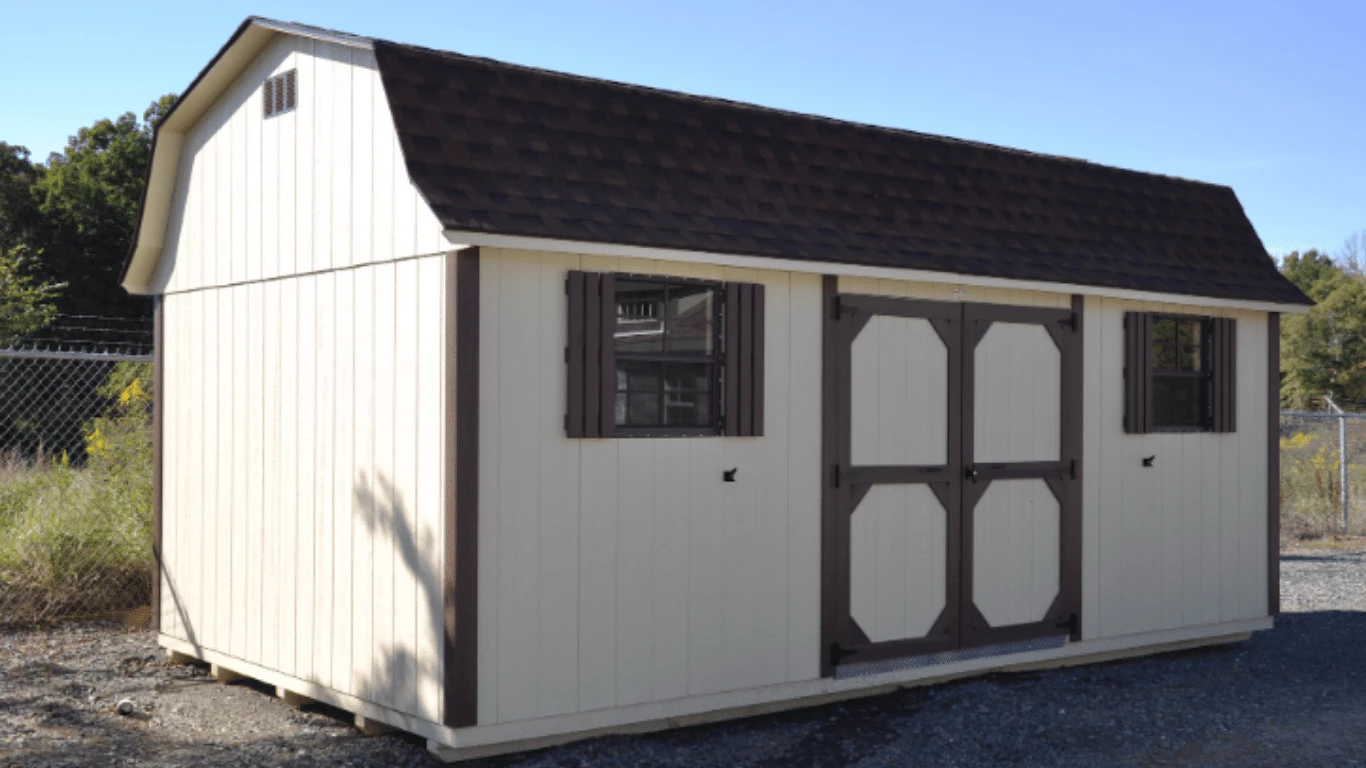
What Are The Most Important Features In A Storage Building?
The most important features are structural strength, weather protection, practical access, usable interior space, ventilation, and durability. Appearance matters, but performance determines whether the structure protects belongings over time.
Start With The Frame And Exterior
Check the framing, siding, roofing, and floor strength. These components carry the building and protect stored items from moisture and pests.
Wood framing is strong and customizable. Metal framing also performs well when engineered for the intended load and protected against corrosion. Buyers comparing materials may also want to review the benefits of wooden storage sheds.
The roof should shed rain efficiently and direct water away from vulnerable edges.
Look At Access And Layout
Door width should match the largest item you expect to move inside. Lawn equipment, motorcycles, and bulky furniture may require double doors.
Compare floor space, wall height, and door placement instead of relying only on advertised size. Well-planned storage buildings make items easier to organize and retrieve.
Should I Choose A Storage Building With Windows And Ventilation?
Windows and ventilation are useful when the building is entered regularly, stores moisture-sensitive items, or needs better airflow. Every opening should serve a purpose because windows affect privacy, security, and wall space.
Benefits Of Windows
Windows provide natural light, making it easier to find tools or complete small projects during the day.
They also make the interior feel less enclosed. If the building will serve as a hobby area, workshop, or gardening space, windows can improve comfort.
Why Ventilation Matters
Ventilation helps move warm, humid air outside. Ridge vents, soffit vents, or gable vents can reduce condensation when properly designed. Understanding shed ventilation and its impact on structure longevity can help when comparing airflow options.
For buyers considering storage buildings in Monroe, NC, ventilation can be useful during humid periods and seasonal temperature changes.
Windows alone may not provide enough airflow. A dedicated venting system works more consistently without requiring the building to remain open.
What Type Of Foundation Is Best For A Storage Building?
The best foundation depends on building size, soil conditions, drainage, local requirements, and intended use. It should keep the structure level, support its weight, and limit ground moisture. A detailed shed foundation guide can help explain how different base options compare.
Gravel Pads
A compacted gravel pad works for many sheds and portable buildings. It supports drainage and creates a stable base when prepared correctly.
The pad should extend beyond the footprint and be compacted properly. Poor preparation can cause settling and door alignment problems.
Concrete Slabs
Concrete suits heavier buildings, workshops, garages, and structures needing a permanent floor. It provides strong support and a clean interior surface.
It costs more and requires greater site preparation. Grading still matters because water should move away from the slab.
Piers And Blocks
Concrete piers or approved block systems can suit certain prefabricated buildings. They elevate the structure and reduce direct ground contact.
Avoid placing a building on bare soil. Site preparation strongly affects floor level, door operation, and long-term performance, which is why proper ground preparation for storage buildings matters before installation.
How Important Is Insulation In A Storage Building?
Insulation matters when temperature control, condensation reduction, or year-round comfort is important. It is less necessary when the building stores durable outdoor equipment and does not require a controlled environment.
When Insulation Makes Sense
Consider insulation for electronics, paper records, hobby supplies, finishes, or belongings affected by temperature swings.
It is also useful if the building may later become a workshop, office, studio, or conditioned hobby space. Installing insulation during construction is often easier than retrofitting finished walls.
Insulation Needs A Complete Plan
Insulation works best with ventilation, air sealing, and moisture management. Roofs, walls, floors, and vents should work together. Buyers evaluating building-envelope performance may also benefit from learning about air barriers in storage buildings.
Insulation alone does not prevent condensation. Moist air can still collect inside a poorly ventilated structure.
What Security Features Should A Storage Building Have?
A secure building should have strong doors, quality hinges, reliable locks, and few weak points around windows or secondary entrances. Security should reflect what is stored inside.
Prioritize Doors And Hardware
A heavy-duty door is only as secure as its frame, hinges, latch, and fasteners. Exterior hinges should resist tampering, and lock hardware should be mounted securely.
For valuable equipment, consider a deadbolt, protected hasp, or reinforced locking system. Avoid lightweight hardware that can be easily pried away.
Add Visibility And Monitoring
Motion lighting can discourage unwanted activity. Cameras, alarms, or door sensors may also be useful when expensive tools, business equipment, or recreational gear are stored inside.
Windows should have secure latches. Curtains, blinds, or careful placement can reduce visibility.
Are Lofts And Shelving Worth Adding To A Storage Building?
Lofts and shelving are often worthwhile because they increase usable storage without requiring a larger footprint. Their value depends on ceiling height, access, and what you plan to store.
Use Lofts For Light, Infrequent Items
A loft works well for seasonal decorations, empty containers, camping gear, and other lightweight items that are not needed every week.
Do not overload loft areas. Confirm weight capacity and framing before placing dense materials or heavy equipment overhead.
Shelving Keeps Floor Space Available
Wall-mounted shelves work well for tools, garden supplies, bins, and household items. Adjustable shelving offers flexibility as needs change.
Pegboards, hooks, tool rails, and racks can keep frequently used items accessible. Vertical organization leaves floor space open for larger equipment. Additional storage building accessories can also improve organization and functionality.
Plan storage before construction. Door locations, windows, outlets, and wall studs affect where shelves and lofts fit best.
How Do I Choose A Durable Storage Building?
Choose durability by evaluating materials, construction methods, weather resistance, warranties, and maintenance needs instead of appearance alone. A durable building should remain stable, dry, and functional through years of seasonal changes.
Compare Materials Carefully
Look for quality siding, protected floor components, strong framing, reliable roofing, and corrosion-resistant fasteners where appropriate.
Ask how the building manages water at roof edges, corners, doors, and floor transitions. These areas receive heavy exposure and can reveal weaknesses in construction.
Consider Maintenance Requirements
Every material requires some care. Painted wood may need periodic coating. Metal components should be checked for scratches or corrosion. Roofing, caulk, seals, and drainage should be inspected regularly.
Consider repairability too. A material that can be maintained or replaced easily may offer better long-term value than a system that is difficult to service.
Match Construction To The Site
Durability also depends on placement. Poor drainage, low areas, branches, and constant ground moisture can shorten the life of a well-built structure.
Choose a location with practical access and good water management. Leave enough clearance for inspection, cleaning, painting, and repairs.
Key Takeaways
A good storage building combines strong construction, weather protection, practical access, ventilation, security, and enough flexibility for changing storage needs. Foundation quality matters because an unstable base can affect the entire structure. Insulation is valuable when temperature control or future workspace use is important, while lofts and shelving can improve organization without increasing the footprint. Compare materials, drainage, doors, hardware, and maintenance requirements before buying. The best choice is not simply the largest building. It is the one designed for your property, belongings, budget, long-term use and everyday convenience.
Build Around The Way You Actually Store
Better Built Structures can help you compare building sizes, layouts, access options, foundations, ventilation, and storage upgrades based on how you plan to use the space. Whether you need room for lawn equipment, tools, seasonal belongings, or a more organized backyard, our team can help you consider practical choices before buying and select a structure that supports your needs for years.