Table of Contents
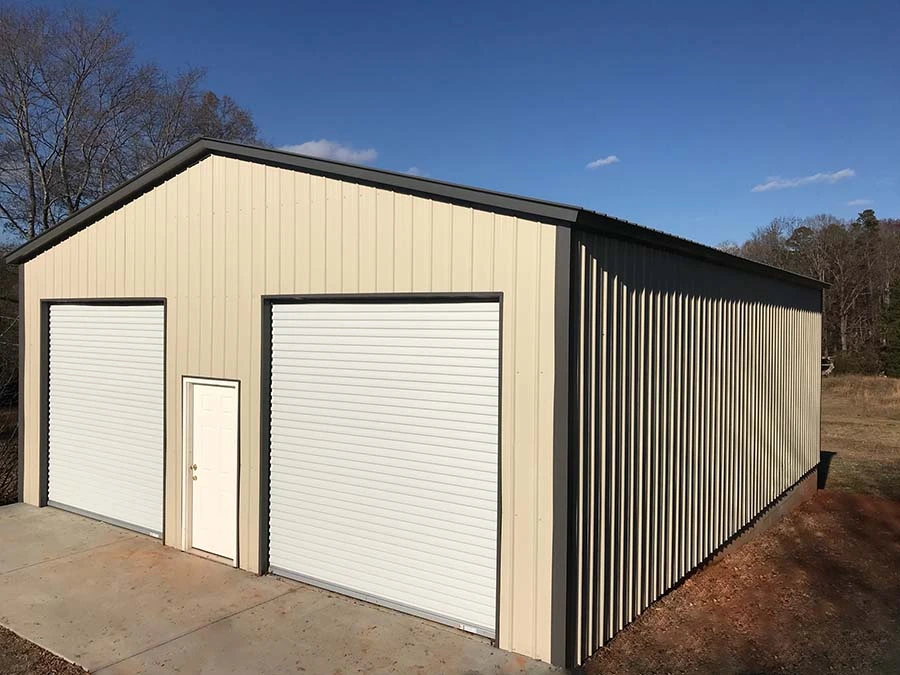
Several elements shape the final price. The main factors are size, construction material, roof design, foundation type, doors, windows, interior features, labor, delivery, and local requirements.
A basic shed with standard materials costs less than a building designed for equipment, workshop use, or finished interior space. Comparing available storage building options can help buyers understand how design and construction choices affect pricing.
Materials and Construction Quality
Framing thickness, siding quality, roofing, floor systems, fasteners, and weather protection all affect price. Lower-cost buildings may use lighter materials, while premium models often include stronger framing, better flooring, and longer-lasting exterior finishes.
Buyers comparing wood, vinyl, and metal storage sheds should review construction specifications rather than focusing only on the advertised price.
Site Preparation and Installation
The site must be level, accessible, and properly drained. Gravel pads, concrete slabs, grading, tree removal, and delivery equipment can add to the project total.
Permit fees and homeowner association requirements may also create extra expenses. Buyers should ask whether installation, delivery, and site preparation are included in the quote. A detailed guide to shed foundations can help homeowners understand common preparation requirements.
Does Building Size Significantly Affect Cost?
Yes. Size is one of the strongest influences on total cost because larger buildings require more framing, roofing, siding, flooring, and labor.
However, the price does not always increase at the same rate as square footage. Some fixed costs, such as delivery, design, and setup, may remain similar between two nearby sizes.
Think Beyond Current Storage Needs
Homeowners should list everything they plan to store and estimate future needs. Buying too small may lead to overcrowding or another purchase later.
At the same time, oversized storage buildings can cost more to prepare, maintain, and permit. The best size provides clear walking space, accessible storage zones, and enough room for reasonable growth.
Door width, wall height, and loft capacity should also be considered. A well-designed smaller building may hold more than a poorly arranged larger model. Reviewing the different types of storage buildings can make it easier to match the structure to the intended use.
Are Metal Storage Buildings Cheaper Than Wood?
Metal buildings are often cheaper than comparable wood buildings, especially at basic sizes and specifications. They use prefabricated panels and may require less assembly labor.
The initial price is only part of the comparison. Thin metal panels can dent, transfer heat, create condensation, or rust when protective coatings are damaged. Better metal models cost more because they use reinforced framing, coated panels, stronger anchors, and improved ventilation.
Wood buildings usually have a higher starting price, but they offer easier customization, stronger wall mounting options, and a residential appearance. Homeowners considering natural materials can explore the benefits of wooden storage buildings.
Compare Similar Specifications
A low-cost metal shed should not be compared directly with a fully framed wood building. Buyers should compare floor systems, roof strength, wall framing, warranties, doors, and foundations.
Vinyl or composite siding may increase the price of a wood-framed building, but it can reduce routine exterior maintenance. The most affordable material depends on expected lifespan, climate, appearance, and repair needs.
How Do Customization Options Impact Pricing?
Customization can change the total price significantly. Some upgrades add only modest cost, while structural changes, finished interiors, and utility connections can increase the budget quickly.
Common options include windows, double doors, ramps, lofts, shelving, vents, porches, shutters, upgraded roofing, custom paint, insulation, and electrical service. Choosing the right storage building accessories can improve usability without adding unnecessary features.
Practical Upgrades Versus Decorative Upgrades
Practical features should come first. Wide doors, ramps, reinforced flooring, and ventilation can improve access and protect stored items.
Decorative trim, premium colors, and porch details improve appearance but may not increase storage performance. Homeowners should decide which visual upgrades are important before approving the final design.
Interior finishing can be expensive because it may require insulation, wall panels, electrical work, climate control, and code compliance. A building intended only for storage may not need these features.
Standard sizes generally provide better pricing.
Does Location Affect Storage Building Costs?
Yes. Location affects labor rates, material availability, delivery distance, permits, climate requirements, and site conditions.
A property with narrow access, steep slopes, soft soil, trees, fences, or overhead lines may require extra planning and equipment. These conditions can increase delivery and installation costs.
Local weather also matters. Areas with heavy rain, strong winds, high humidity, or temperature extremes may require upgraded roofing, anchors, ventilation, drainage, or moisture-resistant materials.
Local Rules Can Add Costs
Zoning setbacks, building permits, inspections, and homeowner association approvals vary by location. Some projects may require drawings, foundation specifications, or electrical permits.
Buyers researching storage buildings in Monroe, NC should confirm local placement rules, permit requirements, delivery access, and recommended site preparation before selecting a model.
What Financing Options Are Available for Storage Buildings?
Financing options may include traditional loans, retailer financing, credit cards, personal loans, home equity products, and rent-to-own plans. Availability depends on the provider, purchase amount, credit profile, and building type.
Retailer financing may offer fixed monthly payments or promotional periods. Buyers should review the interest rate, loan term, fees, late payment rules, and total repayment amount.
Rent-to-own plans can provide easier qualification, but the total cost may be higher than paying cash or using standard financing. Homeowners considering this option should compare the terms of available rent-to-own storage buildings.
Compare Total Cost, Not Monthly Payment
A low monthly payment may be connected to a longer term and more interest. Buyers should calculate the full amount they will pay before signing.
Home equity financing may offer lower rates, but it places the home at risk if payments are missed. Personal loans do not use the home as collateral, although rates may be higher.
A reasonable down payment can reduce borrowing costs.
How Can I Save Money When Buying a Storage Building?
The best way to save money is to choose the right size, prioritize essential features, and compare complete quotes. Buying the cheapest model without reviewing specifications can create higher repair or replacement costs later.
Standard sizes and designs usually cost less than custom layouts. Simple rooflines, limited windows, standard colors, and basic trim can reduce the price without weakening performance. Reviewing how shed costs compare across different styles can help buyers identify practical ways to control the budget.
Prepare the Site Carefully
Site preparation can become expensive when drainage, access, or grading problems are discovered late. Evaluate the location before ordering the building.
A properly prepared gravel pad may be more affordable than a concrete slab for some projects. The correct foundation depends on building size, soil, use, and local requirements.
Buy for Function
Spend money on strong flooring, secure doors, weather protection, and ventilation before decorative upgrades. Ask whether shelving or ramps can be added later.
Compare warranties, delivery fees, installation costs, and maintenance needs.
Paying a larger deposit or choosing a shorter financing term may also reduce total interest.
Build Around Your Budget and Priorities
A storage building should solve a practical need without creating unnecessary financial pressure. Better Built Structures can help homeowners compare sizes, materials, foundations, access features, and optional upgrades based on the property and intended use.
Start with a clear storage list and a realistic total budget. Include site preparation, delivery, permits, and future maintenance when comparing options.
A focused overall plan makes it easier to invest in structural quality while avoiding features that provide little value. The result should be a dependable building that remains useful, accessible, and affordable over time.
Key Takeaways
Storage building costs are shaped by:
- Size
- Materials
- Construction quality
- Site preparation
- Delivery
- Permits
- Customization
Larger or more detailed buildings usually cost more, although standard designs often provide better value per square foot. Metal may have a lower starting price, while wood offers flexibility and easier modification.
Buyers should compare project costs, financing terms, warranties, and maintenance requirements. Careful planning can reduce unnecessary expenses. The smartest purchase balances durability, useful features, proper installation, and a realistic budget instead of selecting a model based only on the lowest advertised price.