
Table of Contents
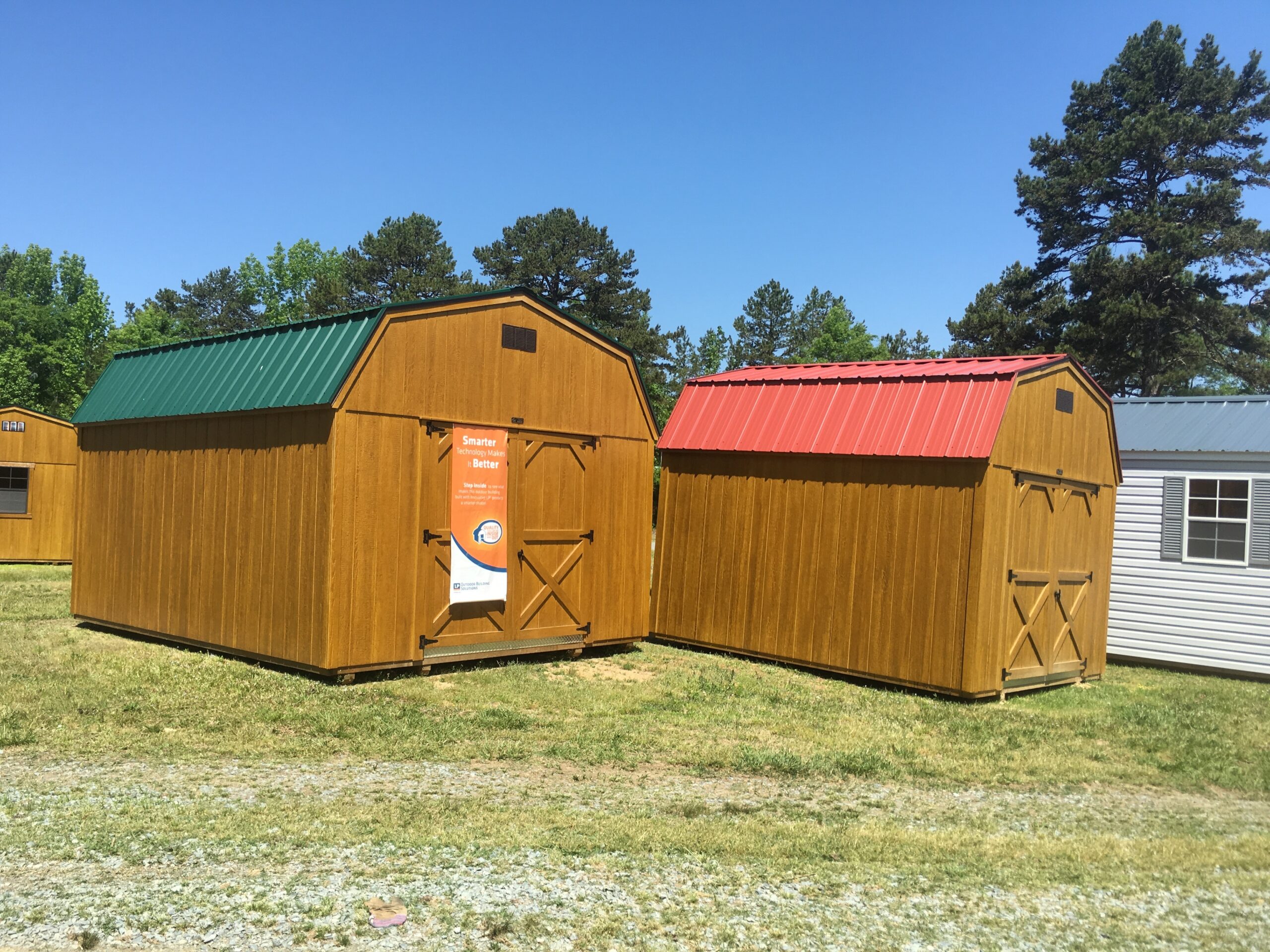
Metal storage buildings are usually better for long-term use because they resist rot, pests, fire, and moisture damage better than wood. Wood storage buildings can last for years, but they need more upkeep to stay strong.
The better choice depends on your property, climate, budget, and storage goals. For many homeowners, metal offers stronger durability, protection, and lower maintenance over time.
Do metal storage buildings last longer than wood buildings?
In most cases, metal storage buildings last longer than wood buildings when both are installed correctly. Steel does not rot, warp, or attract termites. That gives metal an advantage in humid areas, rainy seasons, and changing temperatures.
Wood can also last a long time, but its lifespan depends on care. Paint, stain, sealant, ventilation, and pest control all matter. If neglected, wood can absorb water, soften, crack, or develop insect damage.
Why lifespan should guide the decision
A storage building protects equipment, tools, furniture, seasonal items, and supplies. If the structure weakens early, repair is only part of the problem. Damaged belongings can cost even more.
Metal is often preferred for dependable protection with fewer material-related risks. If you’re comparing different options, explore the available metal storage buildings to see how they perform in long-term outdoor conditions.
Which type of storage building requires less maintenance?
Metal usually requires less maintenance than wood. It may need occasional washing, fastener checks, panel inspections, and touch-up paint if scratches expose bare metal.
Wood needs more routine care, including repainting, sealing, staining, caulking, pest inspections, and board repairs. Moisture-prone areas need closer attention.
Maintenance changes the real cost
The purchase price does not tell the full story. Long-term maintenance can add time, labor, and material costs.
Homeowners who want a simple structure often choose metal because it reduces repeated exterior treatments. This is one reason many buyers choose a durable metal storage shed for lawn equipment, backyard storage, and household overflow.
Are metal storage buildings more weather-resistant than wood?
Metal buildings are generally more weather-resistant than wood buildings. Properly coated steel handles rain, sun, pests, and fire risk when installed and anchored correctly.
Wood performs best when it is sealed and maintained. Without protection, moisture can cause swelling, mildew, rot, or weakened boards.
Weather resistance still depends on placement
No material performs well in standing water or on unstable ground. A level base, drainage, and secure anchoring are essential.
Metal sheds water well and does not absorb moisture like wood. Ventilation still matters because condensation can collect when warm air meets cooler metal surfaces.
Wood can be strong, but repeated water exposure is its biggest concern. Lower walls, trim, corners, and roof edges often show the first trouble signs.
What are the disadvantages of a wood storage building?
Wood storage buildings can look attractive, but they have several long-term drawbacks. They are more vulnerable to rot, termites, carpenter ants, mold, warping, peeling paint, and weather damage.
They also require more maintenance to preserve appearance and strength. For some homeowners, that care becomes a burden.
Problems may develop slowly
Wood damage can begin in small areas and spread quietly. Soft siding, swollen trim, musty odors, and paint failure can signal moisture problems.
If repairs are delayed, costs can rise. Replacing boards, treating pests, or correcting rot is expensive.
Wood works best for owners who want a traditional look and are willing to inspect the structure consistently. If appearance is your priority, a wooden storage building may still be a suitable option.
Which storage building material offers the best value over time?
Metal often offers better long-term value because it combines durability, lower maintenance, and strong protection against common outdoor threats. While upfront cost varies by size, style, doors, and features, metal can reduce future repair expenses.
Wood may offer value when appearance is the top priority. Some homeowners like its traditional style because it can match homes and fences.
Value depends on how you will use it
For tools, mowers, outdoor supplies, and general storage, metal is usually practical and efficient. For a decorative backyard studio or highly customized structure, wood may be more appealing.
When comparing storage buildings, think about annual upkeep, not only the purchase price. Ask what you plan to store, how often you need access, and whether items are moisture-sensitive.
The best value protects your belongings reliably with the least avoidable cost.
Can metal storage buildings be insulated effectively?
Yes, metal storage buildings can be insulated effectively. Common options include fiberglass batts, rigid foam, spray foam, and reflective insulation. The best choice depends on how the building will be used.
A simple tool shed may not need insulation. A workshop or temperature-sensitive storage space may need insulation, ventilation, and moisture control.
Control condensation before finishing the interior
Condensation is a key concern in metal buildings. Warm air meeting a cooler metal surface can create moisture inside the structure.
Insulation, vapor barriers, roof underlayment, and airflow can help manage this issue. Planning before finishing walls or ceilings prevents trapped moisture.
Homeowners considering insulated storage buildings in Monroe NC should account for humidity, seasonal temperature swings, and the type of items being stored.
Do metal buildings increase property value?
A well-built metal storage building can improve property usefulness and support value by adding durable, organized storage space. Buyers often appreciate clean storage for tools, lawn equipment, seasonal items, and outdoor gear.
Value depends on quality, placement, and compliance with local rules. A poorly installed or poorly maintained structure may not help.
Useful storage improves daily function
A storage building is most valuable when it solves a real problem. It can free up garage space, reduce outdoor clutter, and protect belongings from weather.
Metal buildings can also give buyers confidence because they are known for durability and lower upkeep. For homeowners comparing storage buildings in Monroe NC, visiting the Monroe location can help you compare options in person and choose a practical solution.
Before installation, check zoning, setbacks, HOA rules, and permit requirements. Compliance protects your investment and helps prevent future disputes.
Key Insights
Metal usually performs better for long-term storage because it resists rot, pests, and weather damage with less upkeep. Wood offers a classic look but needs consistent care and inspection. The best material depends on budget, property style, storage use, insulation needs, local rules, and how much maintenance you accept overall.
Build Smarter for Long-Term Storage
Protect your belongings with a structure built for real daily use. At Better Built Structures, we help homeowners compare materials, sizes, doors, insulation options, and placement before they buy. We know the right building should match your property, protect your items, and stay useful for years.
Whether you are interested in low-maintenance metal, traditional wood, or a side-by-side comparison, we can guide you through the practical details.
Visit us to explore durable storage buildings, review dependable metal storage buildings, and choose a structure that makes your property more organized, functional, and ready for long-term storage.