Table of Contents
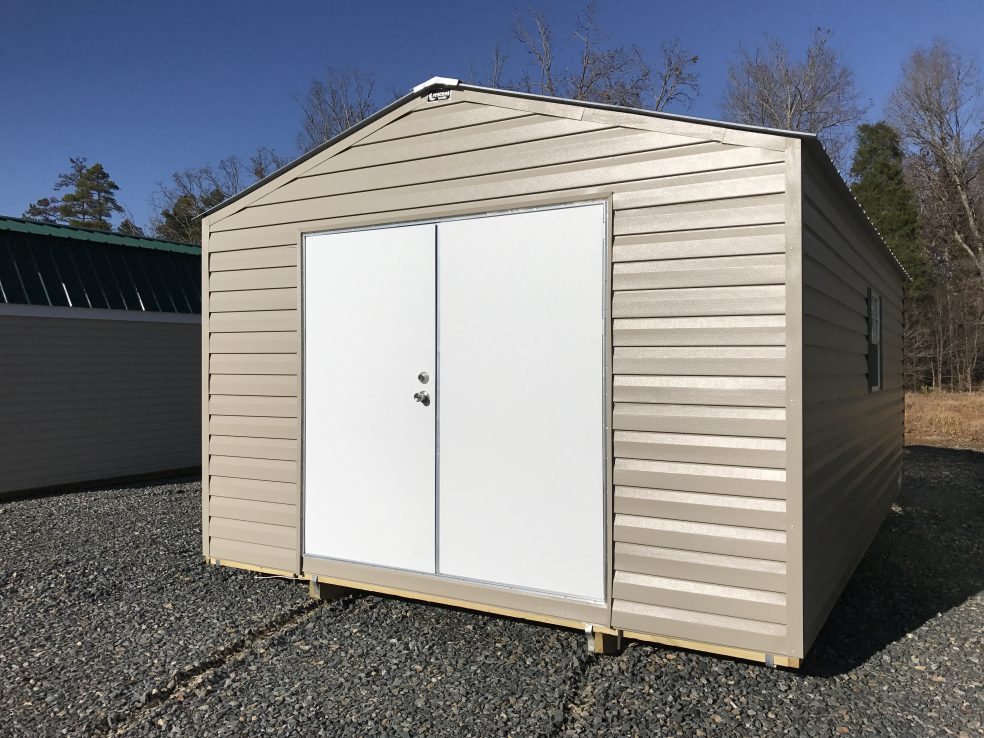
Choosing the best location for a storage shed involves more than simply finding an open space in your yard. The ideal placement provides convenient access, proper drainage, compliance with local regulations, and long-term protection against weather-related damage.
Proper planning ensures your shed remains functional, durable, and easy to maintain for years to come.
Where Should I Place A Storage Shed On My Property?
The ideal shed location balances accessibility, functionality, and long-term protection.
Prioritize Convenience
Think about how often you will access the shed and what you plan to store inside.
If the shed houses lawn equipment, gardening supplies, or tools used regularly, placing it closer to the home may be beneficial.
For seasonal storage, a location farther from daily activity areas may work well.
Consider Traffic Flow
A shed should not interfere with driveways, walkways, gates, or vehicle access.
Maintain enough clearance around the structure to allow comfortable movement and future maintenance.
Think About Future Use
Many property owners focus only on current needs. However, future landscaping projects, patios, pools, additions, or fencing may affect accessibility.
One of the most valuable shed placement tips is to evaluate how your property may change over time before committing to a location.
Preserve Visual Appeal
While functionality comes first, appearance also matters.
A thoughtfully positioned shed can complement the property’s layout without becoming a visual distraction. Choosing from various storage buildings can also help match your property’s overall design.
How Far Should A Shed Be From The House Or Fence?
The proper distance depends on local regulations, property size, and practical maintenance needs.
Follow Setback Requirements
Most municipalities establish setback rules that determine how close structures can be placed to property lines, fences, roads, and neighboring lots.
These requirements vary significantly between locations.
Leave Room For Maintenance
Even when regulations allow close placement, additional clearance is beneficial.
Adequate space makes it easier to:
- Clean exterior walls
- Perform repairs
- Inspect foundations
- Manage vegetation
- Access drainage systems
Consider Roof Overhangs
Shed roofs often extend beyond wall lines.
When measuring distances, account for roof overhangs rather than only the building footprint.
Protect Nearby Structures
Leaving reasonable separation between the shed and the home can reduce moisture concerns and improve airflow around both structures.
Property owners planning the best shed location in Monroe, NC should verify local setback requirements before finalizing placement.
Does Sunlight Or Shade Matter For Shed Placement?
Yes. Sunlight and shade can affect the condition of the shed, stored contents, and surrounding property.
Benefits Of Sunlight
Moderate sunlight helps keep the structure dry.
Sun exposure can reduce:
- Moisture buildup
- Mold growth
- Mildew development
- Surface dampness
A dry shed generally requires less maintenance over time.
Advantages Of Partial Shade
In warmer climates, partial shade may help limit interior heat buildup.
This can be useful when storing:
- Paint
- Lawn chemicals
- Certain tools
- Temperature-sensitive materials
Avoid Excessive Shade
Dense shade can create persistent moisture conditions.
Areas beneath large trees may experience:
- Increased humidity
- Falling branches
- Accumulated debris
- Moss growth
Find A Balance
Many successful storage shed setup projects place the structure in a location that receives a combination of sunlight and partial shade throughout the day.
What Type Of Ground Is Best For Installing A Shed?
Ground conditions play a major role in shed stability and long-term performance.
Level Ground Is Essential
The ideal location should be relatively level before foundation work begins.
Uneven ground increases the risk of:
- Structural movement
- Foundation issues
- Door misalignment
- Premature wear
Stable Soil Performs Best
Compacted soil with good load-bearing capacity provides a strong foundation base.
Soft or unstable soil may require additional preparation before installation.
Avoid Low-Lying Areas
Low spots often collect water during heavy rainfall.
Placing a shed in these locations can create ongoing moisture problems and foundation concerns.
Foundation Preparation Matters
Regardless of soil conditions, a properly prepared foundation improves durability.
Common foundation options include:
- Gravel pads
- Concrete slabs
- Concrete blocks
- Pier foundations
For more detailed guidance, review this resource on shed foundations.
Accessibility Remains Important
Even if a site has ideal soil conditions, difficult access may reduce usability.
The best location combines stability with practical day-to-day convenience.
Are There Zoning Rules For Shed Placement?
Yes. Many communities regulate shed placement through zoning ordinances, building codes, and permitting requirements.
Common Zoning Considerations
Local governments often regulate:
- Property setbacks
- Structure height
- Maximum square footage
- Utility easements
- Flood zones
These rules vary by jurisdiction.
Permit Requirements
Some sheds require permits while others may qualify as exempt structures.
Permit requirements often depend on:
- Building size
- Foundation type
- Utility connections
- Intended use
Homeowners Association Restrictions
Neighborhood associations may impose additional rules regarding:
- Location
- Color
- Appearance
- Height
- Visibility from the street
Verify Regulations Early
Checking requirements before installation helps avoid delays, redesigns, and potential fines.
One of the most important shed placement tips is to confirm all zoning and permit requirements before selecting a final location.
How Can Drainage Affect Shed Location?
Drainage is one of the most important factors when choosing where to place a shed.
Water Is A Long-Term Threat
Even high-quality sheds can experience problems when exposed to standing water.
Poor drainage increases the risk of:
- Foundation movement
- Rot
- Mold
- Corrosion
- Structural deterioration
Observe Water Patterns
Before installation, evaluate how water moves across the property during rainfall.
Pay attention to:
- Downspout discharge areas
- Low spots
- Erosion patterns
- Water accumulation zones
Elevation Improves Protection
Sheds perform best when located on slightly elevated ground that promotes runoff.
This reduces moisture exposure around the foundation.
Use Drainage Improvements When Needed
Some sites require additional drainage solutions such as:
- Grading adjustments
- French drains
- Swales
- Gravel installations
- Downspout extensions
Long-Term Benefits Of Proper Drainage
Good drainage protects both the structure and its contents.
For homeowners selecting the best shed location in Monroe, NC, evaluating drainage conditions before installation can prevent many future maintenance and repair issues.
Key Takeaways
Choosing the right shed location involves more than available space. Accessibility, setbacks, sunlight, soil stability, zoning requirements, and drainage all affect long-term performance. Following proven shed placement tips helps prevent moisture issues, improves usability, protects your investment, and supports a successful storage shed setup for years of reliable service.
Choose the Right Spot from Day One
A great shed starts with a great location. At Better Built Structures, we help property owners evaluate access, drainage, site conditions, and long-term functionality before installation begins.
Whether you’re planning a new utility storage shed or searching for the best shed location in Monroe, NC, we provide practical guidance backed by experience. We believe proper planning prevents expensive mistakes and helps every shed perform as intended.
Our team focuses on durable solutions, smart site selection, and quality workmanship so your investment remains useful, protected, and easy to access for many years to come.