Table of Contents
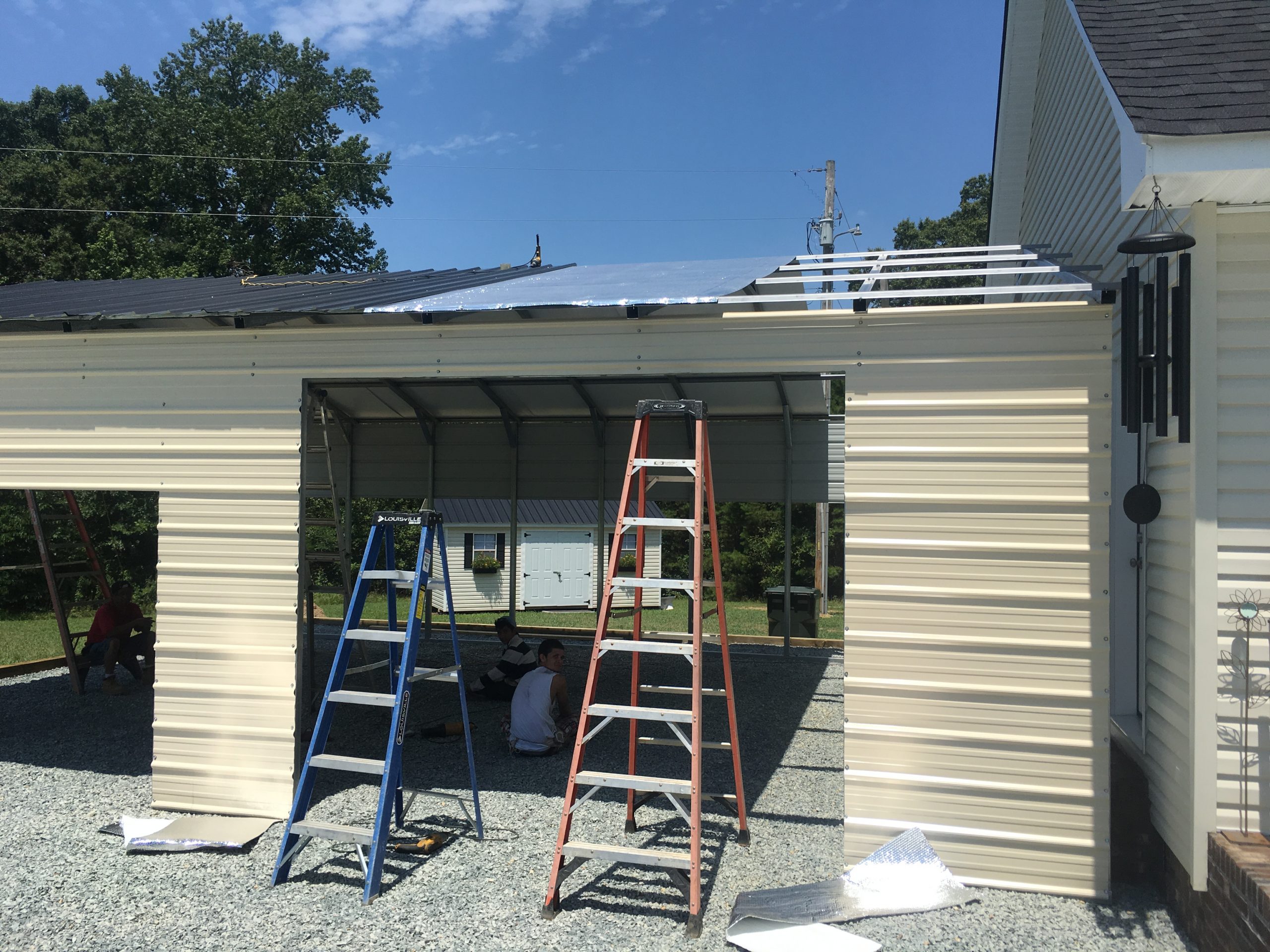
The right metal building size depends on how you plan to use the structure, how much storage or workspace you need, and whether you expect future expansion. A building that feels large enough today may become too small quickly if equipment, vehicles, or business needs grow over time.
Many property owners underestimate space requirements during the planning stage. Using a practical metal building size guide helps you avoid overcrowding, inefficient layouts, and expensive modifications later. Understanding the key factors behind choosing building dimensions in Monroe, NC can help you invest in a structure that fits both your property and long-term goals.
How Do I Determine the Right Size Metal Building for My Needs?
The best way to determine building size is to evaluate how the structure will be used now and in the future.
The intended purpose affects nearly every design decision.
Start With the Primary Function
Metal buildings are commonly used for:
- Garages
- Workshops
- Equipment storage
- RV shelters
- Agricultural use
- Commercial operations
A simple storage shed requires far less space than a fully equipped workshop. For larger vehicle, storage, or work-related needs, garages and shops may offer a more practical layout.
Measure Vehicles and Equipment Carefully
Always calculate the dimensions of the largest items you plan to store.
This may include:
- Trucks
- Boats
- Tractors
- RVs
- Trailers
- Machinery
Leave enough clearance for doors, movement, and safe access. If your building will be used primarily for RV or vehicle protection, carports and RV covers may also be worth considering.
Consider Workspace Needs
Many people focus only on storage while overlooking usable working space.
If you plan to:
- Repair equipment
- Use tools
- Build projects
- Add shelving
- Install workbenches
You will likely need more square footage than expected.
Plan for Future Growth
One of the most common building mistakes is sizing too small.
Future needs may include:
- Additional vehicles
- New equipment
- Expanded business use
- Extra storage
Planning ahead often saves money long-term.
What Is the Most Common Size for Residential Metal Buildings?
Common residential metal building sizes vary depending on use, but many homeowners choose structures between 24×30 and 40×60 feet.
The ideal dimensions depend on storage needs and property layout.
Smaller Buildings for Basic Storage
Buildings around:
- 20×20
- 24×24
- 24×30
are often used for:
- Single-vehicle storage
- Lawn equipment
- Small workshops
- Household storage
These sizes work well for basic residential use. For smaller property storage needs, a utility storage shed may provide a functional option.
Medium-Sized Buildings Offer More Flexibility
Many property owners choose:
- 30×40
- 30×50
- 40×40
because they provide more flexibility for:
- Multiple vehicles
- Workshop areas
- Recreational equipment
- Utility storage
These layouts often balance functionality and affordability.
Larger Buildings Support Specialized Use
Buildings measuring:
- 40×60
- 50×80
- Larger custom dimensions
may support:
- RV storage
- Commercial equipment
- Agricultural operations
- Large workshops
Larger structures also allow room for future expansion inside the building itself. Property owners comparing options can explore broader tubular steel buildings for durable metal structure solutions.
Ceiling Height Matters Too
Building height is just as important as width and length.
Taller buildings may be needed for:
- Vehicle lifts
- RVs
- Enclosed trailers
- Agricultural machinery
Adequate clearance improves long-term usability.
How Much Space Should I Allow for Storage or Workshop Use?
Storage and workshop layouts should include enough room for movement, organization, and future equipment additions.
Crowded layouts often reduce efficiency and accessibility.
Storage Areas Need Walking Space
A building filled wall-to-wall with equipment becomes difficult to use.
Leave room for:
- Walking paths
- Shelving access
- Equipment movement
- Safe loading and unloading
Functional layouts improve convenience and safety.
Workshops Require Open Work Areas
Workshop buildings usually need additional clearance around tools and workstations.
This may include space for:
- Tool cabinets
- Workbenches
- Air compressors
- Welding equipment
- Material storage
Open floor space improves workflow and productivity.
Vehicle Access Should Remain Comfortable
Allow enough room to:
- Open vehicle doors fully
- Walk around parked equipment
- Maneuver trailers safely
Tight layouts often become frustrating over time.
Storage Needs Usually Grow
Many property owners accumulate additional equipment after the building is installed.
Extra room helps accommodate future storage without overcrowding the structure.
Can I Customize the Size of a Metal Building Later?
Some metal buildings can be expanded later, but future modifications are easier when expansion is planned from the beginning.
Not every structure can be enlarged easily after installation.
Expansion Depends on Building Design
Some buildings are designed with future additions in mind.
Expandable designs may allow:
- Length extensions
- Additional bays
- Lean-to additions
- Sidewall expansions
Early planning improves expansion flexibility.
Site Layout Affects Future Growth
Available property space matters significantly.
Future expansion may be limited by:
- Property lines
- Septic systems
- Driveways
- Drainage areas
- Easements
Site planning should account for potential additions before initial construction begins.
Structural Changes Can Increase Costs
Retrofitting an existing building may require:
- Foundation modifications
- Roof adjustments
- Framing changes
- Permit updates
These changes can become more expensive than planning for future size needs upfront.
Oversizing Slightly May Save Money Later
Many property owners benefit from choosing a slightly larger structure initially.
Adding a few extra feet during original metal building installation is often more affordable than expanding later.
What Factors Affect the Size of a Metal Building?
Several factors influence building dimensions, including intended use, local codes, equipment size, property limitations, and budget.
Every project has unique requirements.
Intended Use Is the Biggest Factor
The building’s purpose determines:
- Floor space
- Height requirements
- Door sizing
- Interior layout
Commercial and agricultural buildings often require larger dimensions than residential storage structures.
Property Size and Zoning Restrictions Matter
Local zoning laws may limit:
- Building footprint
- Setback distances
- Building height
- Placement locations
Available land directly affects sizing options.
Weather Conditions Influence Design
Regional climate conditions may affect structural planning.
Snow loads, wind exposure, and storm risks can influence:
- Roof pitch
- Structural reinforcements
- Building orientation
Proper engineering improves long-term durability.
Budget Affects Both Size and Features
Larger buildings naturally increase:
- Material costs
- Foundation expenses
- Labor requirements
- Permit fees
Balancing size and functionality helps avoid unnecessary expenses.
Interior Layout Impacts Usable Space
The same square footage may feel very different depending on the layout.
Door placement, support spacing, and storage organization all affect functionality.
Do I Need Permits Based on Building Size?
Yes. Many jurisdictions require permits for metal buildings based on size, use, and structural specifications.
Permit requirements vary by location.
Smaller Buildings May Still Require Permits
Some homeowners assume permits only apply to large structures.
However, local regulations may require permits for:
- Permanent structures
- Utility-connected buildings
- Buildings exceeding certain square footage
Requirements vary between counties and municipalities.
Permit Reviews Often Include Structural Compliance
Permitting departments may evaluate:
- Wind ratings
- Foundation design
- Setback compliance
- Drainage considerations
- Utility access
Proper permitting helps ensure safe construction.
Unpermitted Structures May Create Future Problems
Skipping permits can create issues during:
- Property sales
- Insurance claims
- Inspections
- Financing approvals
Correcting violations later may become expensive.
Professional Guidance Simplifies the Process
Experienced contractors often help homeowners navigate local permit requirements more efficiently.
This helps reduce delays and compliance problems during metal building installation.
Final Thoughts
Choosing the right metal building size depends on storage needs, workspace requirements, future growth plans, property limitations, and budget considerations.
A well-planned structure improves functionality, efficiency, and long-term value while reducing the need for costly modifications later. Using a practical metal building size guide helps property owners avoid undersized layouts that quickly become overcrowded.
Factors like vehicle access, equipment dimensions, ceiling height, permits, and future expansion all influence successful planning. Professional guidance during metal building installation can help ensure the structure fits both current needs and long-term property goals.
The Right Building Starts With the Right Plan
At Better Built Structures, we believe choosing the right building size is one of the most important parts of any successful project. Our team works closely with property owners to understand storage needs, workspace goals, vehicle requirements, and future expansion plans before recommending building dimensions.
Whether you need a workshop, garage, agricultural structure, or customized storage solution, we focus on practical layouts and long-term functionality. If you are researching a reliable metal building size guide or exploring choosing building dimensions in Monroe, NC, contact Better Built Structures to make confident and informed decisions.